Author: admin
-
علامات التمدد أثناء الحمل: هل يمكن منعها كليًا؟
تُعد علامات التمدد من التغيرات الجسدية الطبيعية والشائعة أثناء الحمل، وغالبًا ما تظهر مع نمو الرحم وقد تؤثر قليلًا على الشكل الجمالي للبطن، ولكنها تظل مؤشرًا جيدًا على نمو الجنين. سنتناول في هذا المقال كل ما يخص علامات التمدد أثناء الحمل وأسبابها وتوقيت ظهورها وأبرز العوامل المؤثرة، وطرق الوقاية والعلاج، مع توضيح بعض المفاهيم الخاطئة…
-
اختبار تحمل الجلوكوز.. خطوة وقائية لحماية الأم والجنين
تخضع الحامل للعديد من الفحوصات الروتينية على مدار رحلة الحمل؛ للتأكد من سلامة الجنين وسير الحمل بشكلٍ طبيعي، ويعد اختبار تحمل الجلوكوز من أهم الفحوصات الموصى بها في الأسبوع الرابع والعشرين، وهو اختبار وقائي للكشف المبكر عن سكري الحمل، الذي يعد أحد أكثر المضاعفات الصحية شيوعًا في فترة الحمل. قد لا تشعر الحامل بأية أعراض…
-
كيف يتطور جنينك في الأسبوع الـ 25؟
يمثل الأسبوع الخامس والعشرون من الحمل مرحلة مميزة في تطور الجنين، إذ تبدأ حواسه في العمل بدقة أكبر، ويصبح قادرًا على الاستجابة للأصوات والضوء، كما تنضج رئتاه تدريجيًا استعدادًا للتنفس بعد الولادة. كذلك يمر جلد الجنين وأعضائه الأخرى بالكثير من التطورات استعدادًا لمرحلة اكتمال النمو، وهو ما سنوضحه في السطور القادمة. كيف يبدو الجنين في…
-
الأرق.. حلول عملية لنوم هادئ
يعد الأرق من أكثر التحديات شيوعًا لدى الحوامل، خاصةً مع اقتراب نهاية الثلث الثاني من الحمل، إذ لا يتعلق فقط بعدم الرغبة في النوم، بل يرجع إلى عوامل نفسية وجسدية تؤثر في جودة النوم. ولأننا نؤمن بأهمية النوم في هذه المرحلة ودوره في دعم صحتك وسلامة حملك، نوضح لك كل الأسباب الممكنة للأرق وتأثيره، مع…
-
الأسبوع 27 من الحمل: ماذا ينتظرك وكيف تستعدين بذكاء؟
يُعد الأسبوع السابع والعشرون من الحمل مرحلة انتقالية مهمة بين نهاية الثلث الثاني من الحمل وما شهده من تطورات في نمو أعضاء الجنين وحواسه، وبين بداية الثلث الثالث واستعداد الجنين تدريجيًا للولادة والخروج إلى الحياة. سنستعرض معًا في هذا المقال ما يحدث لكِ ولجنينك خلال هذا الأسبوع، والتغيرات التي يمكنك توقعها، وكيف تستعدين جيدًا للمرحلة…
-
ضيق التنفس في الحمل: الأسباب وطرق التعامل الآمنة
مع دخولكِ الثلث الأخير من الحمل، يزداد حجم الرحم بوتيرة سريعة ويضغط على الأعضاء الداخلية، خاصةً الحجاب الحاجز والرئتين، مما قد يسبب ضيقًا بالصدر ويجعل التنفس أكثر صعوبة، ورغم شيوعه بين الحوامل، إلا أنه يظل من الضروري التمييز ما إذا كان ضيق التنفس طبيعيًا أم يتطلب انتباهًا طبيًا. سنستعرض في هذا المقال أسباب ضيق التنفس…
-
براكستون هيكس.. هل هذه ولادة أم آلام كاذبة؟
تبدأ كثير من الحوامل مع تقدم الحمل، خاصةً بعد الأسبوع الثلاثين، في الشعور بتقلصات خفيفة في منطقة البطن، وغالبًا ما تثير هذه التقلصات القلق والتساؤلات حول طبيعتها: هل هي علامة على اقتراب الولادة؟ أم مجرد انقباضات عابرة لا تستدعي القلق؟ وتعرف هذه التقلصات باسم تقلصات براكستون هيكس. عادةً ما تكون هذه التقلصات مؤقتة، ويجب التمييز…
-
تشوش الرؤية أثناء الحمل: عرض مؤقت أم علامة خطر؟
هل تجدين صعوبة في رؤية التفاصيل الصغيرة أو أصبحت عيناك أكثر حساسة للضوء؟ تشوش الرؤية من الأعراض المزعجة التي تصيب بعض الحوامل وتسبب قلقًا بالغًا، خاصةً عند ظهورها في الأسابيع الأولى من الثلث الثالث، وقد يكون هذا التشوش مؤقتًا ولا يستدعي القلق، ويمكن أن يكون علامة على مشكلة صحية تستدعي تدخلًا عاجلًا مثل تسمم الحمل.…
-
ما أفضل وضعية للنوم في الأسابيع الأخيرة من الحمل؟
تحتاج الحامل إلى قسطٍ كافٍ من النوم والراحة للحفاظ على صحتها وسلامة الجنين، لكن مع تقدم الحمل وبلوغ الثلث الأخير، يصبح النوم تحديًا حقيقيًا بسبب تفاقم الأعراض الجسدية التي تؤثر بشكل واضح على الراحة وجودة النوم، ولتجاوز هذه المرحلة بسلام، يجب اختيار الوضعيات الأنسب للنوم واستخدام الوسائل التي تخفف آلام الظهر وتحسن من جودة النوم…
-
القلق من الولادة.. متى يكون طبيعيًا ومتى يحتاج المساعدة؟
تزداد مشاعر القلق والتوتر لدى كثير من الأمهات مع اقتراب الولادة، وهذا أمر طبيعي تمامًا، فعند التفكير في آلام المخاض ومراحله قد تشعرين بالخوف، لكن استمرار هذا القلق وعدم التعامل معه بشكل صحيح يمكن أن يؤثر على صحتك النفسية والجسدية، بل وعلى سلامة جنينك أيضًا. سنتحدث في هذا المقال عن أسباب القلق في هذه المرحلة…
-
حكة البطن أثناء الحمل: طبيعية أم خطيرة؟
تمر بشرتكِ خلال الحمل بالعديد من التغيرات، فمع تمدد البطن ونمو الجنين، قد تشعرين بحكة مزعجة في هذه المنطقة، وغالبًا ما تكون هذه الحكة طبيعية نتيجة تمدد الجلد أو تغير الهرمونات، لكنها أحيانًا قد تُشير إلى مشكلة تحتاج متابعة طبية. سنوضح لكِ في هذا المقال أسباب الحكة في الحمل والفرق بين الحكة العادية وتلك التي…
-
علامات نزول الجنين إلى الحوض
مع اقتراب موعد الولادة، يتحرك رأس الجنين تدريجيًا إلى أسفل الحوض استعدادًا للخروج، ويختلف توقيت هذا النزول من امرأة لأخرى، ويصاحبه عادةً العديد من العلامات والتغيرات الجسدية، التي تكون واضحة لدى بعض النساء مقارنةً بالبعض الآخر. نتعرف معًا في هذا المقال على موعد نزول الجنين وأبرز علاماته، ومتى يجب مراجعة الطبيب، بالإضافة إلى الطرق الطبيعية…
-
علامات اقتراب الولادة: هل أنتِ مستعدة؟
هل تشعرين أن جسدك يهمس لكِ باقتراب اللحظة المنتظرة؟ مع اقتراب موعد الولادة، يبدأ جسدكِ في التحدث إليكِ بلغة خاصة، ليهيئك نفسيًا وجسديًا لاستقبال صغيرك، فقد تلاحظين رسائل خفية مثل تغير في حركة الجنين أو تقلصات تأتي وتختفي أو إحساسًا بالخفة بعد نزوله إلى أسفل الحوض، وقد يكون بعض هذه الإشارات طبيعية وبسيطة ولا يدعو…
-
كيف تتغلبين على خوفك من الولادة؟
ما هو شعوركِ مع اقتراب اللحظة الحاسمة؟ تختلط مشاعر الفرح والترقب بمشاعر الخوف والقلق مع اقتراب موعد الولادة، فمن الطبيعي أن تشعري بالتوتر مع اقتراب هذه اللحظة، لكن احذري تحول هذا القلق إلى خوف مفرط يؤثر على حياتك اليوميةز سنساعدك في هذا المقال على فهم أسباب الخوف من الولادة وأنواعه، وكيفية التغلب عليه بخطوات عملية…
-
هل ستكون ولادتك طبيعية أم قيصرية؟
تتساءل كل حامل “هل سألد ولادة طبيعية أم سأحتاج إلى ولادة قيصرية؟” وهذا تساؤل طبيعي، تتوقف إجابته على عوامل طبية وشخصية تحدد نوع الولادة، خاصةً أن اختيار نوع الولادة لا يؤثر فقط على الولادة نفسها، بل أيضًا على مرحلة التعافي وما بعدها. سنتعرف في هذا المقال على الفروق بين الولادة الطبيعية والقيصرية وكيف يُقرر الطبيب…
-
كيف تخفين حملك في العمل بذكاء؟
يعد الحمل مرحلة استثنائية يختلط فيها الفرح بقدوم ضيف جديد مع تحديات جسدية ونفسية، وقد يصبح الأمر أكثر تعقيدًا إذا تزامن الحمل مع التزام مهني، فكيف تواصلين عملك بكفاءة في بيئة لا تعلم بعد أنك حامل؟ قد تكون هذه الفترة حساسة للغاية، إذ ترغب الكثير من النساء تأجيل الإفصاح عن الحمل حتى يستقر الحمل ويمر…
-
الأيام الذهبية لحدوث الحمل… اكتشفي فرصتك الآن
هل تحلمين أن تصبحي أمًا قريبًا؟ هل تخططين للحمل ولا تعرفين ما الأيام الأنسب لزيادة فرصك في الإنجاب؟ عندما تتخذ المرأة قرار الحمل تبدأ في طرح الكثير من الأسئلة: ما أيام التبويض؟ كيف أحسبها؟ ما العلامات التي تدل على اقترابها؟ وكيف يمكنني أن أصبح أمًّا في أقرب وقت ممكن؟ كل هذه الأسئلة وأكثر ستجدين إجاباتها…
-
تحفيز المخاض طبيعيًا: متى يصبح ضروريًا؟
تزداد رغبة بعض الحوامل في تسريع الولادة في أسابيع الحمل الأخيرة، خاصةً مع الانتظار الطويل وشعورهن بالثقل، مما يدفعهن للجوء إلى تحفيز المخاض الطبيعي من خلال المشي أو تناول بعض الأطعمة أو الأعشاب أو تجربة طرق أخرى، ولكن هل هذا آمنًا؟ سنتعرف معًا في السطور القادمة على طرق تحفيز المخاض طبيعيًا وكيف تعمل، ومتى يكون…
-
الطلق الصناعي: إجراء آمن أم مخاطرة محتملة؟
تشعر كثير من الأمهات بالقلق والترقب عند تأخر الولادة عن موعدها، وتبدأن بالبحث عن حلول لتحفيز الولادة وتسريعها، وقد يوصي الطبيب في هذه الحالات باستخدام الطلق الصناعي لتحفيز الانقباضات وبدء المخاض، بعد تقييم دقيق لحالة الحامل وعدة عوامل أخرى. نستعرض معًا في هذا المقال كل ما تحتاجين معرفته عن الطلق الصناعي وأنواعه ومدى أمانه ومتى…
-
Everyday Habits Could Harm Your Baby This Week
From the first moment of pregnancy, your baby begins a delicate and sensitive stage of development that can be affected by even the smallest daily habits you may not notice. So, when you become aware of every small detail during this journey, you can go through it safely. In this article, we will talk about…
-
Your Baby’s Heart: Development & First Beat
Every mom dreams of the moment when she will hear her baby’s heartbeat for the first time. At that moment, she makes sure there is a life beating inside her. Heart development is a delicate and complex process that begins with the formation of a cluster of cells and continues until the fully functioning, beating…
-
Pregnancy Anxiety: What’s Normal and When to Be Concerned?
Although the pregnancy journey is filled with excitement and hope, slight abdominal flutters, missing a test or doctor’s appointment, or exposure to excessive effort can initiate the mother’s anxiety and leave her with many questions. Is this worry normal or a sign of something wrong? In this article, we will discuss the causes of anxiety…
-
How to Know Your Pregnancy Is on Track Without an Ultrasound
The mother’s primary concern is the safety of her pregnancy and fetus, especially if the first ultrasound is postponed for any reason. Despite the importance of ultrasound monitoring fetal growth, many other indicators and bodily signs can reassure you that your pregnancy is progressing normally. However, these signs can’t replace check-ups or ultrasounds; they reassure…
-
Why Week 11 Matters for Early Genetic Testing
During the first trimester, many vital changes such as fetal development, placental changes, and others begin. Early genetic tests are an important tool for detecting genetic or chromosomal risks before any symptoms appear, providing greater opportunities for planning and treatment. In this article, we’ll review the importance of these tests, specifically in week 11, what…
-
End of the First Trimester: What It Means for You and Your Baby
During pregnancy, both the mother and the fetus undergo many changes and challenges. By the end of the first trimester, the mother has passed a large milestone, and her body starts to adjust and move toward a more stable stage. So, what happens during this period? What changes will you feel? How does your body…
-
Smart Tips to Manage Increased Appetite in the 13th Week of Pregnancy
By the beginning of the 13th week of pregnancy, you will be officially in the second trimester and begin to feel more comfortable and balanced after a phase of nausea and exhaustion. This stage is often accompanied by a noticeable increase in appetite and a frequent desire to eat. This is a natural and caused…
-
Folic Acid After the First Trimester.. A Necessity or Option?
Folic acid, also known as Vitamin B9, is one of the most important nutrients recommended by all international medical organizations during the pre-pregnancy period and throughout pregnancy. Although many people associate it with preventing fetal abnormalities only, it has more broader importance that includes the mother’s health and the baby’s development throughout pregnancy. Many pregnant…
-
Maternity Clothes: How Can You Combine Comfort and Style?
As you enter the 15th week, the signs of pregnancy become more visible, and your usual clothes may become tighter and less comfortable. So, it may be crucial to dress elegantly and comfortably while adjusting to changes in your body. What physical changes occur in the 15th week of pregnancy? When should you start wearing…
-
From Flutters to Kicks: Your Guide to Fetal Movement
The pregnancy journey is full of mixed emotions, ranging from anxiety to joy and excitement. Feeling the baby’s first movements is one of the most anticipated moments for every mother. Women describe these sensations in different ways: some feel it as a flutter of a butterfly, others as tiny bubbles rising in the abdomen. Sometimes,…
-
Pelvic and Lower Back Pain: Causes and How to Relief
Pregnant women undergo marked physical changes and various symptoms each week of pregnancy. Some symptoms disappear while others increase. By the 17th week, pelvic and lower back pain may begin to appear, which is normal and common as the baby grows, but it may require medical follow-up in some cases. In this article, we will…
-
Differences Between Abdominal and Transvaginal Ultrasound
Using ultrasound throughout pregnancy is crucial to monitor the fetus’s health and development and to ensure its safety. It is divided into two types: abdominal and vaginal ultrasound. Each has different applications, advantages, and efficacy, depending on the stage of pregnancy and the goal of the test. In this article, learn about the differences between…
-
Round Ligament Pain: Causes and How to Relieve It
Pregnant women face numerous symptoms and physical changes throughout gestation. Round ligament pain is one of the most common symptoms in the 2nd trimester, causing pressure and significant discomfort, especially when felt for the first time. What’s round ligament pain? What are the causes and symptoms? How can you relieve it safely and effectively, and…
-
Mid‑Pregnancy: What Have You Achieved So Far?
Week twenty marks a vital and significant corner in your pregnancy journey. It represents the midpoint of your journey. After passing several physical and emotional changes over the past weeks, it’s time to reflect on your achievements and what you have accomplished so far. In this article, we will review your achievements during the past…
-
Stretch Marks During Pregnancy: Can They Be Completely Prevented?
Stretch marks are among the common and natural physical changes during gestation. They frequently appear as the uterus grows and may slightly affect the aesthetic appearance of the tummy, but they remain a reassuring sign of normal fetal growth. In this article, we will cover everything about stretch marks during gestation, including their causes, timing…
-
Glucose Tolerance Test: Step to Protect Yourself and Your Baby
During pregnancy, women undergo several routine check-ups to insure the baby’s health and that the gestation is progressing typically. One of the most important recommended tests at week 24 is the glucose tolerance test, a preventative screening used for the early discovery of gestational diabetes, which is considered one of the most common health complications…
-
When Does the Baby Bump Show Clearly?
The appearance of the baby bump is one of the most emotional moments in a pregnancy journey. At this moment, the mother feels that she is really close to her baby and is holding him behind her soft belly membrane. This stage differs from one woman to another, but it most commonly occurs between the…
-
Everything You Want to Know About Childbirth Education Classes
Have you ever heard about childbirth education classes? Do you realize how important they are and when to start them? Imagine going into the delivery room knowing what will be! Despite the enormous technological advancements and the growing focus on health education, numerous women have never heard of these classes or understood their significance. Others…
-
Pregnancy Myths vs Facts
You may feel confused between the truth and myths, but when it comes to your health, you must verify the facts before believing or following any claims. If you are pregnant or planning to be, you must differentiate between the scientific facts and myths. In this article, we will discuss the most common myths about…
-
What Is The Best Time to Try for a Baby?
Do you long to become a mother soon? Are you planning to get pregnant but don’t know the best days to increase your chances? When a woman decides to become pregnant, she often has many questions: What are the ovulation days? How do I calculate them? What are the signs that ovulation is approaching? How…
-
Foods and Habits That Help Implantation
Following a healthy and balanced lifestyle is not just a choice; it is essential for successful conception and the continuation of pregnancy. Good daily habits and a balanced diet can support the implantation and stability of the fertilized egg within the uterine wall throughout the entire pregnancy journey. Let’s explore the habits and foods that…
-
Pregnancy or PMS? How to Tell the Difference
Women can differentiate between general symptoms and pregnancy symptoms after understanding the early signs of pregnancy. Also, before taking a pregnancy test, she can monitor each sign her body sends after her period stops and may wonder: Am I pregnant, or is it just my imagination? Let’s recognize the early signs and symptoms of pregnancy,…
-
What to Do After a Positive Pregnancy Test?
Are you feeling excited? Sure, getting your first glance at the two little pregnancy lines on a test strip is an exciting moment. You will begin to think about what your next steps are going to be to have a healthy and safe beginning for you and your baby. What’s next after home pregnancy test results? After…
-
Smart Ways to Keep Your Pregnancy Private at Work
Pregnancy is a mixed stage of happiness and excitement, which has physical and emotional challenges. It becomes more complicated when pregnancy comes with work responsibilities, especially when you need to keep the pregnancy private without telling anyone. The first trimester is often a sensitive period, so many women prefer delaying the announcement until the pregnancy…
-
How Your Baby Develops in Week 25
The 25th week of pregnancy signals an important period in fetal growth. At this stage, the senses of your baby develop and become efficient in responding to sound and light. The lungs of the baby continue to develop. On the other hand, the skin and organs of the baby also experience prominent developments as they…
-
Week 27 of Pregnancy: What Changes Lie Ahead and How to Prepare
Week 27 of pregnancy is a critical transitional period that lies between the end of the second trimester, during which your baby’s organs and senses grew and developed, and the third trimester, where your baby is gradually being prepared for birth. In this article, we will examine exactly what happens to you and your baby…
-
Braxton Hicks: Labor or False Pains?
As pregnancy progresses into the 30th week, many women experience mild abdominal contractions, which may confuse their nature: are they a sign that labor is approaching, or simply temporary contractions that do not require concern, known as Braxton Hicks contractions? In general, these contractions are temporary, and it is important to note the differences between…
-
Insomnia: Practical Solutions for Restful Sleep
Insomnia is one of the most common issues that women may encounter when they are pregnant, particularly towards the end of the second trimester. In most cases, insomnia is neither a lack nor a desire to sleep, but is psychologically and physically induced. As we understand the significance of sleep during this period and its…
-
Shortness of Breath: Understanding Causes and Safe Management
In the third trimester, the uterus grows rapidly and puts more pressure on internal organs, especially the diaphragm and lungs, causing a feeling of tightness in the chest and difficulty breathing. Although it is generally common in pregnancy, you need to be aware of how to distinguish between the normal and what is not. In…
-
Blurred Vision in Pregnancy: A Temporary Symptom or a Warning Sign?
Are you having trouble noticing small details, or are your eyes becoming more sensitive to light? Blurred vision is an annoying symptom that affects some pregnant women and can be distressing, especially if it happens during the first weeks of the 3rd trimester. The blurred vision may be only temporary and normal in some cases;…
-
Best Sleeping Positions in Late Pregnancy
Pregnant women usually require adequate sleep and rest to stay healthy and ensure the health and well-being of the baby. However, as the pregnancy progresses to the third trimester, it can be difficult for a pregnant woman to enjoy comfortable sleep due to the discomforting symptoms, which greatly impact rest and sleep. To pass this…
-
Birth Anxiety: What’s Normal and When to Seek Help
As the delivery draws near, many expectant moms experience fear of giving birth, which is completely normal. However, unmanaged fear of delivery might affect your mental, physical, or even your child’s health. In this article, we will explore the causes of this anxiety, its impact on mothers and their babies, methods to distinguish between normal…
-
Pregnancy Belly Itching: Normal or Concerning?
Your skin undergoes many changes during pregnancy. As your belly stretches and your baby grows, you may feel itching in this area. This itching is often normal as a result of skin stretching or hormonal changes, but it may require medical attention in some cases. In this article, identify the causes of itching during pregnancy,…
-
How Does It Feel When Your Baby Moves into the Pelvis?
Does the baby descending into the pelvis mean that labor is near? The baby’s head moves gradually lower into the pelvis to prepare for delivery, which means that labor is very close. The descent varies from one woman to another, and it is usually accompanied by several signs and physical changes, which may be clearer…
-
Will Your Delivery Be Vaginal or Cesarean?
Pregnant women usually wonder, “Will I have a natural labor or a cesarean?” In fact, the type of delivery depends on various medical and personal factors. Choosing the type of labor affects not only the delivery itself, but also the recovery period. Join us to explore the differences between vaginal and cesarean delivery, how the…
-
Signs of Labor Approaching: Are You Ready?
Do you feel your body whispering that the long-awaited moment is near? As your due date approaches, your body communicates in its own language, preparing you mentally and physically to welcome your little one. You may notice subtle signs such as changes in fetal movement, intermittent contractions, or a feeling of lightness after the baby…
-
Induced Labor: A Safe Procedure or a Potential Risk?
Many mothers feel anxious when labor is delayed beyond the expected due date. They begin searching for ways to stimulate and speed up childbirth. In such cases, a doctor may recommend medical labor induction to stimulate contractions and initiate labor, after a careful evaluation of the mother’s condition and several other factors. In this article,…
-
How to Overcome Your Fear of Labor
As the due date gets closer, you will have mixed feelings of joy, anticipation, fear and anxiety. It is completely normal to feel nervous, but avoid turning anxiety into excessive fear that affects your daily life. In this article, we will help you understand the causes and types of fear of childbirth and how to…
-
هل استقر رأسه لأسفل أم ما زال يتقلب؟
لم يتوقف صغيرك عن الحركة والدوران منذ شعرتِ بأولى ركلاته، فقد تهدأ حركته قليلًا أثناء نومه، لكنها سرعان ما تعود لتطمئن قلبك وتشعركِ بوجوده، ومع دخولك الثلث الأخير، تبدأ وضعيات الجنين في الاستقرار تدريجيًا حتى يصل إلى وضع الولادة المثالي، حيث يكون رأسه لأسفل وساقاه لأعلى. لكن متى يحدث ذلك بالتحديد؟ وهل من الطبيعي ألا…
-
Baby’s Position Now: Head Down or Still Adjusting?
Your baby hasn’t stopped moving and turning since you first felt his first kicks. Although their motions might slow down a little when they sleep, they soon return to reassure you about their presence. As you move to the third phase of pregnancy, your baby’s position begins to stabilize gradually, till reaching the best position…
-
Natural Labor Induction: Is It Necessary?
In the final weeks of pregnancy, some women wish to speed up labor, due to waiting long and feeling physically heavy. This often leads them to try natural labor induction methods such as walking, eating certain foods or herbs, or other techniques. But is this safe? In the following lines, we will explore natural ways…
-

Preventive Medicine: A Roadmap Shaping Our Health
Preventive Medicine: A Roadmap Shaping Our Health Today, everyone dreams of a healthy future free from disease. With the rise of conditions that were once rare, many wonder if such a goal is still possible and the answer is yes, thanks to preventive medicine. Let’s explore what preventive medicine is, why it is so important,…
-

Understanding BMI and Why It’s More Than a Number
Understanding BMI and Why It’s More Than a Number Every culture has its own view of body weight. Some see extra weight as a sign of good health, while others consider thinness the ideal. But appearance alone is not enough to measure health. A more reliable way to understand weight is through scientific tools such…
-

How to Build a Healthier Routine with Just 15 Minutes a Day?
How to Build a Healthier Routine with Just 15 Minutes a Day? Life keeps getting busier, and many people have lost sight of their most valuable asset, their health. As responsibilities pile up, chronic illnesses have become more common. We know your schedule is full, but can you give us just a few minutes to…
-

How Regular Exercise Reduces the Risk of Diabetes and Heart Disease?
How Regular Exercise Reduces the Risk of Diabetes and Heart Disease? When someone asked a group of young people how many times they exercise each week, the answers were surprising. Some could not even remember the last time they worked out. Why is exercise often neglected? Is life really that busy, or do many simply…
-
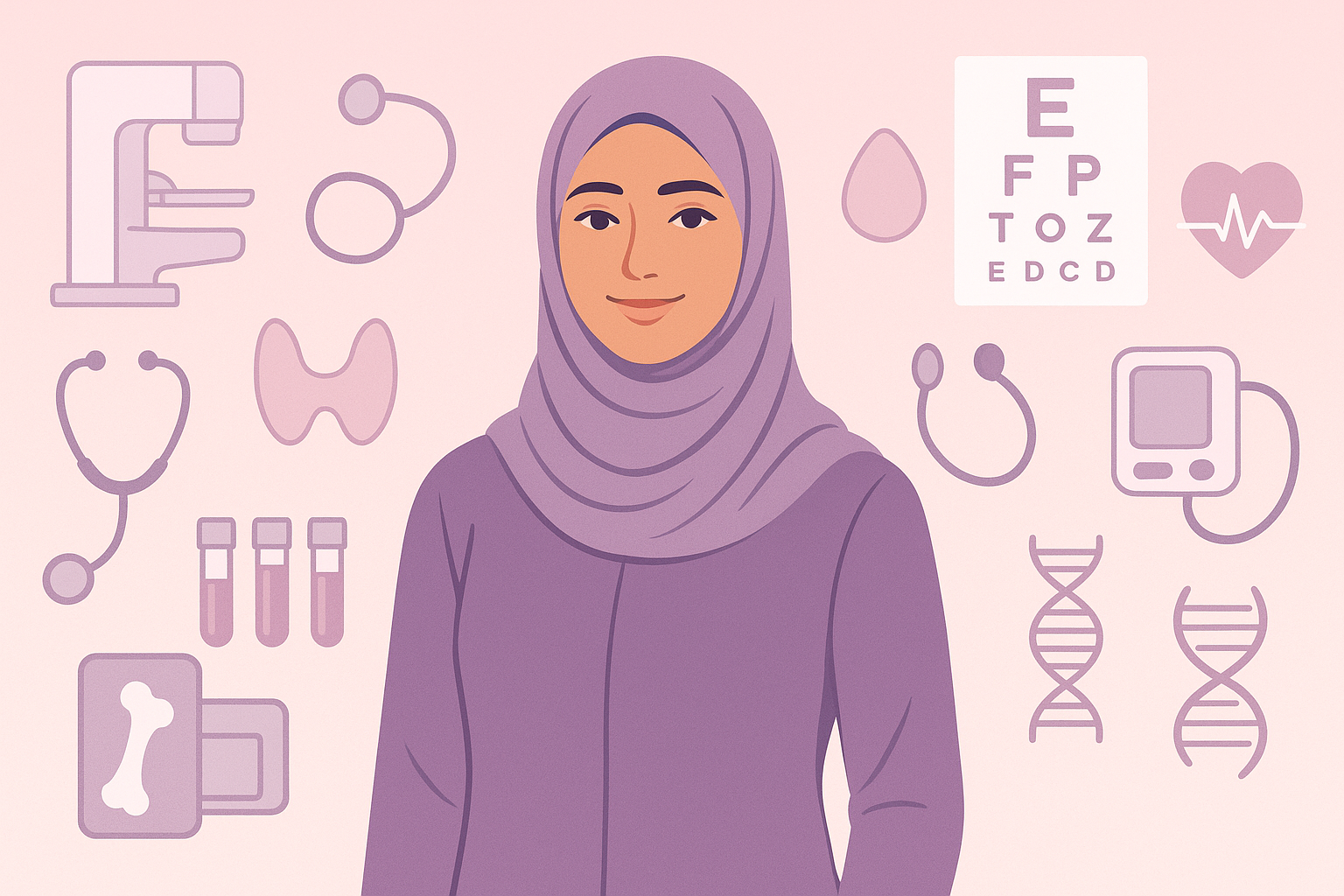
Essential Screenings Every Woman Should Know
Essential Screenings Every Woman Should Know We all know that routine checkups are now a cornerstone of healthy living. They help prevent disease, detect illnesses before they progress, and allow for early treatment. Women, in particular, may have a greater need for regular screenings due to their unique biology and health considerations. In this article,…
-

10 Habits Lower The Risk of Chronic Diseases
10 Habits Lower The Risk of Chronic Diseases Prevention and taking the right health measures are the smartest choice you can make to avoid the pain of treatment and the complications of chronic diseases, which can affect your quality of life, disrupt daily routines, and limit your ability to enjoy your hobbies and living normally.…
-
How do I treat vomiting in children at home?
The main goal is to prevent dehydration, and management varies according to the child’s age: Start with bland foods (such as bananas, rice, applesauce, toast) after vomiting stops for several hours. Do not give milk if the child has diarrhea. Consult a doctor if vomiting persists or if the child does not improve.
-
How do I know if my child has acid reflux?
Acid reflux in children may be indicated by symptoms such as:
-
What is celiac disease and how does it affect children?
Celiac disease is an autoimmune condition triggered by gluten (found in wheat, barley, rye) that damages the intestinal lining and affects absorption of nutrients. Symptoms vary with age and may include: Screening for celiac disease is recommended for children with persistent symptoms, especially if there is a family history of the condition.
-
What is GERD in children?
GERD is the reflux of stomach acid into the esophagus, causing heartburn, chest pain, feeding difficulties, frequent vomiting, cough, and difficulty breathing. GERD is common and often resolves by the age of one, but if symptoms persist or worsen, treatment may be required.
-
What is appendicitis?
Appendicitis is an inflammation of a small pouch on the lower right side of the abdomen near the intestines, causing severe pain that starts around the navel and moves to the lower right abdomen. The child may feel pain when touching the abdomen or moving, lose appetite, vomit, and may have diarrhea and fever. Appendicitis…
-
What are the causes of abdominal pain in children?
Abdominal pain in children can have many causes. It may be mild, such as constipation, gas, indigestion, or overeating, and anxiety. Sometimes it may result from more serious causes such as appendicitis, gastroenteritis, food allergies, or bowel obstruction. You must consult a doctor immediately if the pain is sudden or severe, or if it is…
-
Can I eat sushi during pregnancy?
Yes, you can eat sushi during pregnancy if it is well-cooked and made with low-mercury fish such as cooked salmon, shrimp, crab, or vegetables, and avoid raw sushi completely during pregnancy to prevent harmful bacterial infections.
-
How often should I eat while breastfeeding?
It is recommended to eat 3 main meals per day plus 2–3 healthy snacks. Listen to your hunger cues, as nutritional needs vary between mothers depending on milk production and the baby’s requirements. Prepare light, nutritious snacks near your feeding area, drink water regularly, and focus on eating protein, vegetables, fruits, and whole grains.
-
Do spicy foods affect breastfeeding?
Spicy foods are safe during breastfeeding but may change the flavor of breast milk, which can help the baby accept a wider variety of tastes later. However, if the baby becomes fussy or develops diarrhea after the mother eats spicy food, it is recommended to limit its consumption.
-
What are the best dietary sources of iron?
To improve iron absorption, it is recommended to consume foods rich in vitamin C, like orange juice or strawberries.
-
Is taking supplements during breastfeeding necessary?
Not all mothers need vitamin supplements during breastfeeding if their diet is balanced, but supplements may be beneficial in cases of dietary restrictions, vegan diets, or malnutrition. It is recommended to consult a doctor to determine if you need iron or vitamin D supplements.
-
What foods are recommended during pregnancy?
During pregnancy, the mother’s body needs a balanced diet that supports fetal growth and maintains her health. Key recommended foods include:
-
How does screen time affect a child’s development?
Spending excessive time in front of screens negatively affects a child’s development as follows: For prevention, it is recommended to:
-
What toys help with early learning?
Educational toys should match the child’s age and developmental stage. Examples:
-
How do I know if my child has delayed development?
Developmental delays in some skills may indicate a problem in growth. Warning signs include: It is recommended to consult a doctor to assess the child’s growth and development if you notice these signs.
-
When do children start crawling?
Most children start crawling between 6–12 months. Some may scoot on their stomachs, while others skip crawling and start pulling to stand. Before crawling, a child needs to master head control, sitting independently, rolling over, and supporting themselves on hands and knees.
-
How can I encourage my child to develop language skills?
You can support your child’s language development step by step according to age: From birth to 2 years: From 2 to 4 years: From 4 to 6 years:
-
When do children start walking?
Most children walk independently between 9–18 months, with the average between 12–15 months. If the child has not started walking by 18 months, it is recommended to consult a doctor to check for any delays. In the beginning, walking is unsteady, with feet wide apart for balance, but improves gradually over time.
-
What are the first signs of speech development in children?
A child begins communicating before saying their first word, and their skills gradually develop:
-
How do I prepare my child for a new sibling?
The arrival of a new baby is a big change for the older child and may cause jealousy or anxiety. To prepare them:
-
How do I know if my child is being bullied?
Bullying can be a serious problem. Watch for these warning signs:
-
How do I help my child overcome separation anxiety?
Separation anxiety is normal in children, especially between 8 months and 3 years. You can help your child adjust by:
-
How do I deal with my child lying?
Lying is a common problem among children and often has emotional or environmental causes. It should be handled calmly and without anger or threats. Here are steps to address lying:
-
How do I deal with sibling rivalry?
Sibling rivalry is natural and needs thoughtful management to help children build healthy relationships. Here are effective ways to handle it:
-
What common mistakes should be avoided in raising children?
Here are some common parenting mistakes that may negatively impact children’s emotional and behavioral development:
-
How can I help my child develop independence?
You can help your child develop independence and support them through these steps:
-
What is the difference between punishment and discipline?
Discipline is teaching the child how to behave properly and responsibly to build a strong and independent personality, not just correcting behavior when mistakes occur. Discipline helps the child understand the consequences of their actions, take healthy decisions without constant supervision, and promotes self-control instead of fear. Punishment focuses on past mistakes and may use…
-
How can I teach my baby to sleep independently?
To teach your baby to self-soothe and rely on their natural ability to fall a sleep, follow these steps:
-
Why does my baby wake up at night and cry?
Night waking and crying are common and vary depending on the child’s age and needs. The main reasons include: