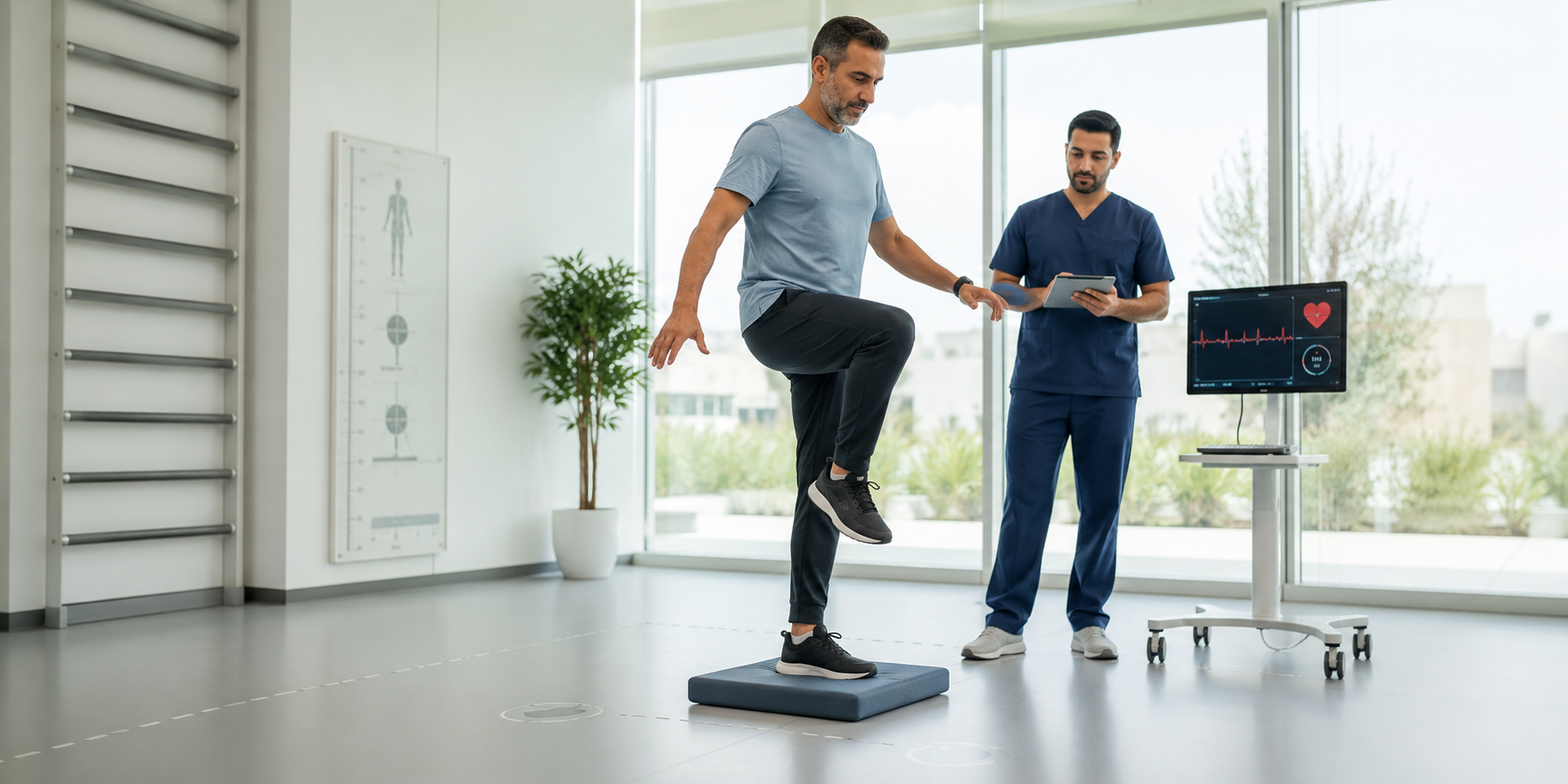
Why Weak Leg Muscles May Affect More Than Just Movement?
When people think about weak leg muscles, they often associate them with aging, fatigue, or lack of physical activity. However, leg weakness is not always just a muscular issue. In many cases, it may reflect broader changes affecting the body, including cardiovascular health, circulation, balance, and even the ability to perform daily activities safely.
Leg muscles are not simply responsible for walking. They are among the largest muscle groups in the body and play a major role in movement, stability, and blood circulation. As their strength declines, multiple aspects of health may gradually be affected simultaneously.
Why Are Leg Muscles Important for Overall Health?
Leg muscles are essential for many everyday activities, including:
- Walking.
- Climbing stairs.
- Standing upright.
- Maintaining balance during movement.
Because these muscles are large and highly active, they are often considered an important indicator of overall physical fitness.
Their role goes beyond movement alone. During physical activity, the leg muscles help move blood from the lower body back to the heart through the muscle pump mechanism.
When these muscles become weak or underused for long periods, circulation efficiency may gradually decline, along with stability and mobility, especially with aging or reduced physical activity.
What Is the Connection Between Leg Strength and Heart Health?
Leg muscle strength is closely linked to cardiovascular health. Regular activities that engage the leg muscles help improve circulation and support cardiovascular fitness.
When leg muscles are activated consistently, blood and oxygen flow more efficiently throughout the body, allowing the heart to function more effectively during movement.
In contrast, inactivity and muscle weakness may contribute to reduced cardiovascular fitness over time.
Some studies also suggest that lower muscle strength or reduced muscle mass may be associated with a higher risk of heart disease, particularly when combined with physical inactivity or excess body weight.
Weak Leg Muscles and Balance Problems
Balance depends on the coordination of multiple systems within the body, including muscles, nerves, joints, and the nervous system. Leg muscles are one of the most important components of this system.
When these muscles weaken, the body becomes less capable of maintaining stability while standing, walking, or changing direction. This can increase the risk of stumbling or falls, especially in older adults.
The effects are not limited to balance alone. Walking may become less stable and slower, while the body may react less effectively to sudden changes in movement or balance.
For this reason, strengthening exercises for the lower body and balance training are considered essential for improving stability and reducing fall risk.
Could Weak Legs Be a Sign of an Underlying Health Problem?
Weak leg muscles are not always caused by inactivity or fatigue alone. In some cases, these symptoms may be linked to an underlying health issue that needs medical evaluation.
For example:
- Circulatory disorders may reduce blood flow to the muscles, causing heaviness or fatigue during movement.
- Certain neurological conditions may affect the nerve signals responsible for muscle control and balance.
- Vitamin deficiencies may contribute to muscle weakness and reduced physical performance.
- Some chronic or muscular diseases may affect strength and endurance over time.
In certain situations, leg weakness may also occur alongside symptoms such as shortness of breath or severe fatigue, which may require evaluation of heart and circulatory function.
How Does Physical Inactivity Affect Both Muscles and the Heart?
Prolonged sitting and lack of movement are among the most important factors that gradually affect both leg muscles and heart health.
When physical activity decreases:
- Muscles lose strength and flexibility.
- The body becomes less efficient at using oxygen and energy.
- Cardiovascular fitness may decline.
- Weight gain and high blood pressure may become more likely.
- Daily activities may feel more exhausting over time.
This highlights the strong connection between muscular fitness and cardiovascular health. The more active and stronger the muscles become, the more positively circulation and overall health are supported.
Can Leg Strength and Balance Be Improved?
Leg strength and balance can often improve significantly through regular physical activity and a more active lifestyle. They include:
- Resistance training.
- Walking regularly.
- Balance exercises.
- Flexibility and mobility exercises.
Good nutrition also plays an important role in supporting muscle health, particularly by providing adequate protein and essential nutrients.
However, medical evaluation may be important if weakness appears suddenly, continues to worsen, or occurs alongside symptoms such as numbness, dizziness, or breathing difficulties.
Final Insight
Leg muscles do far more than support walking. They contribute to heart health, circulation, balance, physical stability, and overall quality of life.
Maintaining physical activity and strengthening these muscles not only improves movement but also supports long-term health throughout the body.
If you often feel weakness in your legs or get tired quickly while moving, you can book a consultation with iDoc doctors for the right check-up and advice.