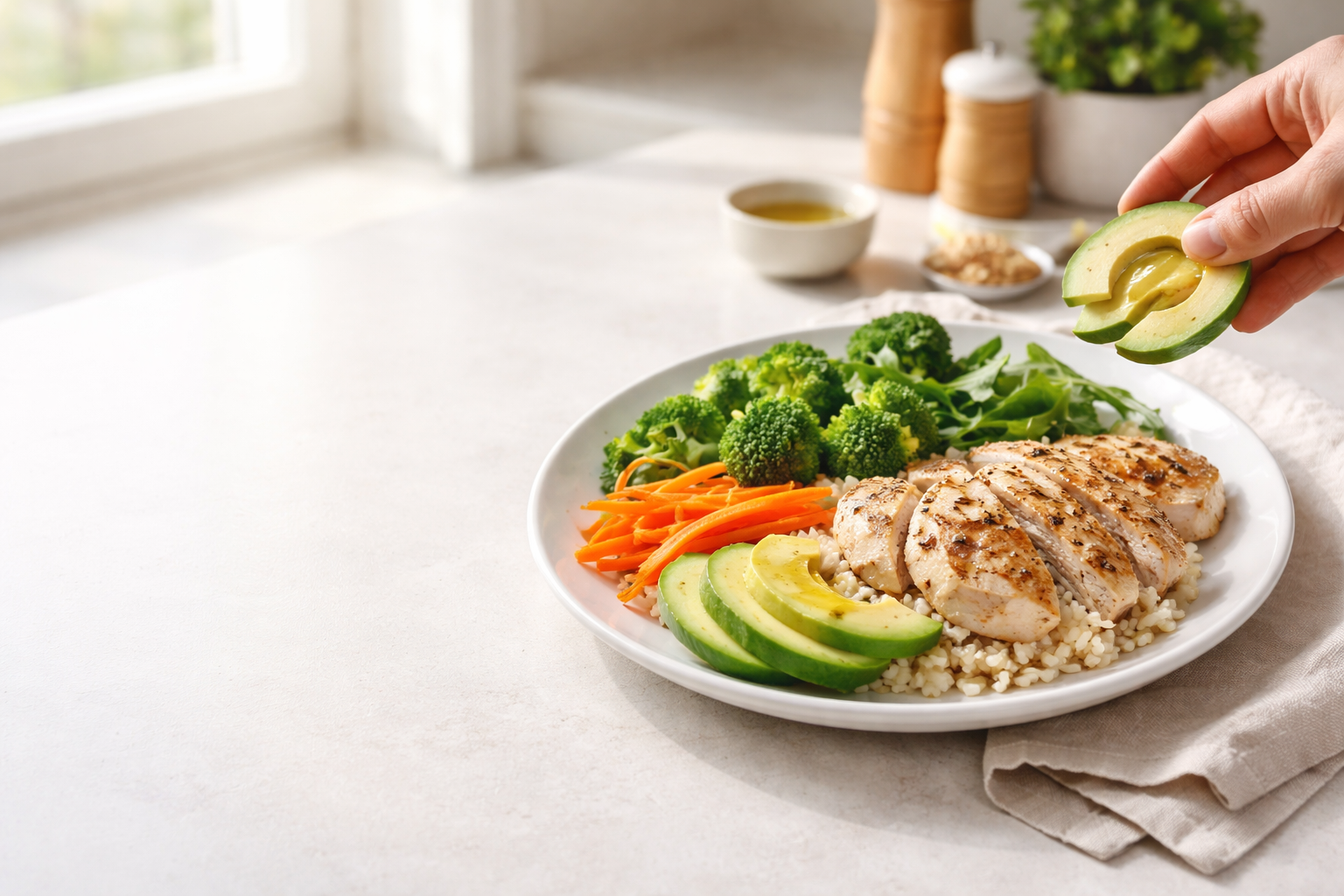
Smart Ways to Create a Balanced and Filling Meal
Many people try to eat healthier, yet they often feel hungry again soon after eating or experience a quick drop in energy. In most cases, the issue is not the amount of food, but the lack of balance between nutrients.
A balanced meal that includes carbohydrates, protein, healthy fats, and fiber in the right proportions helps you stay full for longer, supports stable energy levels, and contributes to better overall health.
In this article, you will learn how to build a balanced meal in a practical and simple way, the key nutrients that should be included in every meal, and tips to make healthy eating a sustainable daily habit without feeling deprived or overwhelmed.
How Meal Balance Affects Your Energy and Health?
A balanced meal provides the body with the essential nutrients it needs to perform daily functions efficiently, including energy production, cell repair, and immune support.
In contrast, an unbalanced diet can increase the risk of chronic diseases such as obesity, heart disease, and type 2 diabetes over time.
Balancing nutrients within a meal also helps stabilize blood sugar levels. When carbohydrates are eaten alongside protein and fat, glucose is absorbed more slowly into the bloodstream, reducing sharp energy crashes and preventing early hunger.
The Four Essential Components of a Healthy Plate
A balanced meal typically consists of several key elements, each playing a specific role in the body:
- Carbohydrates: The body’s primary source of energy. It is best to choose complex carbohydrates such as whole grains, fruits, and vegetables instead of refined carbs.
- Protein: Essential for building muscle, repairing tissues, and producing hormones. Protein also plays a major role in increasing satiety after meals.
- Healthy fats: Support brain function, help absorb fat-soluble vitamins, and regulate hormones. Healthy options consist of olive oil, nuts, and fish rich in omega-3s.
- Fiber: Supports digestive health and slows the absorption of sugar, helping you feel full for longer.
The Balanced Plate Method
One of the simplest ways to build a balanced meal is by using the plate division method. This approach divides your plate into clear sections:
- Half the plate: Vegetables and fruits.
- One quarter: Protein.
- One quarter: Whole grains or complex carbohydrates.
You can also add a small portion of healthy fats or dairy. This method helps you consume appropriate portions from each food group without needing to count calories precisely.
Why Some Meals Don’t Keep You Full
Many people feel hungry quickly after meals that are high in refined carbohydrates, such as white bread or sugary desserts. These foods cause a rapid spike in blood glucose followed by a sharp drop, which leads to fatigue and renewed hunger.
Similarly, meals that lack protein or fiber are digested quickly, providing only short-term satiety and increasing the likelihood of snacking later.
A Step-by-Step Guide to Preparing a Well-Balanced Meal
Creating a balanced meal is simple when you follow a few practical steps:
- Start with vegetables: Fill half your plate with a variety of vegetables to increase fiber and vitamin intake.
- Add a protein source: Choose options such as chicken, fish, eggs, or legumes. Consuming protein helps you feel full and preserves muscle strength.
- Go for complex carbs: Incorporate brown rice, oats, or whole-grain bread to keep your energy steady throughout the day.
- Include healthy fats: Add olive oil, avocado, or nuts to enhance satiety and improve the absorption of certain vitamins.
- Adjust portions based on your needs: Calorie requirements vary from person to person depending on age, activity level, and health goals.
Balanced Meal Ideas for Your Day
You can combine all essential nutrients into simple, satisfying meals that help maintain energy levels throughout the day:
- Breakfast: Eggs with whole-grain bread, avocado slices, and a piece of fruit.
- Lunch: Grilled chicken salad with mixed vegetables, olive oil, and quinoa or whole-grain bread.
- Dinner: Pan-seared fish served with brown rice and lightly steamed vegetables.
Common Mistakes That Make Meals Less Balanced
Even when trying to eat healthy, certain habits can make meals less effective nutritionally, such as:
- Relying only on carbohydrates, for example eating fruit alone for breakfast.
- Avoiding fats entirely, despite their importance for satiety and vitamin absorption.
- Eating large portions of healthy foods without considering portion size.
Remember that even healthy foods can contribute to weight gain if consumed in excessive amounts, so moderation remains important.
How Balanced Meals Help with Weight and Energy Control
Balanced meals help stabilize blood sugar levels, which reduces sudden hunger cravings and the desire for sugary foods. This leads to more consistent energy, better focus throughout the day, and improved ability to stay physically active and productive.
Final Thoughts
Building a balanced meal is one of the most practical ways to improve your dietary habits. Combining vegetables, protein, complex carbohydrates, and healthy fats in appropriate proportions helps you stay full, maintain steady energy, and support your overall health, without strict dieting or deprivation.
If you want to take the next step in improving your nutrition, get a free personalized diet and workout plan through the iDoc app, designed specifically to help you.