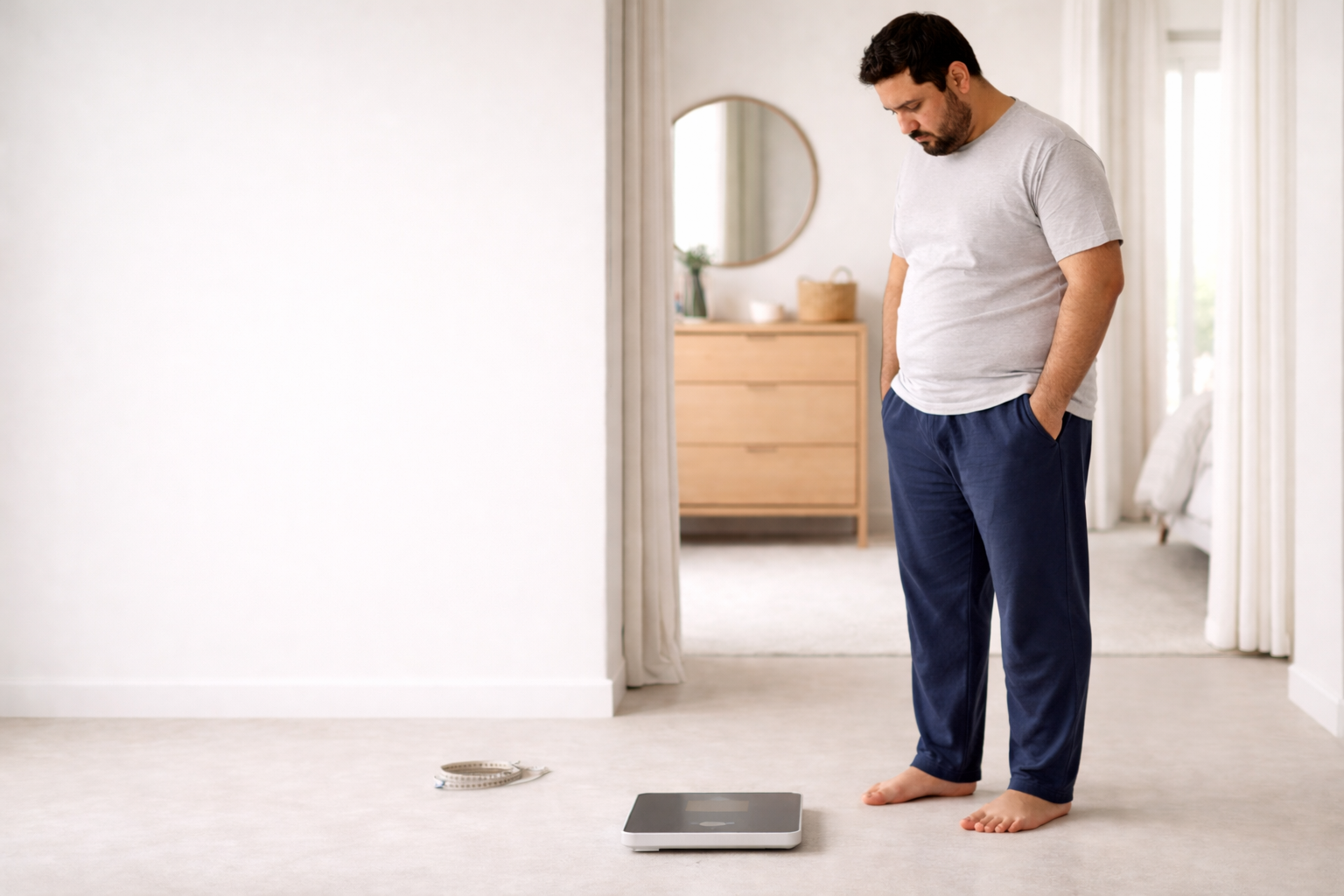
Not All Weight Loss Is Fat Loss: Here’s the Truth
Weight loss and fat loss are often used interchangeably, but they are not the same. Losing weight doesn’t refer to one specific thing; it can include losing fat, water, or even muscle mass. In contrast, fat loss specifically means reducing excess body fat while preserving muscle and other essential tissues as much as possible.
Many people rely on the number on the scale to track progress, but it doesn’t accurately reflect fat loss. You might lose several kilograms from water or muscle without actually reducing body fat. That’s why understanding body composition is essential for a more accurate evaluation of your progress.
What Is Weight Loss?
Weight loss refers to a decrease in total body weight, but it doesn’t always indicate an improvement in body composition. It may result from losing one or more of the following:
- Body fat.
- Muscle mass.
- Water.
- Stored glycogen in the liver and muscles.
- Certain minerals found in bones.
Many people notice a rapid drop in weight during the first few days of dieting. This doesn’t necessarily mean fat loss; it’s often due to the depletion of glycogen stores, which are bound to water. As glycogen levels decrease, the body loses water, leading to quick weight loss.
Calories also play a key role. When your body burns more calories than it consumes, weight loss occurs.
How Does the Body Lose Fat?
When you consume more calories than your body needs, the excess energy is stored in fat cells. These cells act as energy reserves. When calorie intake decreases, the body starts using stored fat for energy. During fat loss, fat is broken down into carbon dioxide and water.
- Carbon dioxide is expelled through breathing.
- Water is eliminated through urine, sweat, and other processes.
This is why fat loss is more meaningful; it reduces excess fat while preserving muscle.
Why Body Composition Matters More Than Weight?
The body is made up of different components, typically divided into:
- Fat mass: total body fat.
- Lean mass: muscles, bones, organs, and body fluids.
A scale cannot distinguish between these components. Your weight might stay the same while you lose fat and gain muscle or vice versa.
Fat loss is not just about appearance. Even individuals with a normal weight may face health risks if their body fat percentage is high relative to muscle mass, including:
- High blood pressure.
- Diabetes.
- Heart disease.
How Water Retention Affects Your Weight?
Water makes up about 50–60% of total body weight, in addition to extra fluids known as water weight.
Sometimes, weight gain is simply due to fluid retention. For example, consuming high amounts of salt increases sodium levels, prompting the body to retain water to maintain balance, leading to a temporary increase in weight.
Can Fat Turn Into Muscle?
Fat loss usually happens gradually but leads to noticeable improvements in body shape and health. On the other hand, rapid weight loss may not reflect real health progress.
It’s important to understand that fat cannot turn into muscle, and muscle cannot turn into fat; they are completely different types of tissue.
- Muscle is made of proteins and amino acids that enable movement.
- Fat cells keep excess energy as triglycerides.
Why You Should Focus on Fat Loss, Not Just Weight?
Many diet programs emphasize rapid weight loss without considering whether the loss is from fat, water, or muscle. Body weight numbers don’t reflect the complete picture of health. A better goal is to reduce fat while preserving muscle. This can be achieved by:
- Following a balanced diet with adequate protein.
- Engaging in resistance training.
- Maintaining regular physical activity.
Fat loss helps reduce the risk of many health problems, while muscle loss can lead to:
- A reduced metabolic rate, while muscle tissue continues to burn calories even during rest.
- Fatigue and low energy.
- Reduced strength.
- Higher likelihood of regaining weight.
How to Know If You’re Losing Fat?
Several signs can indicate true fat loss:
- Reduced waist or hip circumference.
- Better-fitting clothes.
- More visible muscle definition.
- Improved physical performance.
Healthy Rate of Weekly Weight Loss
Experts recommend avoiding extreme diets that drastically cut calories. While they may lead to rapid weight loss, they often result in muscle loss and a slower metabolism. A safe and sustainable rate is 0.5 to 1 kg per week.
This helps ensure that most of the weight lost comes from fat rather than muscle or water.
Final Thoughts
Losing weight is different from reducing body fat. Weight loss reflects a reduction in total body weight, whether from fat, water, or muscle, while fat loss focuses on reducing stored fat while preserving lean mass. For lasting results and better health, focus on improving body composition through balanced nutrition and regular physical activity, not just the number on the scale.
If you’re ready to start your journey the right way, get your free personalized diet and workout plan through the iDoc app and achieve your goals safely and sustainably.