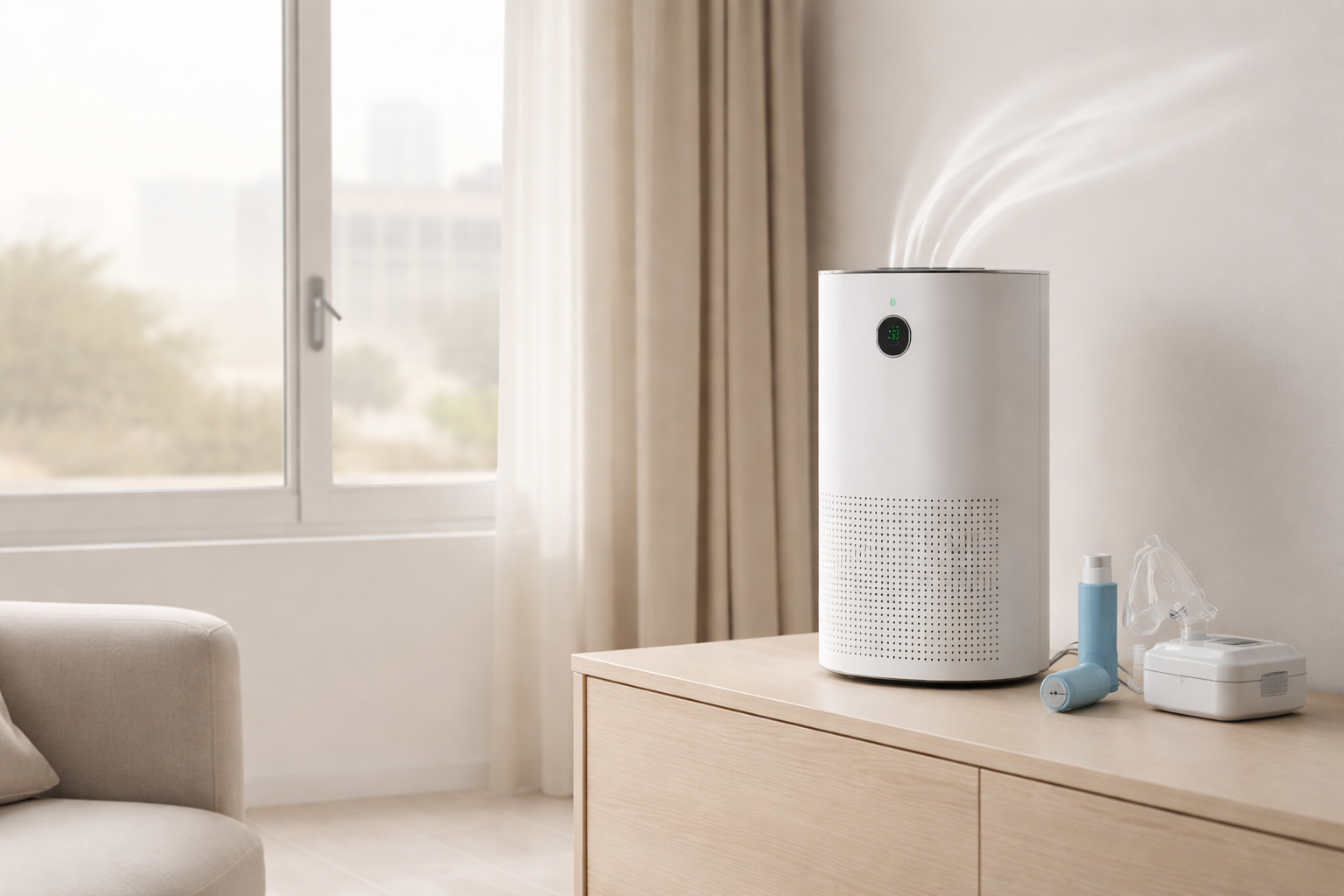
Invisible Triggers: How Smells and Pollution Affect Asthma
Have you ever experienced sudden shortness of breath after smelling a strong perfume or inhaling smoke? In a world filled with pollutants and chemical odors, from car exhaust to cleaning products and fragrances, your respiratory system is constantly exposed to triggers that may seem harmless but can have a significant impact on people with asthma.
For them, it’s not just a passing discomfort. It can quickly turn into a sudden asthma attack that affects their ability to breathe normally.
In this article, we explore how air pollution and strong smells affect people with asthma, why these triggers can be more dangerous than expected, and practical tips to reduce exposure and protect your respiratory health.
What Is Asthma?
Asthma is a chronic condition that causes inflammation and narrowing of the airways, making them highly sensitive. Even minor environmental changes can trigger symptoms such as coughing, wheezing, chest tightness, and difficulty breathing.
The issue is not just asthma itself, but the triggers that provoke its attacks, which vary from person to person.
Identifying these triggers is a crucial step in preventing symptom flare-ups. For many individuals, daily exposure to air pollution or strong odors can be enough to trigger symptoms within minutes.
Common Asthma Triggers
Asthma triggers are generally divided into two categories: allergens and irritants.
- Allergens: Dust mites, pollen, mold, and pet dander.
- Irritants: Include smoke, air pollutants, chemical substances, and strong scents.
While allergens activate the immune system, irritants directly affect the airways. This is why some people may tolerate dust but quickly react to strong perfumes or cleaning products.
In everyday life, these triggers often overlap, increasing the likelihood of symptoms.
How Air Pollution Affects Asthma?
Air pollution is one of the most harmful environmental factors for people with asthma. Major pollutants include fine particles, ozone, and nitrogen dioxide. These particles penetrate deep into the lungs, irritating the airway lining and increasing inflammation, which makes breathing more difficult.
With repeated exposure, the airways become even more sensitive, meaning even mild triggers can cause stronger reactions. Children and people who exercise outdoors are particularly at risk because they breathe faster, allowing pollutants to enter their lungs.
Why Strong Smells Trigger Asthma?
Strong odors such as perfumes, air fresheners, cleaning products, paints, and smoke are among the most common asthma triggers, even though many people underestimate their impact.
This becomes especially problematic in shared spaces like offices and public transportation, where avoiding these smells is difficult. Unlike allergens, these odors cause direct irritation to the airways. Certain chemicals can stimulate nerve endings in the bronchial tubes, leading to airway constriction and inflammation.
For example, a single spray of perfume in a closed room may be enough to trigger coughing or wheezing within minutes for someone with asthma.
Symptoms Triggered by Irritants
Asthma symptoms may appear quickly or develop gradually over hours after exposure to pollution or strong odors. These include:
- Shortness of breath.
- Wheezing.
- Chest tightness.
- Persistent coughing.
In some cases, symptoms may start mild and worsen over time. For instance, someone may feel slight discomfort while cleaning, then experience more severe breathing difficulty later in the evening.
Indoor vs. Outdoor Triggers: Which Is More Dangerous?
Both indoor and outdoor environments can pose risks, but in different ways:
- Outdoor triggers: Harder to control, but their impact can be reduced by monitoring air quality and taking precautions. These include vehicle emissions, industrial pollution, and smog.
- Indoor triggers: Often underestimated, but usually more concentrated in poorly ventilated spaces, making their effects stronger and more immediate. These include perfumes, incense, cleaning products, and tobacco smoke.
Improving ventilation and using fragrance-free products can significantly reduce indoor risks.
Practical Tips to Reduce Exposure
Managing asthma doesn’t mean avoiding life; it means making smarter choices to reduce exposure:
- Use fragrance-free products.
- Improve ventilation at home and work.
- Check daily air quality levels.
- Avoid areas with heavy traffic pollution.
- Wear a mask when necessary, especially in polluted environments.
For example, if strong cleaning products are used at your workplace, step away during cleaning or ensure proper ventilation.
When Does Asthma Become Dangerous?
Although asthma symptoms can often be managed, certain signs require medical attention:
- Frequent or worsening symptoms.
- Increased reliance on quick-relief inhalers.
- Difficulty performing daily activities.
- Sudden or severe asthma attacks.
In such cases, a doctor can adjust your treatment plan, prescribe preventive medications, and help you better identify your triggers.
Final Thoughts
Air pollution and strong odors are not just minor irritations; they are powerful triggers that can directly affect people with asthma, leading to rapid and sometimes severe symptoms. By understanding these triggers and reducing exposure, you can minimize asthma attacks and live more comfortably with better control over your condition.
If you have asthma or notice that strong odors affect your breathing, book an immediate or scheduled consultation through iDoc to receive an accurate assessment of your condition and practical advice to help you avoid triggers and maintain comfortable breathing.