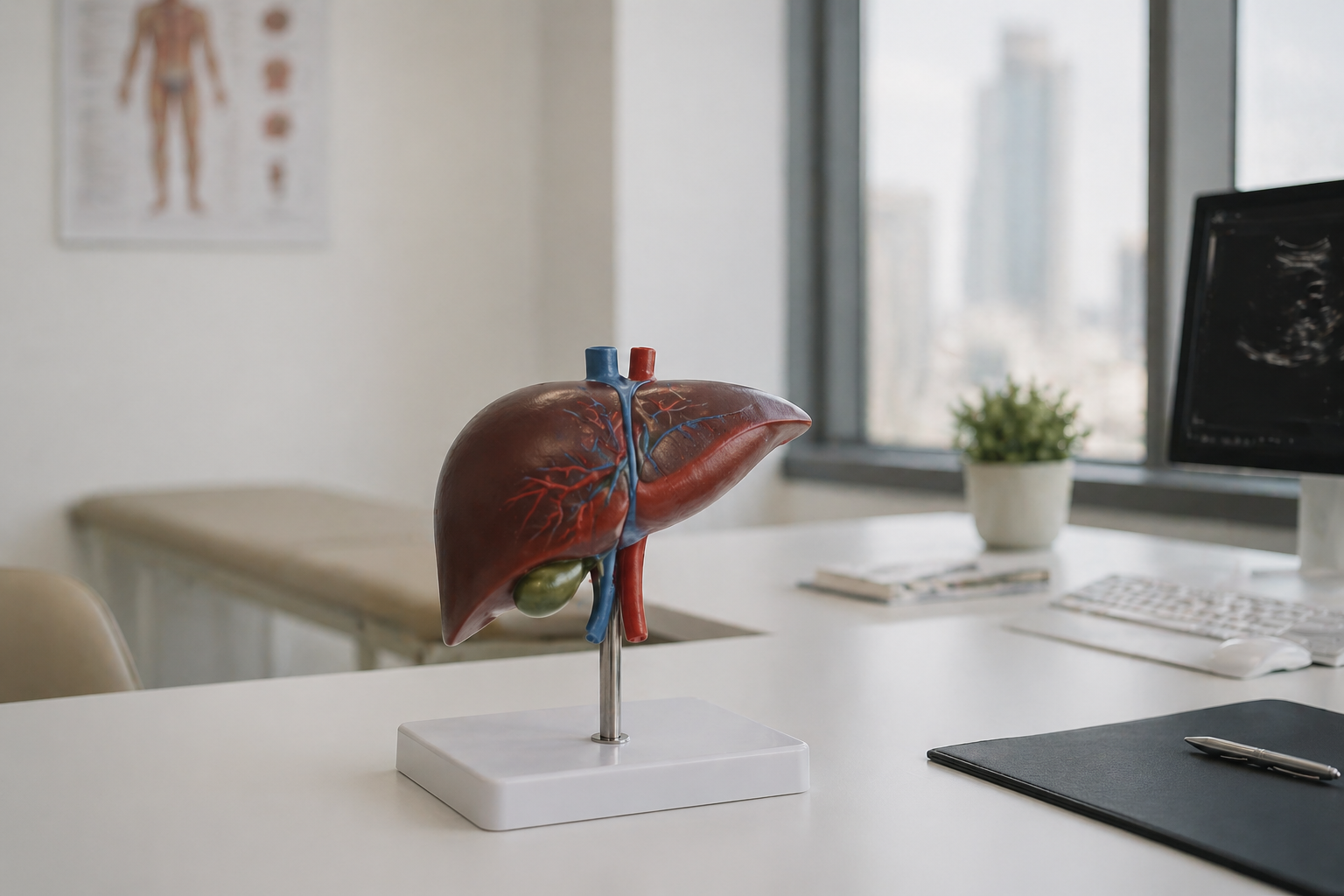
How to Tell If Your Liver Isn’t Functioning Well
The liver is one of the body’s key organs. It filters toxins from the blood, processes nutrients, produces bile, and regulates metabolism. Over time, however, these functions can become impaired, often gradually and without obvious symptoms in the early stages.
Liver problems tend to develop silently, making early detection more challenging. That’s why recognizing subtle warning signs can play a critical role in protecting your long-term health.
What Does Reduced Liver Function Mean?
Reduced liver efficiency doesn’t necessarily indicate liver failure. Instead, it refers to a gradual decline in the liver’s ability to perform its essential functions, such as detoxification and chemical regulation.
This decline often develops slowly due to factors like fat accumulation, inflammation, or metabolic disorders, frequently without noticeable symptoms at first.
Early Signs That Are Often Overlooked
In the early stages, symptoms are usually mild and nonspecific, making them easy to dismiss. Common early signs include:
- Persistent fatigue.
- General weakness.
- Loss of appetite.
- Mild, recurring nausea.
Fatigue, in particular, may reflect the liver’s reduced ability to convert nutrients into usable energy. However, because fatigue is so common, liver dysfunction is rarely considered as a primary cause early on.
Digestive and Metabolic Changes
As liver efficiency declines, subtle digestive changes may begin to appear, such as:
- Difficulty digesting fatty foods.
- Bloating after meals.
- Unexplained weight changes.
These symptoms are linked to the liver’s role in producing bile, which is essential for fat digestion. When this process is disrupted, digestion is directly affected.
More Noticeable Physical Signs
As the condition progresses, clearer physical signs may develop, including:
- Yellowing of the skin or eyes (Jaundice).
- Dark-colored urine.
- Pale or clay-colored stools.
- Unexplained skin itching.
Jaundice occurs due to the buildup of bilirubin in the blood and is often one of the more visible indicators of liver dysfunction.
Abdominal Symptoms and Fluid Retention
Impaired liver function can disrupt fluid balance in the body, leading to:
- Pain or a feeling of heaviness in the upper right abdomen.
- Abdominal swelling due to fluid accumulation.
- Swelling in the legs or ankles.
These symptoms are related to the liver’s role in protein production and fluid regulation.
Systemic Effects on the Body
The liver’s influence extends beyond digestion. As its function declines, broader effects may appear, such as:
- Easy bruising or bleeding.
- Hormonal imbalances.
- Mental confusion in advanced stages.
Cognitive changes may occur due to toxin buildup in the bloodstream when the liver can no longer filter effectively.
When Do Symptoms Become Concerning?
Symptoms may become more persistent and noticeable as the condition progresses. Warning signs that require attention include:
- Ongoing yellowing of the skin or eyes.
- Noticeable swelling in the body.
- Fatigue that interferes with daily activities.
- Difficulty concentrating or clear mental confusion.
These patterns may indicate the need for a comprehensive medical evaluation.
When Should You See a Doctor?
It is recommended to seek advice from a healthcare professional if you experience:
- Persistent, unexplained fatigue.
- Recurrent digestive disturbances.
- Yellowing of the skin or eyes.
- Unexplained swelling.
Early evaluation helps identify the underlying cause and reduces the risk of progression.
How Are Liver Problems Diagnosed?
Diagnosis typically involves a combination of approaches, including:
- Blood tests to assess liver function.
- Imaging studies, such as ultrasound.
- Evaluation of medical history and lifestyle factors.
No single test is sufficient on its own; an accurate diagnosis depends on a comprehensive assessment.
How to Protect Your Liver
Supporting liver health often comes down to consistent lifestyle habits, such as:
- Maintaining a healthy weight.
- Reducing sugar and unhealthy fat intake.
- Avoiding medications without medical supervision.
- Engaging in regular physical activity.
- Managing chronic conditions like Type 2 Diabetes.
Even small, consistent changes can have a significant positive impact on liver function.
Final Thoughts
Liver problems often begin with subtle, easily overlooked symptoms like fatigue or mild digestive issues. Over time, they may progress to more noticeable signs such as jaundice or swelling.
While these symptoms don’t always confirm a diagnosis, recognizing them early allows for timely intervention and better outcomes.
If you want to check on your liver health, consider booking a medical consultation through iDoc. You can review your test results with a doctor, receive an accurate assessment, and develop a personalized plan to protect your liver and overall health.