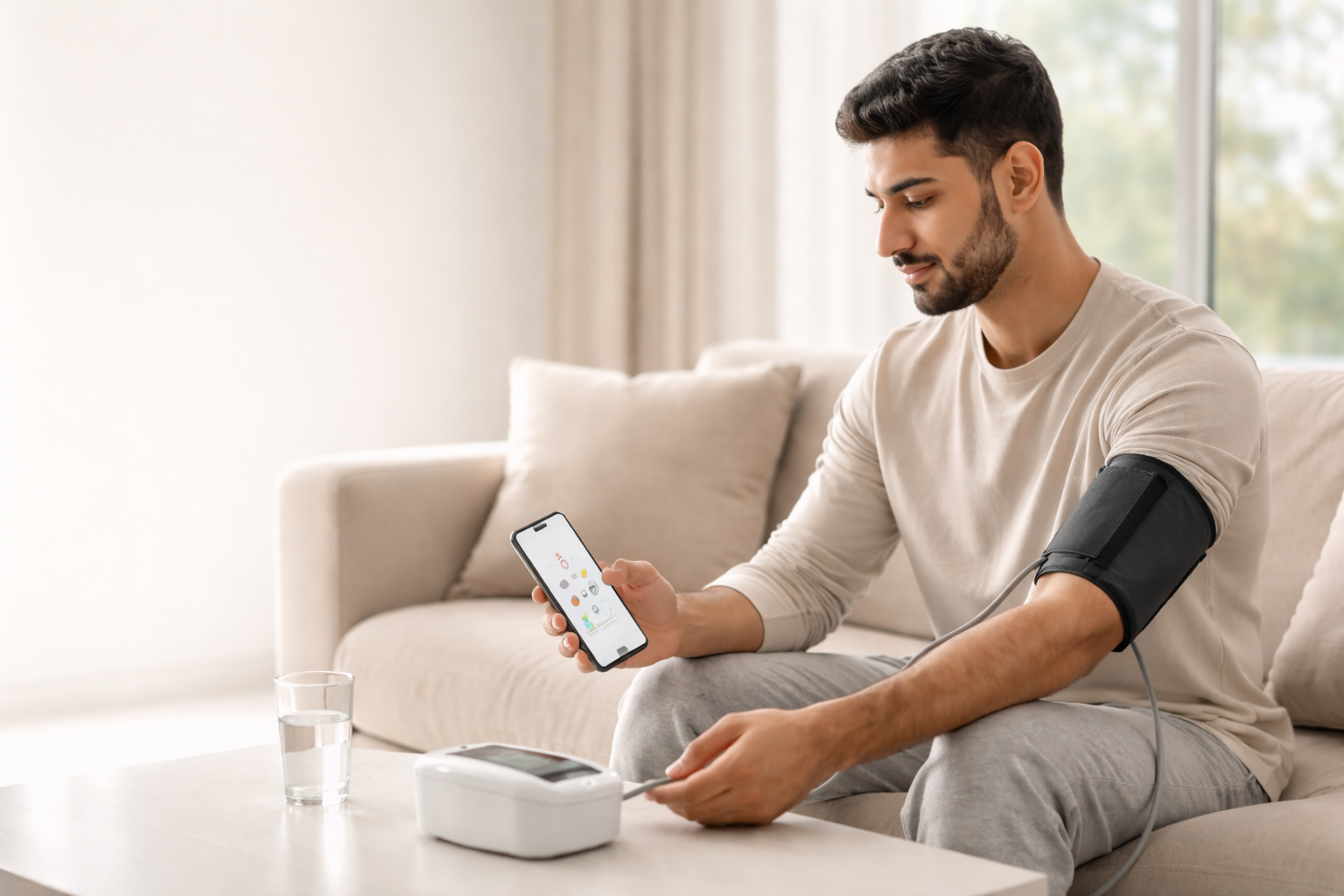
How to Monitor Your Health Without Excessive Testing
Many people believe that frequent medical tests are the only way to make sure they are healthy. While laboratory tests are important for diagnosis and early detection, doctors emphasize that health cannot be measured by tests alone. There are everyday indicators you can monitor to evaluate your health effectively without undergoing constant testing.
Tracking daily symptoms, monitoring vital signs, and assessing lifestyle habits, while relying on preventive tests only when necessary, is often the most balanced and effective way to stay on top of your health.
What Does Being Truly Healthy Mean?
Good health is not simply the absence of disease. It reflects a balance between physical and mental well-being and allows you to carry out daily activities with energy and ease.
Several signs indicate your body is functioning normally, including:
- Regular, restful sleep.
- Balanced nutrition.
- Regular physical activity.
- Emotional stability.
People who maintain a healthy lifestyle typically enjoy better energy levels and are less likely to develop serious health problems—even if they do not undergo frequent testing.
Role of Vital Signs in Monitoring Your Health
Monitoring your vital signs is one of the simplest and most effective ways to keep track of your health over time. These include:
- Blood pressure.
- Heart rate.
- Breathing rate.
- Body temperature.
Any persistent change in these indicators can be an early warning sign of a potential health issue. For example:
- High blood pressure may indicate an increased risk of heart disease.
- A fast or irregular heart rate may signal heart rhythm disorders or thyroid problems.
By regularly monitoring these signs, either at home or during routine doctor visits, you can get a clear and reliable picture of your health and reduce the need for repeated laboratory tests.
Symptoms You Should Never Ignore
Your body often sends warning signals before a health problem develops into something more serious. Paying attention to unusual or persistent symptoms can be just as important as undergoing medical testing.
Key symptoms that should not be overlooked include:
- Unexplained weight gain or weight loss.
- Persistent fatigue.
- Shortness of breath or difficulty breathing.
- Frequent headache.
- Chest pain or pressure.
- Changes in sleep patterns or appetite.
If these symptoms persist for weeks or begin to affect your daily life, it is important to consult a doctor for a proper evaluation.
Home Health Monitoring Devices
Thanks to modern technology, it has become easier than ever to monitor your health at home using simple devices, such as:
- Blood pressure monitors.
- Smartwatches that track heart rate and physical activity.
- Pulse oximeters to measure blood oxygen levels.
- Home glucose meters.
These tools can help detect changes in your vital signs early and provide your doctor with more accurate data when needed, rather than relying on a single measurement taken during a clinic visit.
Continuous monitoring can reduce the need for frequent testing and help doctors make more precise decisions when medical evaluation becomes necessary.
Why Preventive Screening Still Matters?
Avoiding excessive testing does not mean ignoring medical tests altogether. Preventive screenings conducted at recommended intervals are essential for detecting diseases in their early stages. These may include:
- Blood pressure and cholesterol checks
- Blood sugar testing
- Age-appropriate cancer screenings
Studies show that following recommended screening schedules reduces health risks and increases the chances of successful early treatment. Therefore, it is important not to neglect the screening plan recommended by your doctor.
The Importance of Knowing Your Family Medical History
Family medical history plays a key role in assessing your personal health risks. Knowing whether close relatives have conditions such as diabetes, heart disease, or certain cancers helps doctors determine whether you may need earlier or more frequent screening.
Even if you have no symptoms, a strong family history of a specific condition may require closer monitoring compared to someone without such risk factors.
When Are Medical Tests Truly Necessary?
There are certain situations in which medical tests and laboratory investigations become essential, including:
- Persistent or worsening symptoms.
- The presence of chronic illnesses that require monitoring.
- Pregnancy or planning for pregnancy.
- Advancing age.
- Exposure to risk factors such as smoking or harmful work environments.
In these cases, medical tests provide information that cannot be obtained through symptom tracking or vital sign monitoring alone. Delaying necessary testing may allow a health condition to worsen.
Final Thoughts
Taking care of your health does not mean undergoing frequent tests without clear reasons. Instead, it involves a balanced approach: monitoring vital signs, paying attention to daily symptoms, maintaining a healthy lifestyle, and completing preventive screenings only when needed.
This approach helps reduce stress and unnecessary costs while still ensuring that any potential health problem is detected early.
To make health monitoring easier and more consistent, measure your blood pressure and vital signs using iDoc devices, and follow your health data through the app to detect changes.