How to Lower Cholesterol Without Medication
High cholesterol is a common health concern that significantly increases the risk of heart disease. It often goes unnoticed because it rarely causes clear symptoms, which is why many people only discover it during routine blood tests. Fortunately, simple lifestyle changes can noticeably improve cholesterol levels and, in some cases, reduce the need for medication.
In this article, we explore effective natural ways to lower cholesterol through practical lifestyle adjustments and highlight habits that support heart health and improve lipid levels.
s Cholesterol Beneficial or Dangerous?
Cholesterol is a type of fat that the body needs to build cells and produce certain hormones. However, it is divided into two main types:
- Low-density lipoprotein (LDL), often called “bad” cholesterol, which can accumulate in the arteries and lead to blockages.
- High-density lipoprotein (HDL), often called ‘good’ cholesterol, assists in clearing surplus cholesterol from the blood.
High levels of LDL increase the risk of atherosclerosis, heart disease, and stroke, especially when combined with risk factors such as smoking, excess weight, or diabetes.
Does Your Diet Raise or Lower Cholesterol?
What you eat has a major impact on managing your cholesterol levels. Saturated and trans fats found in processed foods, fatty meats, and full-fat dairy products can raise LDL cholesterol in the blood.
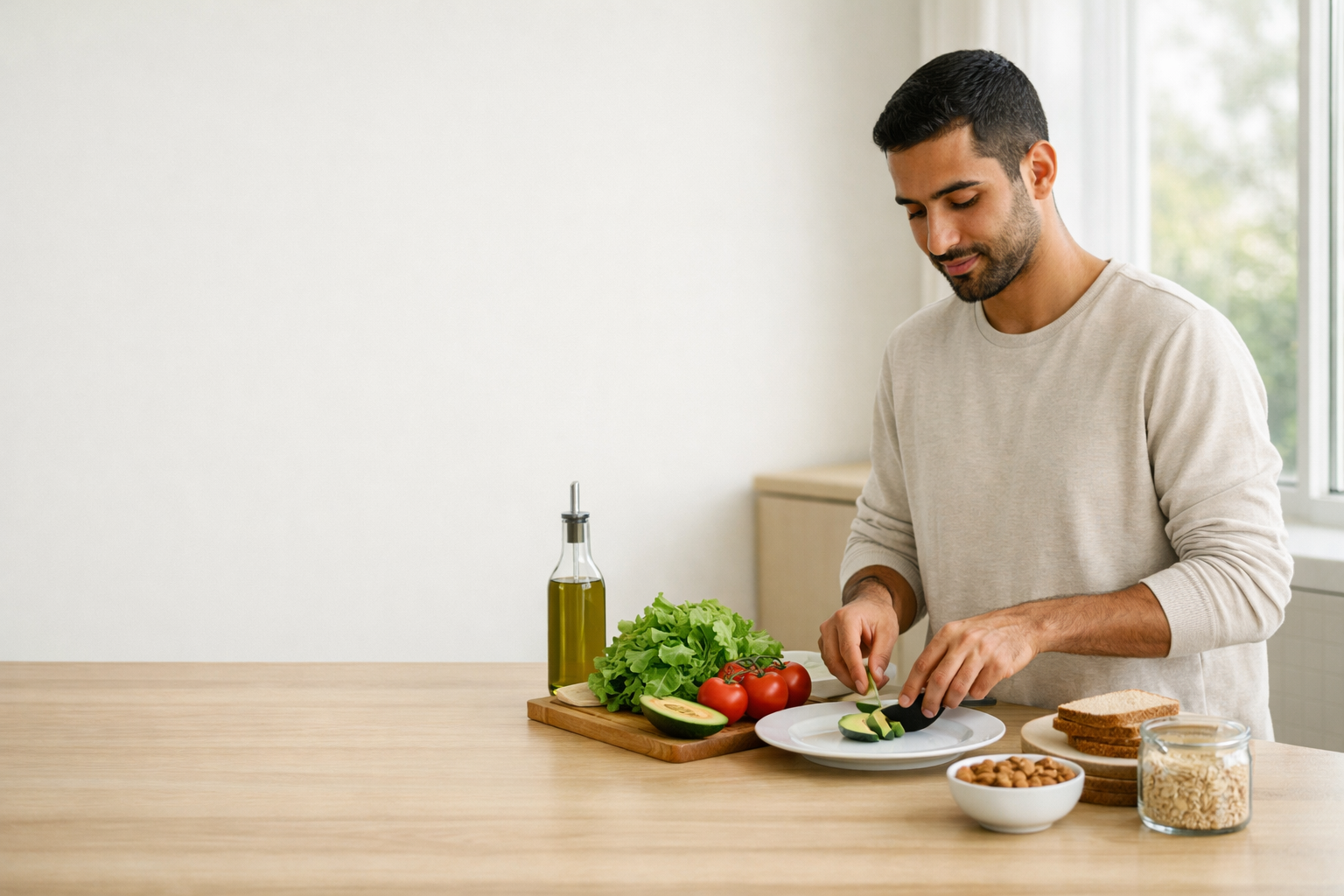
On the other hand, replacing these with healthier unsaturated fats, such as those found in olive oil, nuts, avocados, and fatty fish like salmon, can significantly reduce LDL levels and support overall heart health.
How Fiber Helps Lower Cholesterol Naturally?
Soluble fiber is one of the most effective natural ways to lower cholesterol. Inside the digestive system, it forms a gel-like substance that binds to cholesterol and reduces its absorption, helping the body eliminate it more efficiently.
Good sources of soluble fiber include:
- oats and barley.
- legumes such as beans and lentils.
- fruits like apples and citrus.
Incorporating these foods into your daily diet can gradually improve cholesterol levels over time.
Can Exercise Really Improve Cholesterol Levels?
Regular physical activity is one of the best ways to increase HDL (good) cholesterol while lowering LDL and triglycerides. Exercise also improves blood circulation and strengthens overall cardiovascular health.
Health guidelines recommend at least 150 minutes of moderate-intensity exercise per week, such as brisk walking, cycling, or swimming. Even shorter, frequent workouts throughout the week can lead to noticeable improvements in cholesterol levels and heart health.
Does Your Weight Affect Your Cholesterol?
Excess body weight, particularly around the abdomen, is linked to higher LDL cholesterol and triglyceride levels and increases the risk of heart problems.
Losing even a small amount of weight can lead to meaningful improvements in lipid profile results and a reduction in harmful cholesterol levels. Maintaining a healthy weight also enhances metabolism, reduces inflammation, and improves the body’s sensitivity to insulin, all of which support long-term heart health.
Do Smoking and Alcohol Make Cholesterol Problems Worse?
Smoking damages blood vessels, lowers HDL cholesterol, and accelerates the buildup of fatty deposits in the arteries, significantly increasing the risk of heart disease.
Quitting smoking can lead to noticeable improvements in cardiovascular health and a rise in HDL levels within a relatively short period.
Excessive alcohol consumption may also raise triglyceride levels, contribute to weight gain, and negatively affect liver health. For this reason, limiting or avoiding alcohol is recommended for people with high cholesterol.
Can Supplements Help Lower Cholesterol?
Some dietary supplements may help reduce cholesterol levels, but they should not replace a healthy diet or active lifestyle. Common supplements that may support cholesterol control include:
- Omega-3 fatty acids, which help lower triglycerides.
- Plant sterols, which reduce cholesterol absorption in the intestines.
- Fiber supplements, such as psyllium.
These supplements should be used under medical supervision, especially for individuals already taking cholesterol-lowering medications, to avoid potential interactions.
When Lifestyle Changes Alone Are Not Enough?
In some cases, lifestyle changes may not be sufficient to bring cholesterol levels down to a safe range. Certain individuals have a genetic condition known as familial hypercholesterolemia, in which the body produces high levels of cholesterol regardless of diet.
People with diabetes, metabolic syndrome, or persistently high cholesterol may also require medications such as statins alongside lifestyle changes to reduce the risk of heart attacks and strokes.
Final Thoughts
In many cases, cholesterol levels can be lowered naturally by improving diet, increasing physical activity, maintaining a healthy weight, and avoiding smoking. These habits not only improve lab results but also significantly reduce the long-term risk of cardiovascular disease.
Because individuals respond differently to lifestyle changes, it is important to monitor cholesterol levels regularly and consult a healthcare professional to determine the most appropriate management plan.
If you notice any abnormal readings, you can easily monitor your blood pressure and vital signs using iDoc devices and schedule a medical consultation to ensure proper follow-up and effective health management.