How to Create a Home Environment That Keeps Your Child Active
In a world where screens have become a central part of a child’s daily routine, it’s increasingly common for kids to spend long hours on phones, tablets, or in front of the TV. While this may keep them calm and occupied, it often leads to a sedentary lifestyle that can affect both their health and development.
According to the WHO, children need at least 60 minutes of moderate to vigorous physical activity each day, something many children don’t consistently achieve. That’s why building an active lifestyle should start at home.
Why Movement Is Essential for Your Child’s Growth?
Physical activity is not optional; it’s a core part of healthy development. Regular movement helps:
- Strengthen bones and muscles.
- Maintain a healthy weight.
- Reduce the possibility of future chronic health conditions.
- Improve mood, sleep quality, and concentration.
Active children often show better emotional balance and stronger learning abilities compared to less active peers.
Does Your Home Encourage Movement or Inactivity?
A child’s activity level isn’t based on their choices alone; it’s heavily influenced by their environment.
A home with a safe space to play and simple tools for movement naturally encourages activity. On the other hand, excessive screen access can significantly reduce opportunities for physical movement.
The good news: small, practical changes can make a big difference.
1. Manage Screen Time Smartly
The issue isn’t screens themselves, but overuse. Increased screen time is directly linked to reduced physical activity in children.
To create a healthier balance:
- Set clear daily limits for screen use.
- Establish device-free times at home.
- Offer engaging alternatives, like active play or family activities.
2. Design a Space That Promotes Movement
Even in smaller homes, you can create an activity-friendly environment:
- Dedicate a small play corner.
- Use simple tools like balls or jump ropes.
- Keep a safe area for dancing or free movement.
Living rooms, hallways, or even small open spaces can become zones for daily activity.
3. Make Movement Part of the Daily Routine
Consistency is key. Instead of treating exercise as a separate task, integrate it into your child’s daily schedule:
- Light movement in the morning.
- Active play after school.
- Family walks or outings in the evening.
This approach helps normalize physical activity as part of everyday life.
4. Encourage Free Play
Not all activities need structure. Free play is essential for creativity and natural movement.
Children can:
- Invent their own active games.
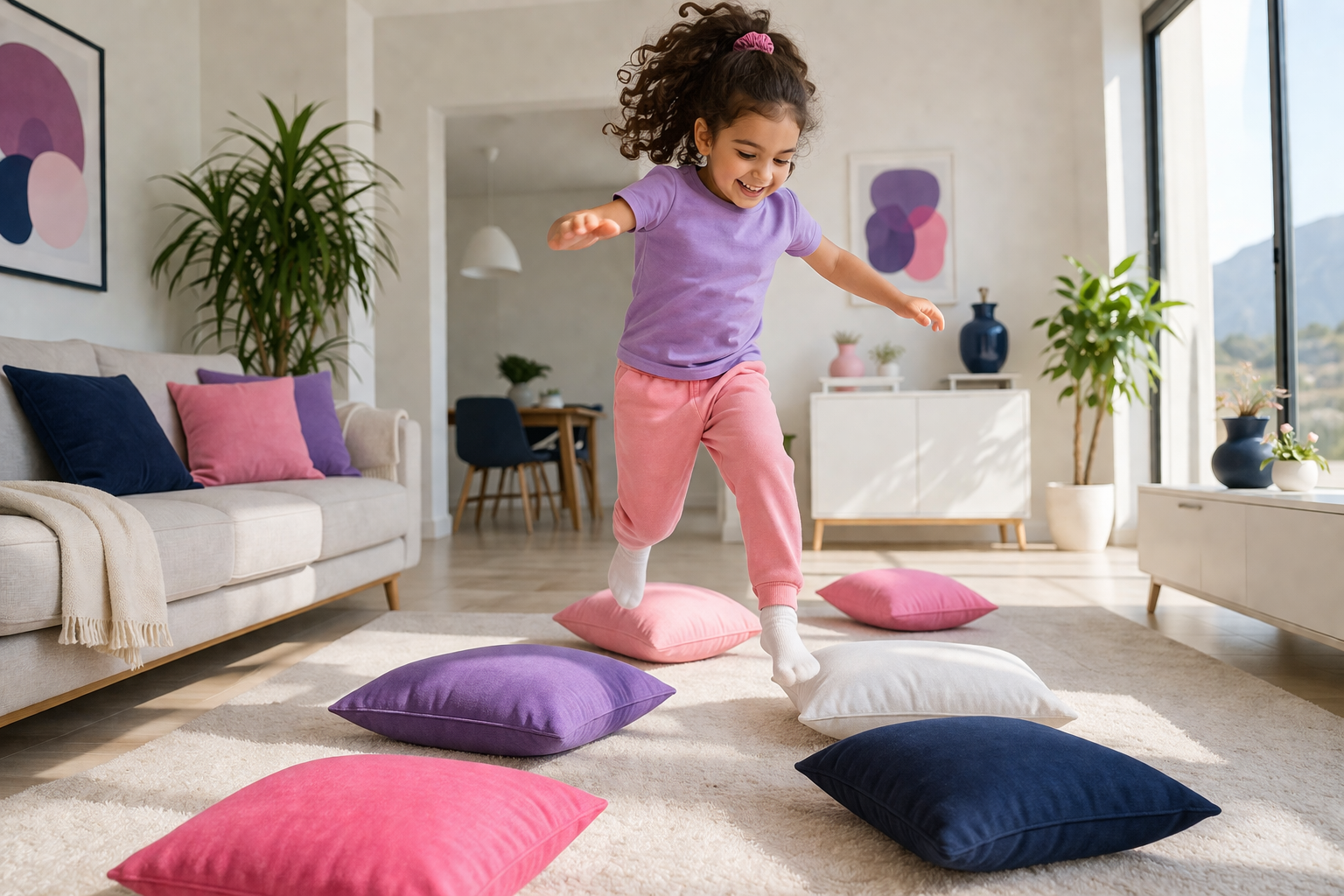
- Create obstacle courses at home.
- Engage in running, jumping, and imaginative play.
This type of play keeps them active without pressure.
5. Be a Role Model
What children see has a stronger impact on them than what they are told.
When they observe parents being active, walking, exercising, or even moving regularly around the house, they are more likely to adopt similar habits. Your lifestyle sets the tone.
6. Motivate Don’t Pressure
The way you encourage your child matters. Positive motivation is far more effective than force or pressure.
You can turn activity into fun challenges:
- Who can jump the highest?
- Who can run the fastest?
This keeps movement enjoyable rather than a chore.
7. Adapt Activity to Your Child’s Age
Children’s physical needs vary by age:
- Toddlers: free movement and exploration.
- Young children: interactive and energetic play.
- Teenagers: structured or group activities.
Matching activities to their developmental stage improves both engagement and benefit.
When Should You Seek a Doctor?
Low activity levels can sometimes signal an underlying concern. You might want to consult an expert if you notice:
- Persistent lack of energy.
- Unusual fatigue with minimal effort.
- Delayed motor skills.
Early evaluation can help identify and address potential issues.
Final Thoughts
Creating an active home environment doesn’t require major changes. It starts with simple daily habits, limiting screen time, providing space for movement, encouraging free play, and leading by example.
Over time, physical activity becomes a natural part of your child’s life, not something they’re forced to do.
If you’d like personalized guidance to support your child’s physical development, you can book a consultation through iDoc. A specialist can help design a tailored activity plan suited to your child’s age, needs, and lifestyle, making it easier to build healthy, active habits that last.