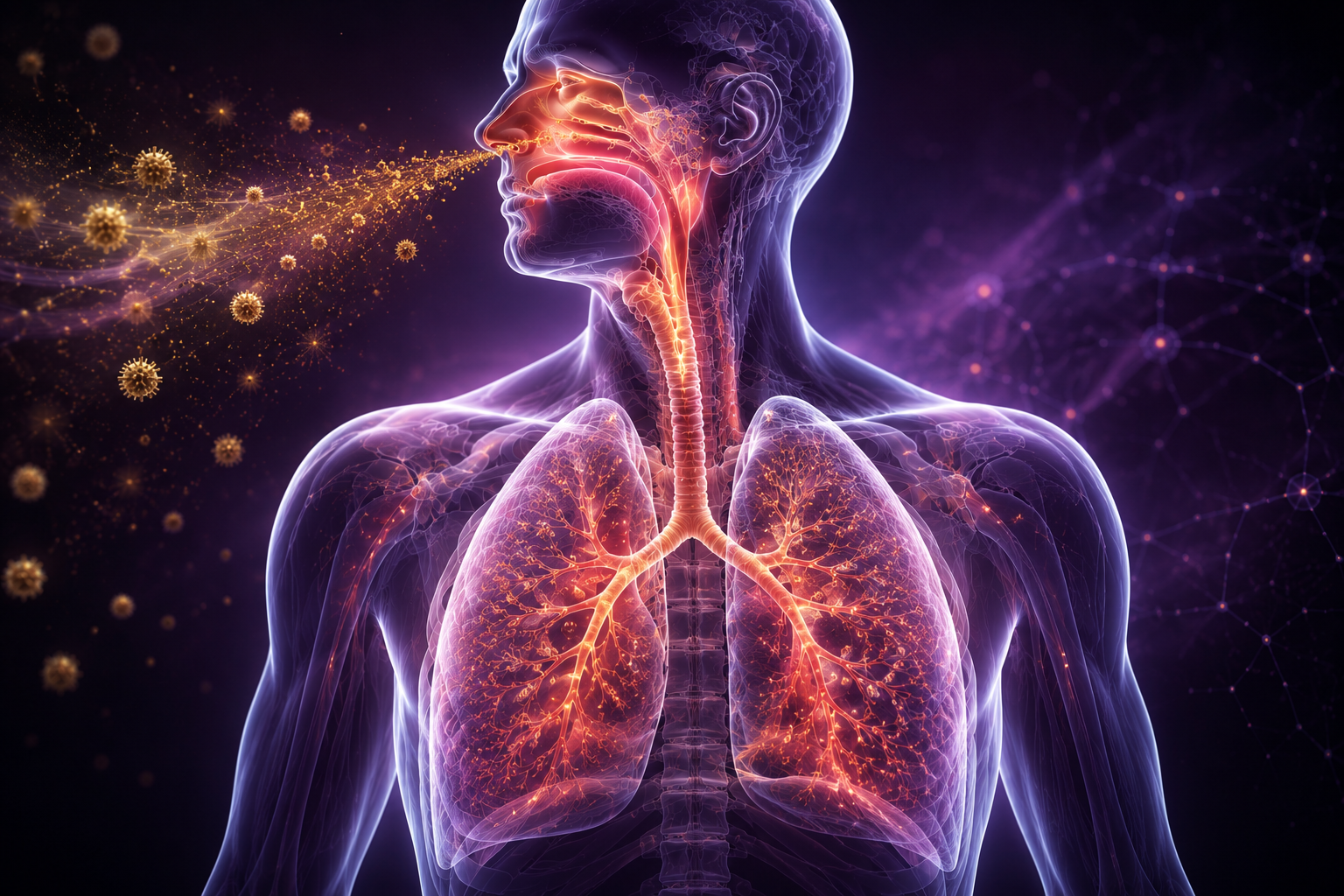
How Pollen Allergies Disrupt Breathing and Sleep Quality
Pollen allergies are not limited to sneezing or mild irritation. They can significantly affect your breathing and reduce sleep quality, especially during high pollen seasons. Many people notice worsening sleep without realizing that the real cause is airway inflammation triggered by pollen exposure.
Understanding this connection helps explain why breathing feels harder at night and why sleep becomes fragmented or unrefreshing.
What Is Pollen and Why It Trigger Allergic Reactions?
Pollen, a fine powder from trees, grasses, and weeds, is part of their natural reproduction process. Although harmless in nature, it can trigger strong immune reactions in some individuals.
When pollen enters the body through the nose or mouth:
- The immune system wrongly recognizes it as a harmful substance.
- It triggers an exaggerated response known as allergic rhinitis.
- The body releases histamine, leading to inflammation in the airways.
This inflammatory response affects more than just mild irritation; it directly impacts the respiratory system and can disturb normal breathing, especially during sleep.
How Pollen Affects the Respiratory System?
Once inhaled, pollen mainly affects the upper airways, leading to airway inflammation and swelling.
Common symptoms include:
- Nasal congestion and blockage.
- Frequent sneezing.
- Persistent coughing.
- Increased mucus production.
- Narrowing of airways, especially in people with asthma.
Inflammation results in swollen nasal passages and decreased airflow. Meanwhile, excess mucus further complicates breathing.
For example, a person may feel mild congestion during the day, but as inflammation increases, breathing becomes more difficult, especially when lying down.
This is where breathing problems begin to affect sleep quality.
The Link Between Pollen and Sleep Disturbances
Breathing and sleep are closely connected. When airflow is reduced, sleep quality declines noticeably.
Nasal congestion often forces mouth breathing, which is less efficient and may cause dryness and irritation. More importantly, restricted airflow can lead to:
- Frequent nighttime awakenings.
- Difficulty reaching deep sleep stages.
- Snoring due to airway obstruction.
- Mild sleep-disordered breathing.
A common example: a person goes to bed with mild congestion but wakes up multiple times during the night feeling unable to breathe comfortably.
Over time, sleep may become fragmented even when total sleep time seems enough.
Why Allergy Symptoms Get Worse at Night?
Allergy symptoms often become more intense at night due to several factors:
- Pollen builds up on clothes, hair, and bedding throughout the day.
- Poor indoor ventilation that traps allergens.
- Lying flat, which allows mucus to accumulate in the nasal passages.
- Cooler nighttime temperatures may irritate airways.
These combined factors create the perfect environment for worsening allergic rhinitis during sleep.
Impact of Poor Sleep Caused by Allergies
Repeated sleep disruption affects more than just rest. Poor sleep quality can lead to:
- Reduced concentration and mental performance.
- Daytime fatigue and low energy levels.
- Increased stress and irritability.
- Weakened immune function.
From a medical perspective, fragmented sleep prevents the body from reaching deep, restorative stages needed for recovery and immune regulation.
This creates a cycle: allergies disrupt sleep, and poor sleep increases sensitivity to inflammation.
How to Reduce the Impact of Pollen on Breathing and Sleep?
You can reduce symptoms and improve sleep quality through simple strategies:
- Keep windows closed during high pollen seasons.
- Use air purifiers indoors.
- Take a shower before bedtime to wash pollen off your skin and hair.
- Change bedding regularly.
- Use antihistamines or nasal sprays when needed.
- Elevate the head during sleep to improve airflow.
These steps help reduce exposure to allergens and improve breathing comfort during the night.
When Should You See a Doctor?
Medical advice is recommended if:
- Symptoms persist despite basic treatments.
- Breathing becomes noticeably difficult.
- Sleep quality is significantly affected.
- There is a history of asthma or severe allergies.
Early medical intervention can help control symptoms and prevent complications.
Conclusion
Pollen allergies are often seen as a minor seasonal issue, but their impact can go much deeper than sneezing or nasal irritation. Through airway inflammation, pollen directly affects breathing, which in turn disrupts sleep quality. Over time, this leads to fatigue, reduced focus, and lower overall well-being.
The key is to treat breathing and sleep as connected systems, not separate problems, so you can effectively break the cycle and restore healthy, restful sleep.
If you are experiencing allergy symptoms that affect your breathing or sleep, do not ignore them. Book a medical consultation through iDoc to receive an accurate diagnosis and a suitable treatment plan for your condition without waiting or hassle.