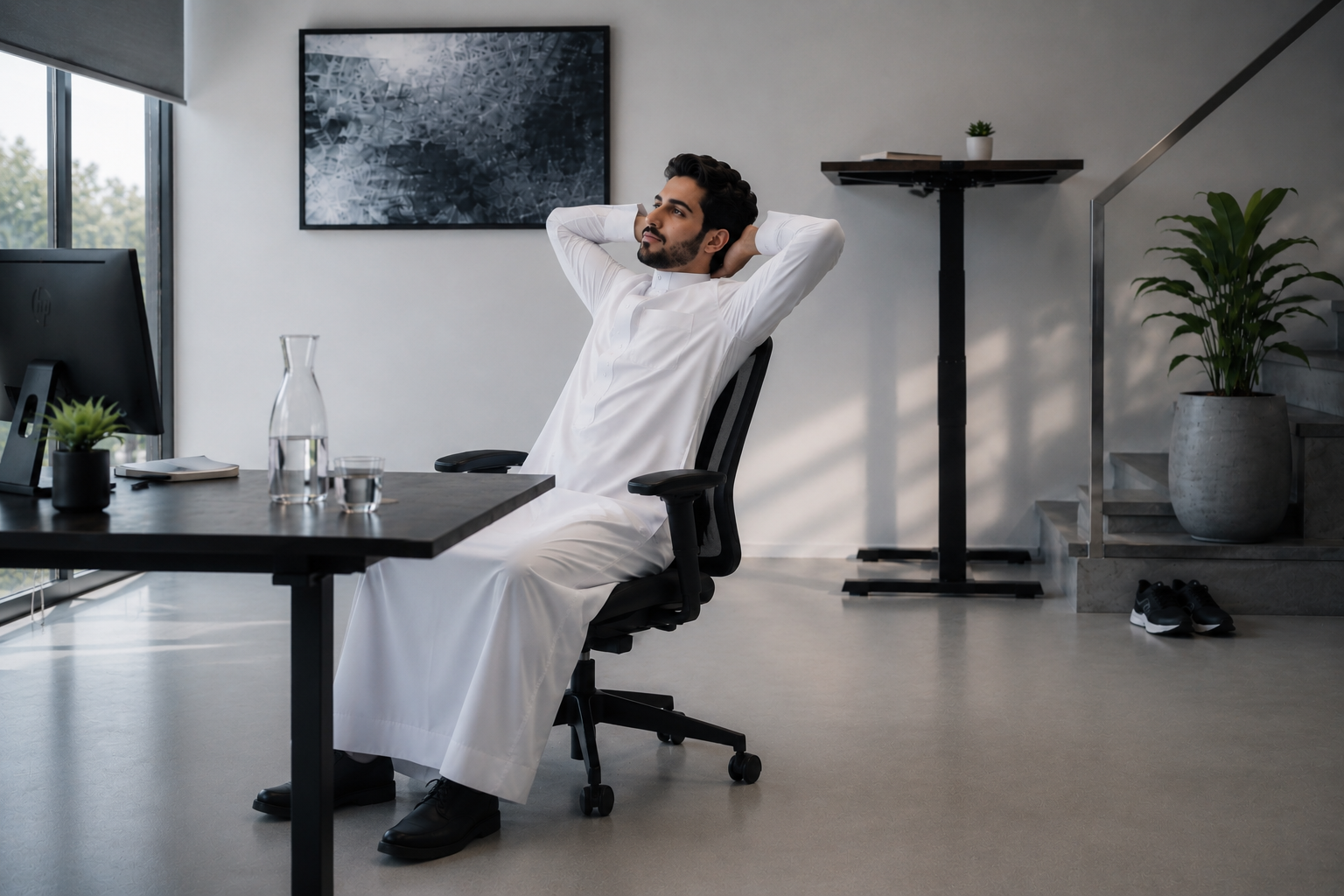
How Physical Inactivity Affects the Lymphatic System?
Physical activity is commonly associated with heart health, muscle strength, and weight management. However, its role extends beyond that; it also helps support the lymphatic system, which is responsible for draining excess fluid from tissues and transporting important substances throughout the body.
Unlike the circulatory system, which relies on the heart to pump blood, the lymphatic system depends heavily on body movement and muscle activity to keep lymph fluid flowing properly.
What Is the Lymphatic System?
The lymphatic system plays an essential role in the body’s immune defense system. It consists of lymph vessels, lymph nodes, and lymph fluid.
Its primary functions include:
Collecting excess fluid from body tissues.
Returning this fluid to the bloodstream.
Supporting the body’s defense against infections.
Lymph nodes contain immune cells that help filter lymph fluid and fight harmful microbes and substances. This is why lymph nodes may become swollen during infections or inflammation.
Despite its importance, the lymphatic system often receives less attention than other body systems, even though its efficiency is closely connected to simple daily habits, especially movement.
Why Does the Lymphatic System Depend on Movement?
Unlike the blood circulation, the lymphatic system does not have a dedicated pump.
- Instead, lymph flow relies on:
- Muscle contractions.
- Body movement.
- Breathing patterns.
When you walk or move your muscles, pressure is created that helps push lymph fluid through the vessels and improve circulation.
Even simple actions, such as changing sitting positions or standing up regularly, can help stimulate lymphatic flow. Deep breathing also plays an important role by supporting lymph movement within the chest and abdominal areas.
How Does Physical Inactivity Affect Lymphatic Function?
When sitting for long periods without enough movement, the muscles involved in lymph circulation become less active, which may slow lymph flow relatively.
Over time, some people may notice symptoms such as:
- Heavy legs.
- Mild swelling in the feet or limbs.
- Stiffness after prolonged sitting.
- General fatigue or low energy.
Physical inactivity is also commonly linked to reduced circulation and lower overall physical activity, which may affect several important body functions.
However, these symptoms do not necessarily indicate a medical lymphatic disorder. In many cases, they may simply reflect a low-movement lifestyle, poor circulation or fluid retention.
Relation Between Movement and Immunity
The lymphatic system plays an important role in immune function because it helps transport immune cells and fluids throughout the body.
As a result, regular physical activity is indirectly associated with stronger immune support and overall health. Research suggests that moderate movement may help:
- Improve blood and lymph circulation.
- Support immune efficiency.
- Enhance sleep quality.
- Increase energy levels.
- Reduce the effects of a sedentary lifestyle.
These benefits do not require intense exercise.
How Can Daily Movement Support the Lymphatic System?
Several simple habits may help improve lymph flow, including:
- Daily walking, even for short periods.
- Reducing long sitting hours.
- Moving regularly during work or study.
- Performing gentle stretching exercises.
- Practicing deep breathing.
- Staying adequately hydrated.
Conistency is also important. Incorporating movement into the daily routine tends to be more effective than doing intense exercise only occasionally.
Final Insight
Physical inactivity can affect the efficiency of the lymphatic system and may slow fluid circulation throughout the body, potentially influencing its essential functions over time.
This is why maintaining regular physical activity, even simple movement, plays an important role in supporting lymphatic health and improving overall body function.
If you notice symptoms that may be related to poor lymphatic circulation, you can book a medical consultation through iDoc for a proper evaluation and personalized guidance.