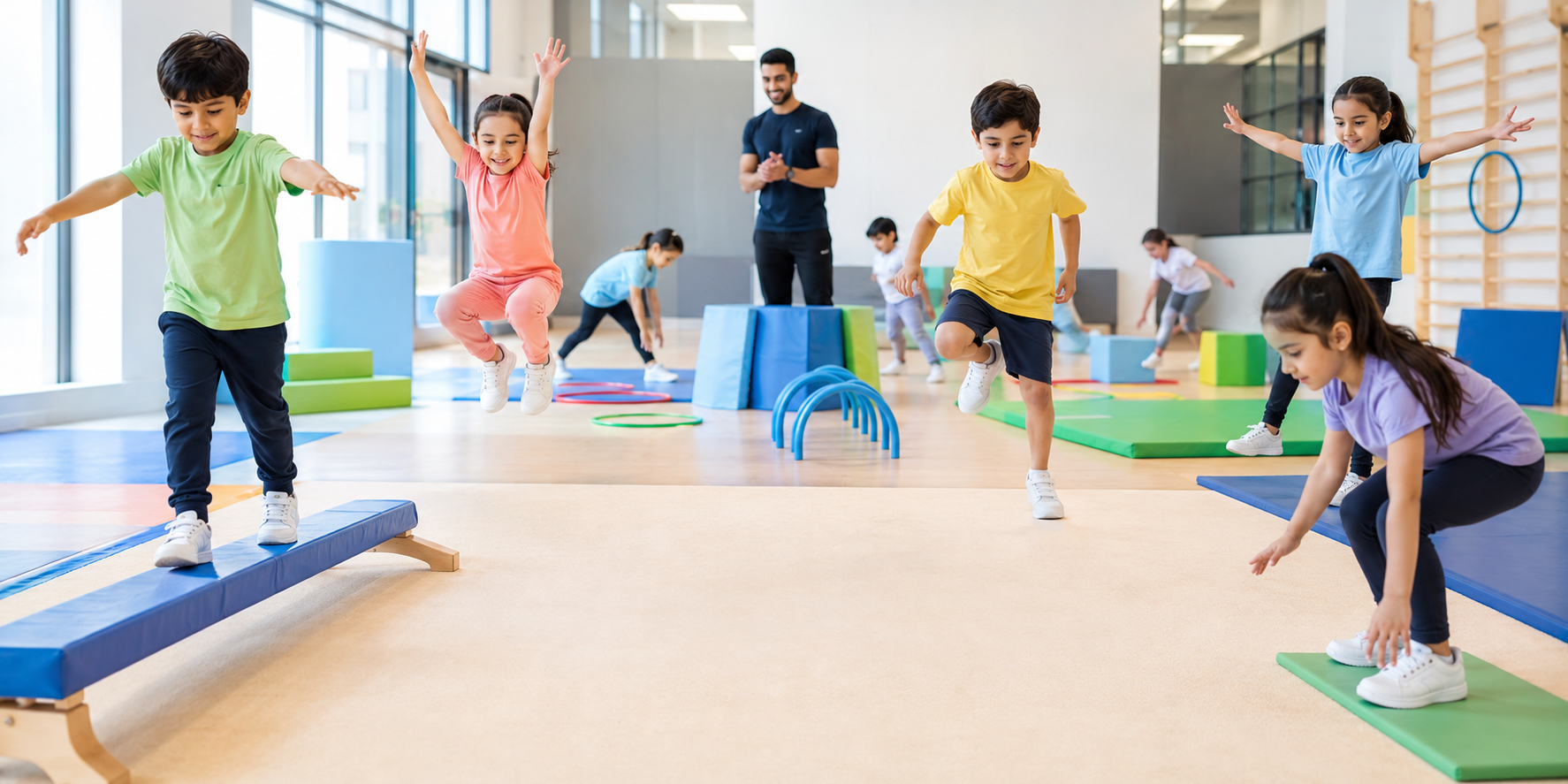
How Physical Activity Builds Strong Bones in Children?
Strong bones begin to develop early in life. Childhood is one of the most important stages for building the skeletal system that supports the body throughout adulthood. Although genetics influences body structure and bone composition, lifestyle factors, especially physical activity and proper nutrition, play the biggest role in developing healthy, strong bones.
Encouraging children to stay active is not only about improving fitness; it is also an investment in their future health, helping reduce the risk of fractures and bone-related problems later in life.
In this article, we’ll explore how exercise supports bone development, the best activities for strengthening children’s bones, and practical ways parents can encourage active habits healthily and enjoyably.
Why Strong Bones Matter in Childhood?
Bones are not fixed structures; they are living tissues that constantly grow and renew themselves. During childhood, the body builds bone faster than it breaks it down, allowing children to reach what is known as peak bone mass.
The higher this peak:
- The lower the risk of fractures.
- The lower the chance of developing osteoporosis later in life.
- The stronger and better able to withstand physical stress.
In contrast, if there is poor bone development during childhood:
- Bone density may decrease.
- The risk of injuries becomes higher.
- Bones may become more fragile with age.
This highlights the importance of building strong bone health from an early age.
How Exercise Strengthens Bones?
Exercise plays a direct role in improving bone health through a process called bone remodelling.
When bones are exposed to moderate and repeated stress, the body responds by increasing their strength and density. This leads to:
- Higher bone mineral density.
- Stronger internal bone structure.
- Better resistance to pressure and impact.
In simple terms, bones become stronger when they are used regularly and actively.
Best Exercises for Building Strong Bones in Children
Not all physical activities affect bones in the same way. Weight-bearing and gravity-resistance activities are considered the most effective.
Examples include:
- Running and jogging.
- Jumping and skipping rope.
- Football and basketball.
- Climbing and playground activities.
These activities place healthy stress on the bones, encouraging proper growth and strengthening. Balance exercises are also helpful because they improve coordination and reduce the risk of falls.
For best results, children should combine structured sports with free play rather than relying on one type of activity only.
How Much Physical Activity Do Children Need?
Health organizations recommend that children get at least 60 minutes of physical activity every day.
This should include:
- Moderate-intensity activities such as walking or cycling.
- Vigorous activities such as running or active play.
- Exercises that strengthen muscles and bones at least three times weekly.
Consistency matters more than intensity. Daily movement is the key factor in maintaining strong and healthy bones.
Role of Nutrition in Bone Development
Exercise alone is not enough. Bones also need proper nutrition to grow and strengthen effectively. Important nutrients include:
- Calcium: essential for building bone structure.
Sources include milk, yoghurt, and leafy green vegetables. - Vitamin D: Supports the body in effectively absorbing calcium.
Sources include sunlight exposure, eggs, and fortified foods. - Protein: supports muscle growth and bone tissue development.
Sources include meat, legumes, and nuts.
A healthy balance between nutrition and physical activity provides the foundation for strong bones.
Risks of Physical Inactivity in Children
A lack of physical activity during childhood can negatively affect bone development and overall health.
Possible consequences include:
- Reduced bone density.
- Increased risk of obesity.
- Weak muscles that support the skeleton.
Long periods spent sitting in front of screens also reduce opportunities for movement, which can negatively impact physical development and bone strength over time.
How to Encourage Your Child to Stay Active?
Helping children become more active does not require complicated methods. The goal is to make movement enjoyable and part of everyday life.
Helpful tips include:
- Turning physical activity into fun games.
- Gradually reducing screen time.
- Setting a positive example as parents.
- Offering different activities to avoid boredom.
- Encouraging children to play with friends.
Example of a simple daily routine:
- Morning: light movement or walking.
- Afternoon: outdoor play or sports activities.
- Evening: simple family activities or walks.
Conclusion
Building strong bones in children is not the result of one single factor. It depends on a combination of regular movement, balanced nutrition, and healthy lifestyle habits.
Every active moment, healthy meal, and positive habit contributes to stronger bones and better long-term health. Supporting these habits from an early age is one of the most valuable investments parents can make in their child’s future well-being.
If you are looking for professional guidance to support your child’s healthy growth, from proper nutrition to safe physical activity, you can book a medical consultation through iDoc. Specialists can help you create a balanced routine that supports bone strength, overall fitness, and healthy development.