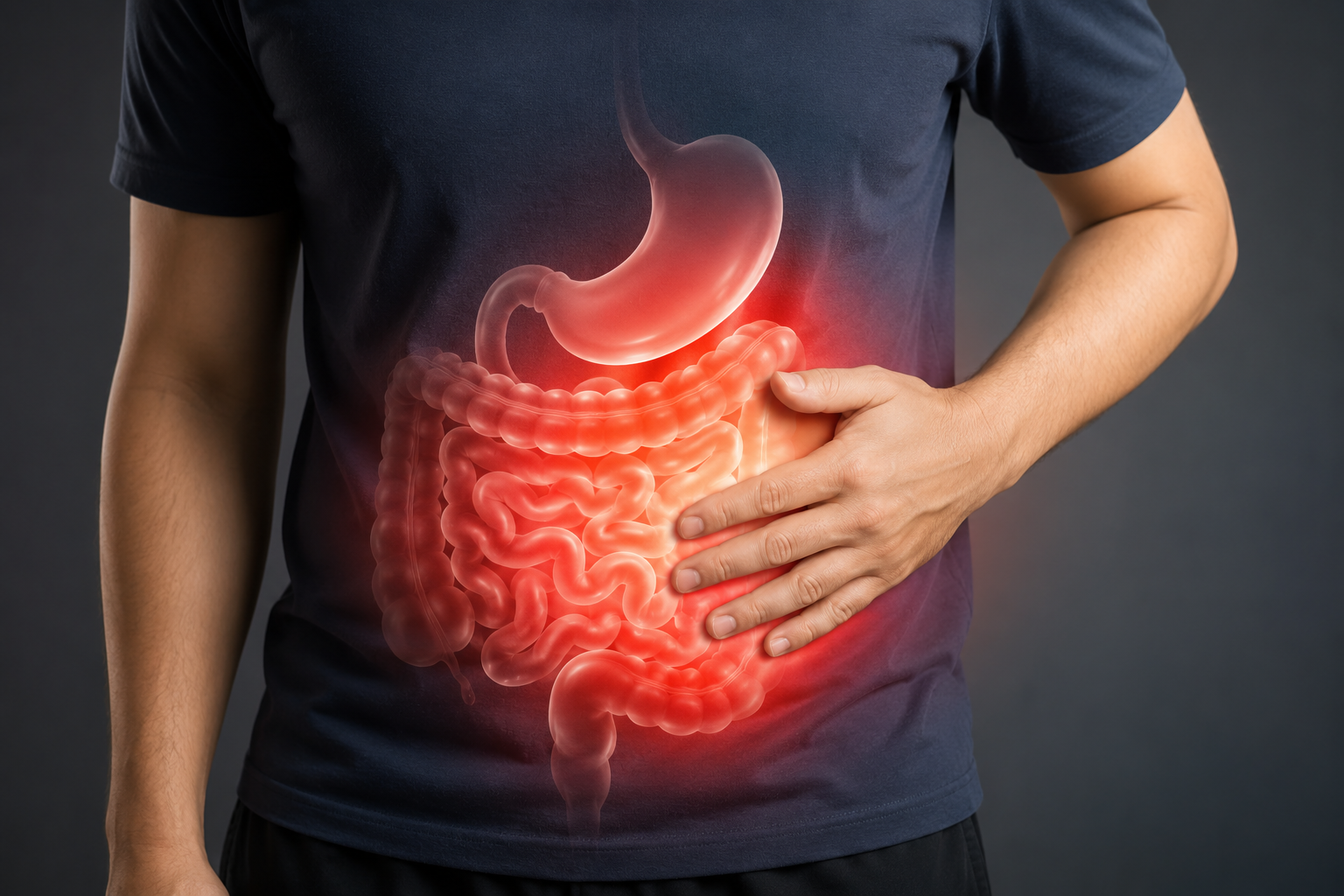
How Digestive Problems Impact Vitamin Absorption?
It’s easy to assume that eating a healthy, balanced diet automatically means you’re getting all the vitamins your body needs. But nutrition isn’t only about what you eat, it’s about what your body is actually able to absorb.
In some cases, people follow a nutrient-rich diet and still develop vitamin deficiencies. Often, the missing piece isn’t intake, it’s absorption.
It’s Not Just What You Eat
After food enters your body, nutrients don’t immediately become available. They go through a complex, carefully coordinated digestive process before reaching the bloodstream.
The absorption of vitamins happens mainly in the small intestine. So the issue doesn’t always start with what you consume, but with how well your body processes it.
How Absorption Works?
You can think of digestion as a step-by-step system, where each stage depends on the one before it:
- Breakdown in the stomach.
- Enzymes from the pancreas further break nutrients down.
- Bile from the liver (stored in the gallbladder) helps digest fats.
- Absorption in the small intestine, where nutrients pass into the bloodstream.
If any step is disrupted, the efficiency of the entire process decreases.
What Is Malabsorption?
Malabsorption refers to a condition where the body has difficulty absorbing essential nutrients such as vitamins, minerals, fats, or proteins.
This means that even with an adequate diet, the body may still fail to get what it needs.
Digestive Disorders That Can Affect Absorption
Several medical conditions can interfere with nutrient absorption:
- Coeliac disease: Damages the intestinal lining when gluten is consumed.
- Crohn’s disease and chronic inflammation: Impair absorption through ongoing gut irritation.
- Pancreatic insufficiency: Reduces digestive enzyme production, especially for fats.
- Liver and gallbladder disorders: Affect bile production needed for fat digestion.
- Short bowel syndrome: Reduces the surface area available for absorption.
Which Vitamins Are Most Affected?
Different vitamins rely on different absorption mechanisms:
Fat-Soluble Vitamins (A, D, E, K)
These depend on proper fat digestion, so they are often affected in conditions involving bile or pancreatic dysfunction.
Water-Soluble Vitamins (such as B12 and folate)
These are absorbed directly through the intestinal lining, making them more sensitive to gut damage or inflammation.
Signs Your Body May Not Be Absorbing Nutrients Properly
Symptoms vary depending on the deficiency, but common signs include:
- Persistent fatigue.
- Weak or brittle bones.
- Easy bruising or bleeding.
- Numbness or tingling sensations.
- Difficulty concentrating.
These symptoms often develop gradually, which makes them easy to overlook at first.
Why Digestive Problems Lead to Deficiencies
Several factors can interfere with proper absorption:
- Damage to the intestinal lining.
- Lack of digestive enzymes.
- Reduced bile production.
- Rapid intestinal transit (such as chronic diarrhoea).
In many cases, the problem is not insufficient vitamins, but the body’s reduced ability to absorb and use them.
Possible Complications
If malabsorption is left untreated, it may lead to:
- Chronic malnutrition.
- Growth delays in children.
- Bone weakening or osteoporosis.
- Reduced immune function.
When to See a Doctor
Medical attention is recommended if you experience:
- Persistent diarrhoea.
- Unexplained weight loss.
- Ongoing fatigue.
- Signs of vitamin deficiency.
Early evaluation can help identify the underlying cause and prevent long-term complications.
Final Thought
Vitamin deficiencies are not always caused by a poor diet. In some cases, the real issue lies deeper, in how the digestive system processes and absorbs nutrients.
Supporting gut health is just as important as choosing nutritious foods. When digestion works properly, your body can actually benefit from everything you eat.
If something doesn’t feel right, you can book a personalized consultation with iDoc for a professional assessment that can help uncover the cause and restore nutritional balance effectively.