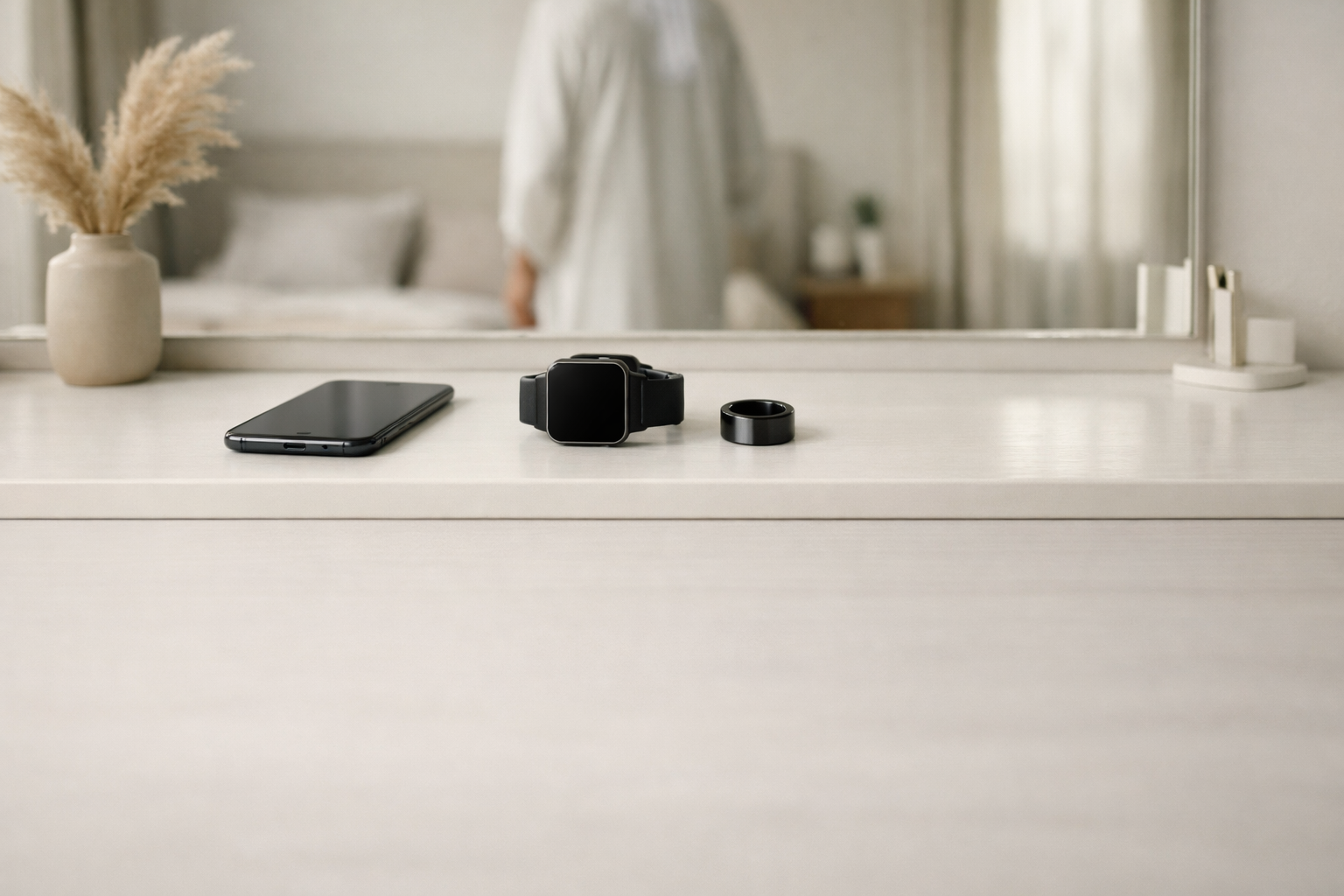
Do Weight Tracking Devices Really Work
Weight loss is a comprehensive journey. It does not depend solely on what you eat or how much you move; it also relies heavily on tracking your progress. This has become much easier with the emergence of modern weight tracking devices such as smart scales, wearable fitness devices, and mobile applications. These tools help millions of people around the world manage their weight in a more informed and effective way.
In this article, we will discuss the benefits of weight tracking devices, their uses, and how to use them correctly, along with insights supported by medical research.
What Are Tracking Devices?
Weight tracking devices are tools designed to help monitor weight loss and other factors such as nutrition, sleep, and physical activity. These include:
- Smart scales: Measure body weight, Body Mass Index (BMI) and body fat and muscle percentage. The data is often synced with connected applications.
- Wearable fitness devices: Include smartwatches that track your daily steps and progress continuously, as well as heart rate and overall activity levels.
- Mobile applications: These allow you to log your weight, physical activity, and sometimes calorie intake and meals.
Why Tracking Matters?
Manual progress tracking can be difficult, especially with a busy lifestyle. This may lead to repeated setbacks in your weight loss journey.
However, these devices help you record your progress accurately and compare results over time, allowing you to adjust your plan when necessary. Below are some of the key benefits.
Enhancing Daily Awareness and Motivation
When you see your numbers right in front of you – whether it’s your weight, your step count, or the calories you’ve burned – changing day after day, it sharpens your awareness of your daily habits and motivates you to stay on track.
Studies have shown that individuals who regularly use tracking devices tend to increase their physical activity compared to those who do not, which contributes to more effective weight loss.
For example, if your daily goal is 7,000 steps and you easily reach it, this can motivate you to increase your goal the following days and become more active.
Analysing Progress Over Time
Your weight naturally fluctuates from day to day due to factors such as water retention, food intake, and even hormonal changes like the menstrual cycle.
By using a smart scale, you can track trends over weeks or months rather than relying on a single daily reading. This helps you understand your true progress and prevents frustration caused by minor fluctuations.
Supporting Behavioural Change
Research indicates that tracking weight, diet, and physical activity using digital tools, as part of a comprehensive program, can support positive behavioural changes.
These tools increase awareness of daily habits, making it easier to adjust behaviours and achieve better weight loss outcomes. Studies also show that consistent use of these tools leads to more positive results, especially when both nutrition and physical activity are tracked together.
Increasing Daily Activity
Wearable fitness devices help raise awareness of your daily movement, including step count and activity duration. Studies suggest that these devices encourage individuals to spend more time being physically active, which contributes to improved overall health and gradual weight loss.
It is important to note that not all devices measure calorie expenditure accurately, and estimates may sometimes be imprecise. Therefore, the primary benefit lies in increasing movement and daily activity rather than relying only on calorie numbers.
Comprehensive Tracking
Scientific evidence shows that tracking weight alongside diet and physical activity is generally more effective than focusing on a single behaviour. This approach helps you understand how your daily habits influence your progress.
When Tracking Alone Isn’t Enough?
Despite their many benefits, it is important to be aware of certain limitations:
- Some studies suggest that fitness devices alone may not always produce better results than structured exercise programs and balanced diets without devices.
- Some individuals may feel discouraged if they do not see rapid progress, so it is important to focus on overall trends and health improvements rather than just numbers.
Smart Ways to Get the Most Out of Your Device
These devices should not be used randomly. To achieve the best results, follow these tips:
- Set realistic goals for your daily steps and weekly weight changes.
- Use a smart scale to record your weight in the morning after waking up.
- Track your activity and review both weight and dietary data.
- Use apps that provide reminders and weekly reports.
- Do not rely entirely on the device; sometimes, improved energy levels and overall health are better indicators of success
How Does Self-Tracking Help You Understand Progress?
Tracking provides real data instead of relying on feelings or assumptions about your body. By observing patterns over time, you can make more accurate adjustments to your habits.
For example, if you notice weight gain after consuming a high-fat meal, this may encourage you to adjust your next meal or increase your activity level.
How to Actually Benefit From Your Numbers?
Tracking apps and smart devices can support behavioural change by providing reminders to drink water, move more, or eat healthier meals.
Studies have shown that using these technologies alongside a structured diet or regular physical activity improves adherence and leads to better results.
How to Make Tracking a Daily Routine?
The following tips can help you integrate tracking into your daily routine:
- Make the device or app part of your everyday habits, check your weight in the morning, monitor your activity throughout the day, and log your meals after eating.
- Link tracking with simple routines, such as drinking water or preparing healthy food, so it becomes a natural part of your lifestyle.
The Bottom Line
Weight tracking devices are not a magical solution, but they are certainly powerful tools for improving results when used consistently as part of a structured weight loss plan.
Although they can deliver positive outcomes, they should not be relied upon entirely. It is equally important to monitor your progress independently and focus on overall health improvements.
If you are using these devices but not seeing progress, get your personalized nutrition and exercise plan through the iDoc app to help guide your journey more effectively.