Bloated After Small Meals? Here’s Why
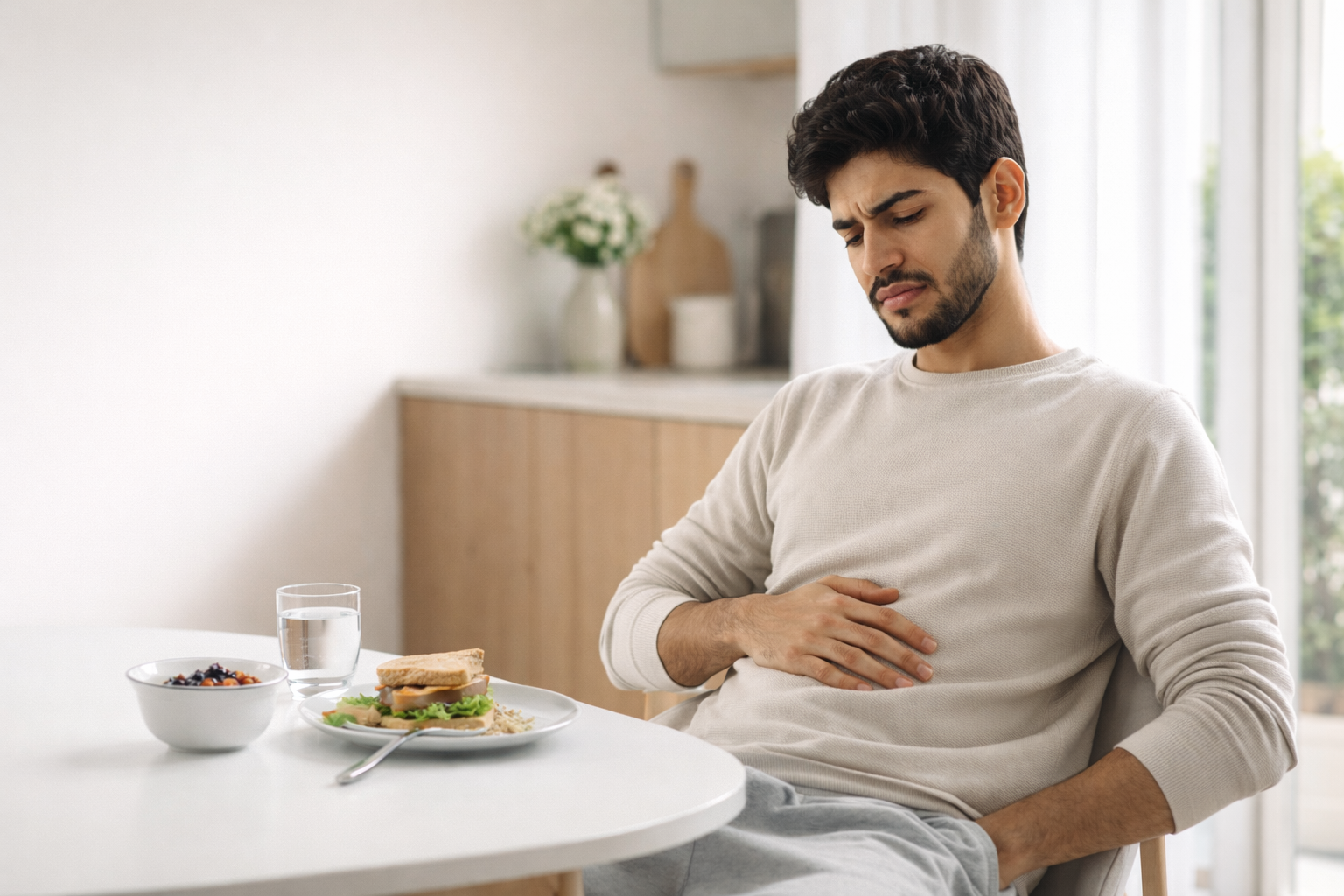
Have you ever felt fullness or tightness in your abdomen after a light meal, like a cup of yoghurt or a quick sandwich? You’re not alone. Many people experience bloating after eating, and it’s not always about how much you eat, but how your digestive system handles the food.
In this article, we’ll explain why bloating can happen even after small meals, how certain foods interact with your digestive system, and what you can do to feel more comfortable after eating.
What Is Bloating?
Bloating refers to a feeling of fullness or swelling in the abdomen. It usually happens when gas builds up in the digestive system or when digestion slows down. It may cause:
- A tight or swollen belly.
- Increased gas or burping.
- Discomfort even after small meals.
For example, you might eat a small sandwich but feel like you’ve had a large meal. In most cases, the reason is gas buildup or slow digestion, not the amount of food itself.
Why Can Small Meals Cause Bloating?
You might wonder: How can such a small meal cause this discomfort?
The answer lies in how your body processes food. Even light meals can cause bloating if:
- Your body produces more gas than usual.
- Food moves slowly through your digestive tract.
- You have difficulty digesting certain ingredients.
So instead of focusing only on portion size, it’s important to ask: How does my body respond to this food?
For example, eating breakfast quickly while rushing out the door may lead to bloating, not because of the quantity, but because digestion wasn’t smooth.
Common Causes of Bloating After Light Meals
Swallowing Air While Eating
One of the most overlooked causes of bloating is swallowing air. This can happen when you:
- Eat too quickly.
- Talk while eating.
- Drink through a straw.
- Chew gum frequently.
This extra air enters the digestive system, leading to gas buildup and a quick feeling of bloating.
Gas-Producing Foods
Some foods naturally produce gas during digestion, even in small amounts, such as:
- Legumes (beans, lentils).
- Cruciferous vegetables (broccoli, cabbage, cauliflower).
- Dairy products.
- Carbonated drinks.
Food Intolerance
Food intolerance is a common and often overlooked cause of bloating. It’s different from food allergies and can be harder to identify. Common types include:
- Lactose intolerance.
- Gluten sensitivity.
- Sensitivity to FODMAP foods.
When your body struggles to digest these components, they reach the intestines where bacteria break them down, producing gas. This increases pressure in the gut and leads to bloating.
That’s why even a small pastry can trigger bloating, not because of its size, but because of sensitivity to one of its ingredients.
Indigestion and Slow Digestion
Indigestion occurs when food stays in the stomach longer than normal, causing:
- Early fullness.
- Heaviness after small meals.
- Prolonged discomfort.
This often happens when:
- Eating too quickly.
- Eating under stress.
- Sitting immediately after eating.
For example, eating lunch quickly at your desk and going straight back to work may slow digestion, leading to gas buildup and bloating.
Gut Imbalance and Irritable Bowel Syndrome (IBS)
Your gut health plays a major role in how you feel after eating. Conditions like irritable bowel syndrome (IBS) or an imbalance in gut bacteria can make your digestive system more sensitive, leading to:
- Symptoms even after small meals.
- Increased gas production.
- Strong reactions to certain foods.
Constipation and Gas Retention
When bowel movements are slow, gas can become trapped in the digestive system. This leads to a feeling of heaviness or swelling, even after light meals.
If you’re constipated, even small amounts of food can increase pressure in your gut because gas has nowhere to go.
Hormones and Lifestyle Factors
Bloating isn’t always about food. Hormones and lifestyle habits can also affect how your body feels after eating.
Key factors include:
- Stress: Slows digestion and increases gas buildup.
- Hormonal changes: Especially during the menstrual cycle.
- Physical inactivity: Reduces natural movement of food and gas.
For example, eating a simple meal during a stressful workday may lead to bloating because your digestive system isn’t in a relaxed state.
When Should You See a Doctor?
Bloating is common and usually harmless, but some signs may need medical attention:
- Persistent or worsening bloating.
- Unexplained weight loss.
- Severe abdominal pain.
- Vomiting or noticeable changes in bowel habits.
If bloating keeps happening, even after small meals, it may signal an underlying issue that needs evaluation.
How to Reduce Bloating After Eating?
Simple changes in your daily habits can make a big difference:
- Eat slowly: Reduces air swallowing and improves digestion.
- Identify trigger foods: Notice what causes bloating and limit it.
- Avoid carbonated drinks: They add gas directly to your system.
- Move after meals: Light walking helps digestion and reduces gas.
- Manage stress: Simple breathing exercises can relax your body and support digestion.
Final Thoughts
Feeling bloated after a light meal can be frustrating, but it’s often your body’s way of signaling how it handles food. Whether the cause is swallowed air, difficulty digesting certain foods, or stress, the issue is usually not about how much you eat, but how your body responds.
The more you understand your personal triggers, the easier it becomes to adjust your habits and enjoy greater comfort after meals.
Want to reduce bloating and feel more comfortable after eating? Book a consultation with a doctor or nutrition specialist through iDoc and get a personalized plan tailored to your lifestyle and digestive needs.