Atherosclerosis: How Plaque Builds Up in Arteries
Atherosclerosis is one of the most common cardiovascular diseases worldwide and a leading cause of heart attacks and strokes. Despite its prevalence, many people do not understand what actually happens inside the blood vessels and how the disease begins silently over many years without noticeable symptoms.
Arteries are not just simple tubes for blood flow; they are living tissues that continuously respond to blood pressure, cholesterol levels, inflammation, and lifestyle factors. When this balance is disrupted, gradual changes begin to develop inside the vessel wall, eventually leading to narrowing or life-threatening clots.
What Is Atherosclerosis?
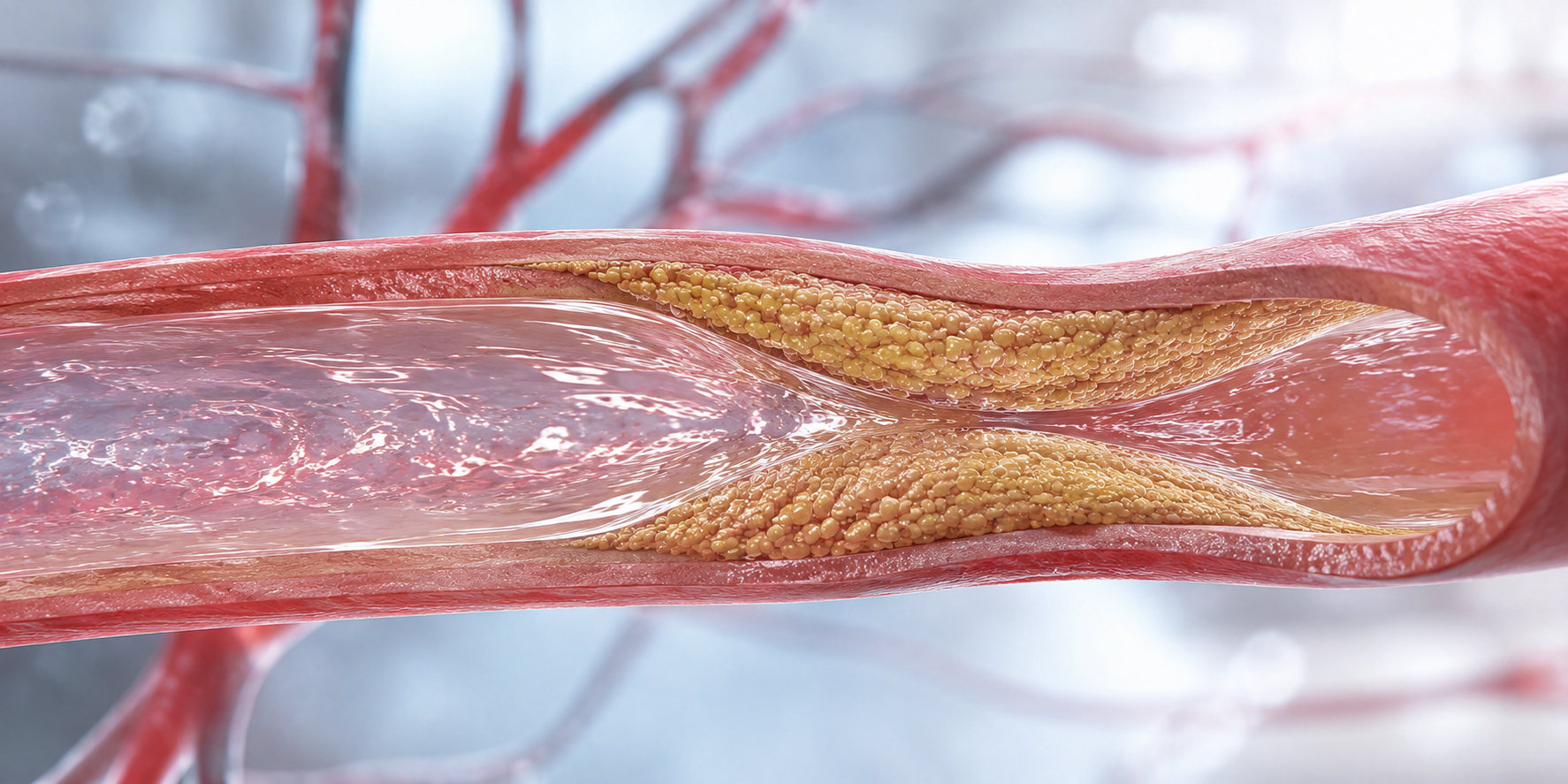
Atherosclerosis is a chronic condition caused by the buildup of fats and inflammatory substances inside the arterial wall, leading to the formation of deposits known as plaques.
These plaques are made of several components, including:
- Low-density lipoprotein (LDL) cholesterol.
- Inflammatory and immune cells.
- Calcium deposits.
- Cellular debris and fatty materials.
As these deposits accumulate, the arterial walls become thicker and less flexible, gradually affecting blood flow.
In a healthy state, arteries expand and contract smoothly to regulate blood pressure and circulation. However, as atherosclerosis progresses, this elasticity is lost, placing increasing strain on the heart and circulatory system.
How Does the Problem Start Inside the Artery?
Atherosclerosis often begins silently, without noticeable symptoms. Over time, lifestyle and health factors trigger early changes inside the arterial wall that gradually develop into plaque formation.
Damage to the Inner Arterial Lining
The process usually starts with minor damage to the endothelium, the inner lining of the artery responsible for smooth blood flow and preventing clot formation.
Common causes of this damage include:
- High blood pressure.
- Smoking.
- High blood sugar levels.
- Elevated LDL cholesterol.
- Chronic stress.
- Physical inactivity.
Although this stage is asymptomatic, the disease process has already begun.
Cholesterol Accumulation Inside the Artery Wall
After endothelial damage, LDL cholesterol particles begin to penetrate the arterial wall. Over time, these fats become oxidized, making them more harmful and triggering an immune response.
The body treats these deposits as foreign material and attempts to remove them, leading to the formation of foam cells, one of the earliest signs of atherosclerosis.
As this process continues, fatty streaks appear inside the arterial wall, marking the beginning of plaque formation.
Role of Inflammation in Atherosclerosis Progression
Recent studies show that atherosclerosis is not only a lipid disorder, but also a chronic inflammatory condition. As oxidized fats persist inside the arterial wall, the immune system continuously sends inflammatory cells, leading to:
- Thickening of the arterial wall.
- Loss of natural elasticity.
- Formation of a fibrous cap over deposits.
Over time, small plaques grow into larger and more complex lesions. Some remain stable for years, while others become fragile and prone to rupture, potentially leading to sudden clot formation.
How Artery Narrowing Affects the Body
As plaques enlarge, arteries gradually narrow, reducing the flow of oxygen and nutrients to tissues and organs. Symptoms vary depending on the affected artery:
Coronary Arteries
Reduced blood flow to the heart may cause:
- Chest pain or pressure.
- Shortness of breath.
- Fatigue during physical activity.
Brain Arteries
Narrowing of brain arteries may increase the risk of:
- Stroke.
- Memory and concentration problems.
- Dizziness and balance issues.
Leg Arteries
Reduced blood flow to the lower limbs may lead to:
- Pain while walking.
- Cold extremities.
- Poor circulation.
Despite these effects, the disease can remain silent for years before progressing to advanced stages.
What Happens When a Plaque Ruptures?
The danger of atherosclerosis is not limited to narrowing alone. Plaques inside the artery can rupture unexpectedly. When the fibrous cap covering the plaque breaks:
- The plaque contents are exposed to the bloodstream.
- The body recognizes it as an injury or bleeding.
- A blood clot rapidly forms to “seal” the area.
If the clot becomes large enough, it may completely block the artery, leading to serious complications such as:
- Heart attack.
- Stroke.
- Acute circulatory failure.
This is why some cardiovascular events occur suddenly, even in people without prior severe symptoms.
Why Is Atherosclerosis Called a Silent Disease?
Atherosclerosis often begins early in life and progresses slowly over many years. During this time, the body may compensate for reduced blood flow, so symptoms remain absent.
However, as risk factors continue, damage gradually accumulates, especially with:
- Smoking.
- Obesity.
- Physical inactivity.
- High blood cholesterol.
- Diabetes and hypertension.
Eventually, complications appear when the disease is already advanced.
Reducing the Risk of Atherosclerosis
Prevention starts with simple daily habits that have long-term impact, including:
- Reducing saturated fats and processed foods.
- Regular physical activity.
- Maintaining a healthy weight.
- Quitting smoking.
- Controlling blood pressure and blood sugar.
- Getting enough sleep and managing stress.
Regular monitoring of health markers such as cholesterol, glucose, and blood pressure also helps detect risk factors early.
Final Insight
Atherosclerosis is not simply fat accumulation inside arteries; it is a progressive condition involving inflammation, arterial damage, and impaired blood flow.
Its most dangerous feature is that it can develop silently for years without noticeable symptoms. Early prevention remains the most powerful tool to protect heart and vascular health.
Healthy lifestyle choices such as balanced nutrition, regular exercise, and avoiding smoking can significantly reduce the risk and slow disease progression.
If you are concerned or have a family history of heart disease, you can regularly monitor your vital health indicators through iDoc to better understand your condition and maintain long-term cardiovascular health.