Atrial Fibrillation
Atrial fibrillation is also called A-fib or atrial fib. This is an abnormal heart rhythm.
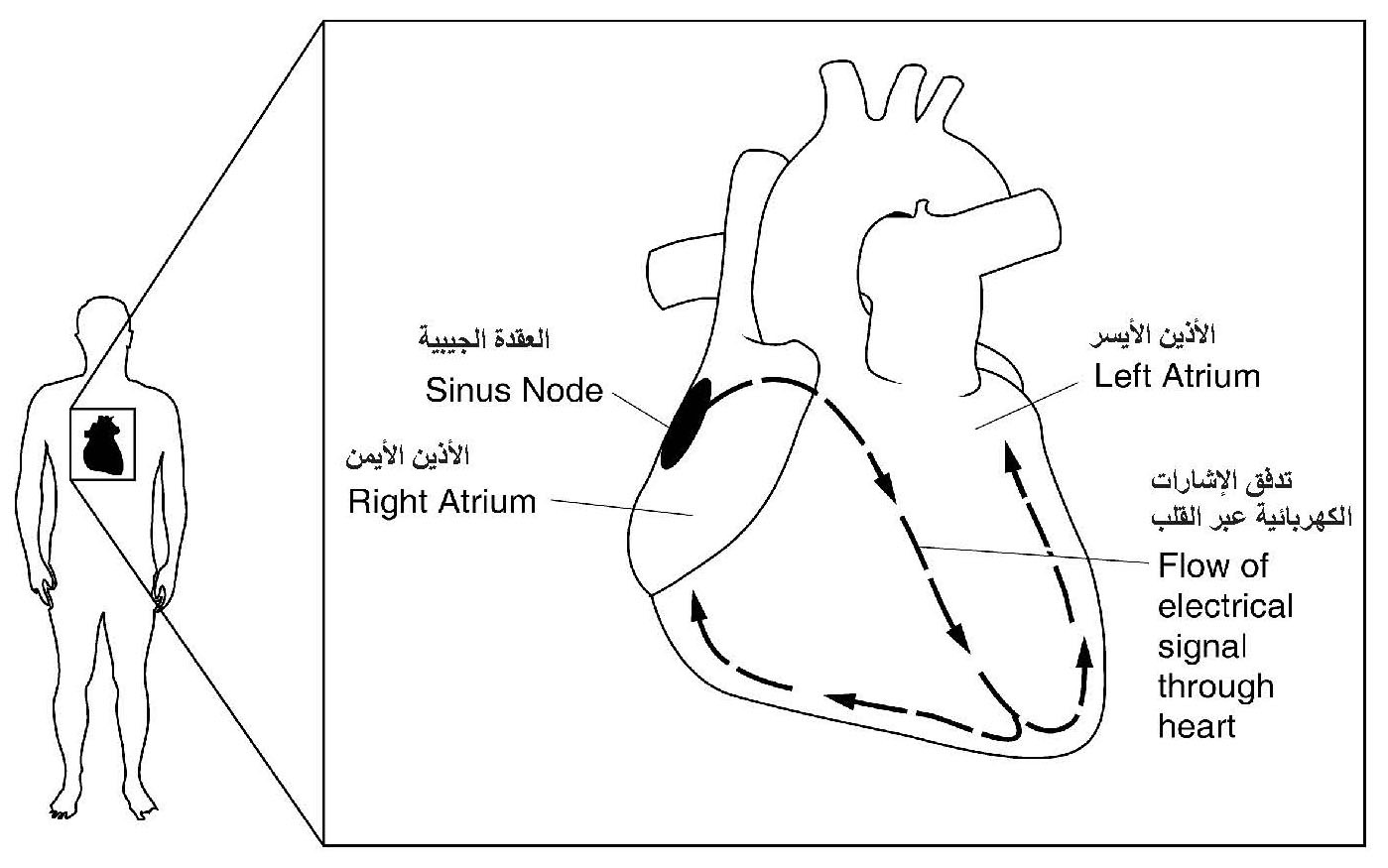
The heart’s rhythm is controlled by electrical signals in the heart. The sinus node sends electrical signals to the rest of the heart. These signals cause the heart to contract and pump blood. Normally, the heart contracts and relaxes at a regular rate. With atrial fib, the sinus node does not start the electrical signal. Signals come from other spots in the right or left atrium. This causes the heart to beat irregularly and at times very fast.
Signs of Atrial Fib
- Irregular heart beat.
- The feeling of rapid thumping inside the chest called heart palpitations.
- Shortness of breath.
- Tire easily with activity.
- Feel faint, dizzy or lightheaded.
Your Care
Your doctor will check your pulse and listen with a stethoscope for an irregular heart beat. Your doctor may order tests such as:
- An electrocardiogram (ECG or EKG) – a record of your heart’s electrical activit.
- Holter monitoring – a record of your heart rate for 24 to 48 hours.
- Other tests to check for heart disease.
Your treatment may include:
- Medicine to help regulate your heart rhythm and rate. You may also need to take a blood thinner called an anticoagulant to reduce the risk of blood clots and stroke.
- A cardioversion if medicine does not help. This is a low energy electrical shock applied through the skin to the heart to convert an abnormal heart rhythm to a normal rhythm. Sedation medicine is given before this is done.
- An ablation, which is a procedure that destroys cells in the left atrium of the heart that are causing the irregular rhythm. Catheters are inserted through a blood vessel leading to the heart. The problem area is found and is scarred or ablated with energy sent through the catheter. You are asleep during when this is done.
People with atrial fib are at a higher risk for stroke or serious heart problems if atrial fib is not controlled. It is very important to be under a doctor’s care.
Talk to your doctor or nurse if you have any questions or concerns.
© 2007 – September 30, 2016, Health Information Translations.
Unless otherwise stated, user may print or download information from www.healthinfotranslations.org for personal, non-commercial use only. The medical information found on this website should not be used in place of a consultation with your doctor or other health care provider. You should always seek the advice of your doctor or other qualified health care provider before you start or stop any treatment or with any questions you may have about a medical condition. The Ohio State University Wexner Medical Center, Mount Carmel Health System, OhioHealth and Nationwide Children’s Hospital are not responsible for injuries or damages you may incur as a result of your stopping medical treatment or your failure to obtain treatment.
Atrial Fibrillation. Arabic.
To read more: Click here