Spring Allergies: Causes and How to Stay Ahead of Them
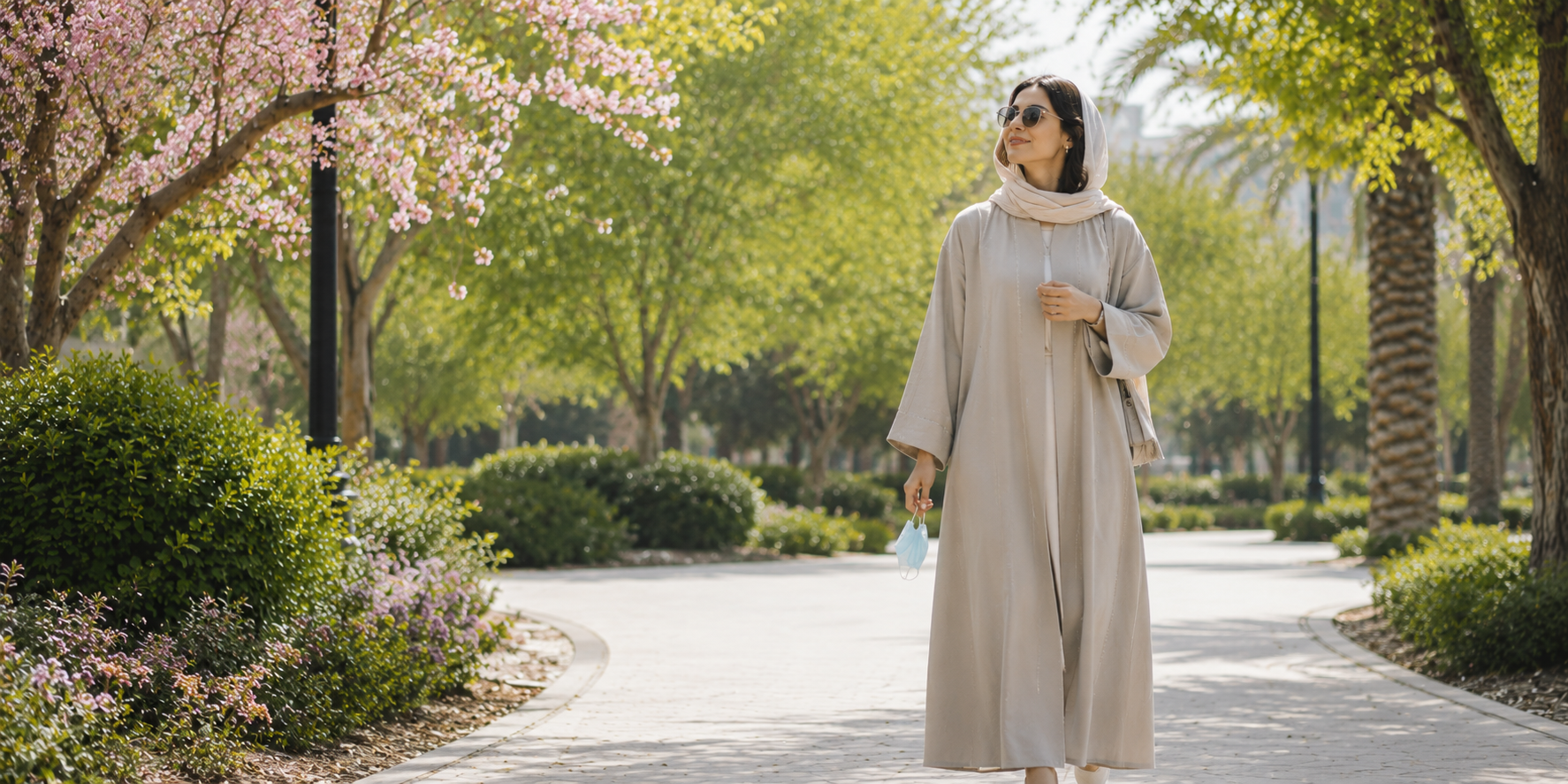
Spring brings warmer weather, blooming trees, and more time outdoors. While this season feels refreshing for many, it can also be uncomfortable for others who experience sneezing, itchy eyes, and persistent nasal irritation. These symptoms are commonly associated with seasonal allergic rhinitis, also known as spring allergies.
Understanding what triggers these reactions and how to limit exposure can significantly improve your comfort throughout the season.
What Are Spring Allergies?
Spring allergies occur when the immune system reacts excessively to harmless environmental particles such as pollen. Instead of ignoring these substances, the body mistakenly identifies them as harmful.
This triggers the release of chemicals like histamine, which are responsible for allergy symptoms.
Why Do Symptoms Get Worse in Spring?
Symptoms often peak during spring due to a sharp increase in airborne pollen, especially from trees and grasses.
Several environmental factors contribute to this:
- Wind spreads pollen over long distances.
- Dry weather keeps pollen suspended in the air for longer periods.
- Rain can temporarily reduce pollen levels before they rise again.
This combination makes spring the most active season for allergic reactions.
Common Allergy Triggers
Spring allergies can be triggered by both outdoor and indoor allergens.
Outdoor triggers
- Tree pollen.
- Grass pollen.
- Outdoor mould spores.
Indoor triggers
- Dust mites.
- Pet dander.
- Indoor mold.
Pollen can also enter indoor spaces through clothing, hair, or open windows, extending exposure even at home.
Recognising the Symptoms
Symptoms can vary in severity but commonly include:
- Frequent sneezing.
- Runny or blocked nose.
- Itchy, watery, or red eyes.
- Cough or throat irritation.
- Fatigue.
These symptoms may affect sleep quality, concentration, and overall daily comfort.
How to Protect Yourself?
Minimizing exposure is a key way to keep symptoms under control.
Outdoors:
- Avoid outdoor exposure on windy or dry days.
- Plan activities after rainfall when pollen levels are lower.
- Stay away from heavily grassed or planted areas.
Indoors:
- Keep windows closed during high pollen periods.
- Use air filters with high efficiency.
- Clean living spaces regularly.
Personal habits:
- Shower after returning home.
- Change clothes immediately after being outdoors.
- Wash hair regularly during pollen season.
Simple Daily Routine for Allergy Control
Small daily habits can significantly reduce exposure:
- Morning: check pollen forecasts before going outside.
- Midday: limit outdoor exposure during peak pollen hours.
- Evening: shower and change clothes after returning home.
- Night: keep windows closed and use an air purifier if needed.
A Real-Life Example
Imagine stepping outside on a warm, windy spring day. Within minutes, you begin sneezing, and your eyes start to itch.
This rapid reaction is often due to high pollen concentrations carried by the wind, which quickly increase exposure and trigger symptoms.
Indoor vs Outdoor Allergens
Understanding the source of allergens helps in managing them effectively.
- Outdoor allergens: pollen and mould in the open air. They can be managed by reducing exposure and monitoring weather conditions.
- Indoor allergens: dust mites and pet dander. They can be managed through cleaning and air filtration.
Practical Everyday Tips
- Monitor daily pollen forecasts.
- Start treatment early, before symptoms worsen.
- Wear sunglasses outdoors to protect your eyes.
- Keep clothes from drying outside in times of heavy pollen.
When Should You See a Doctor?
Seek medical advice if:
- Symptoms persist despite preventive measures.
- Sleep or daily activities are affected.
- You experience breathing difficulties or chest discomfort.
Treatment Options
Management depends on severity and may include:
- Antihistamines.
- Nasal sprays.
- Decongestants.
- Immunotherapy (allergy shots).
A personalised approach is often the most effective for long-term control.
Impact on Daily Life
Spring allergies are not limited to physical discomfort; they can also affect:
- Sleep quality.
- Focus and productivity.
- Mood and overall well-being.
Final Takeaway
Spring allergies are common, but highly manageable. The key is understanding your triggers, reducing exposure, and building consistent protective habits.
Even small steps, like checking pollen levels or improving indoor air quality, can make a noticeable difference in how you experience the season.
If you or someone you know is struggling with recurring allergy symptoms, book a consultation through iDoc for a fast, reliable assessment and a personalised plan to help you breathe easier this spring.