Kids and Headphones: What Parents Should Know
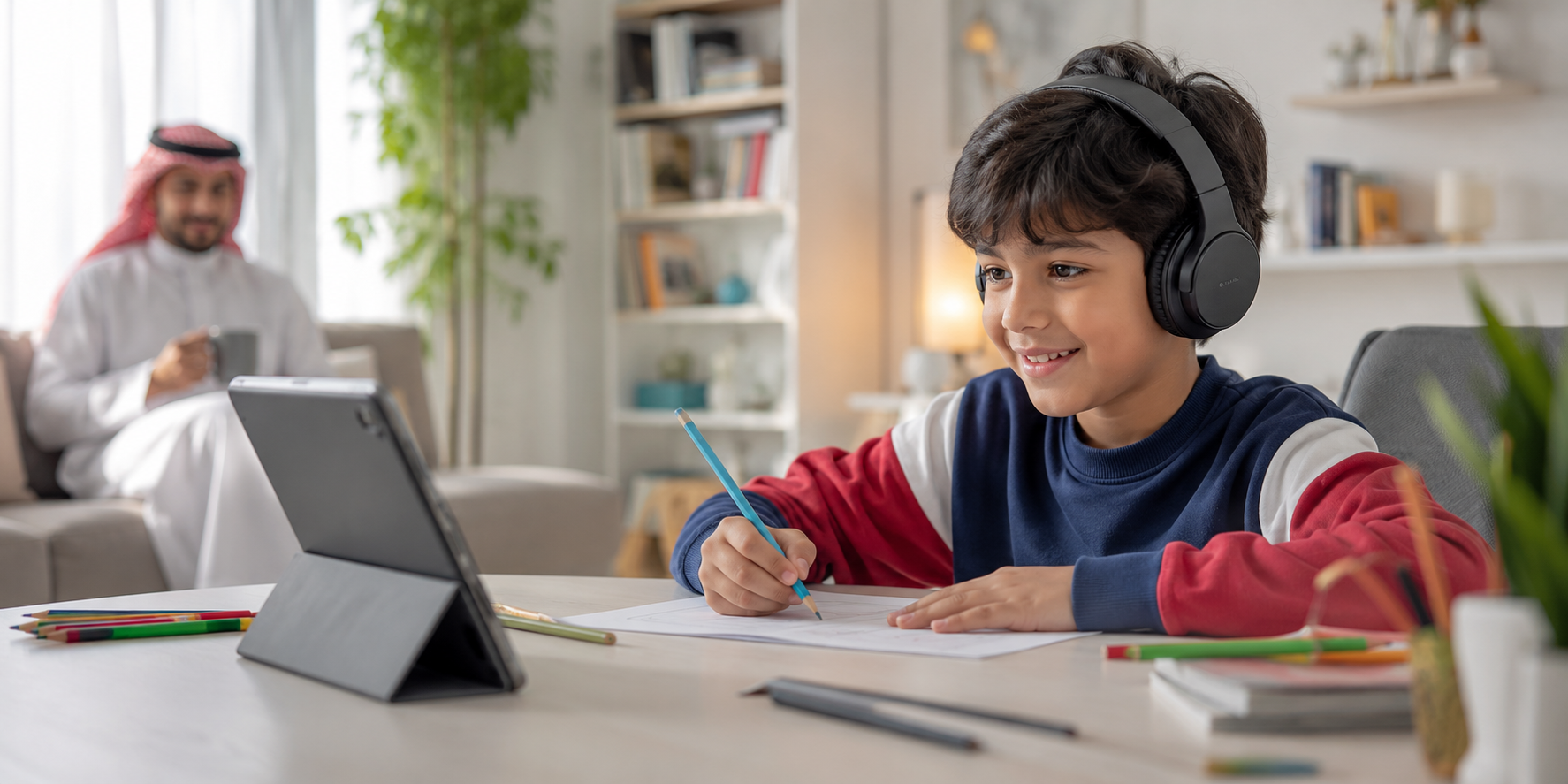
It’s a familiar scene. A child sits quietly with headphones on, watching videos, playing games, or attending an online class. Everything seems calm. The house feels peaceful.
But behind that quiet moment, an important question remains: what impact is this having on your child’s hearing?
How Hearing Actually Works
Sound enters the ear and travels to the inner ear, where tiny sensory cells convert it into electrical signals that the brain can understand.
These hair cells are extremely delicate. Once damaged, they do not heal or grow back.
Headphones deliver sound directly into the ear canal, often at a much higher intensity than natural environmental sounds. For children, whose auditory systems are still developing, this can place additional strain on these sensitive structures.
Does Listening Time Really Matter?
It’s not only volume that matters, but duration also plays an equally important role.
The longer the exposure and the higher the sound level, the greater the risk of damage.
A commonly recommended guideline is:
- Maintain audio levels at or below 60% of full volume.
- Limit continuous headphone use to 60 minutes at a time.
Think of it as giving the ears regular breaks to recover.
What Can Long-Term Use Cause?
Consistent exposure to loud sound (above 85 decibels) may lead to:
- Damage to inner ear hair cells.
- Gradual hearing loss.
- Difficulty distinguishing high-frequency sounds.
Children may also experience:
- Temporary muffled hearing.
- A sensation of pressure or fullness in the ears.
These can be early warning signs of overexposure.
Over time, repeated exposure may contribute to noise-induced hearing loss, which often develops slowly and is usually irreversible.
Early Signs to Watch For
Children may not always communicate hearing problems directly, so behaviour often provides the first clues.
Watch for:
- Frequently asking people to repeat themselves.
- Increasing the volume on devices.
- Difficulty following instructions.
- Experiencing ringing or buzzing sounds in the ears.
- Delayed speech development in younger children.
Noticing these signs early can make a significant difference.
Are There Other Risks?
Yes. Beyond hearing damage, excessive headphone use can also contribute to:
- Ear canal irritation or infections.
- Reduced awareness of surrounding sounds.
- Possible effects on attention, communication, and social interaction.
Can Hearing Recover?
In some cases, early or mild symptoms may improve once headphone use is reduced.
However, damage to inner ear hair cells is typically permanent. This is why prevention is far more effective than treatment.
How to Protect Your Child’s Hearing
Simple daily practices can significantly lower the risk:
- Follow the 60/60 rule (60% volume, 60 minutes maximum).
- Use child-friendly headphones with built-in volume limits.
- Encourage regular breaks from listening.
- Monitor daily screen and headphone use.
- Avoid using headphones in noisy environments, as this leads to higher volume levels.
- Schedule hearing checks if you notice any changes.
Final Takeaway
Headphones themselves are not the problem, it’s how they are used that matters.
Hearing damage often develops silently, without obvious early symptoms. A balanced and mindful approach allows children to enjoy digital devices safely while protecting their long-term hearing health.
If you notice any changes in your child’s hearing or behaviour, it’s important not to delay. Early evaluation can help prevent long-term consequences and protect their hearing for the future.