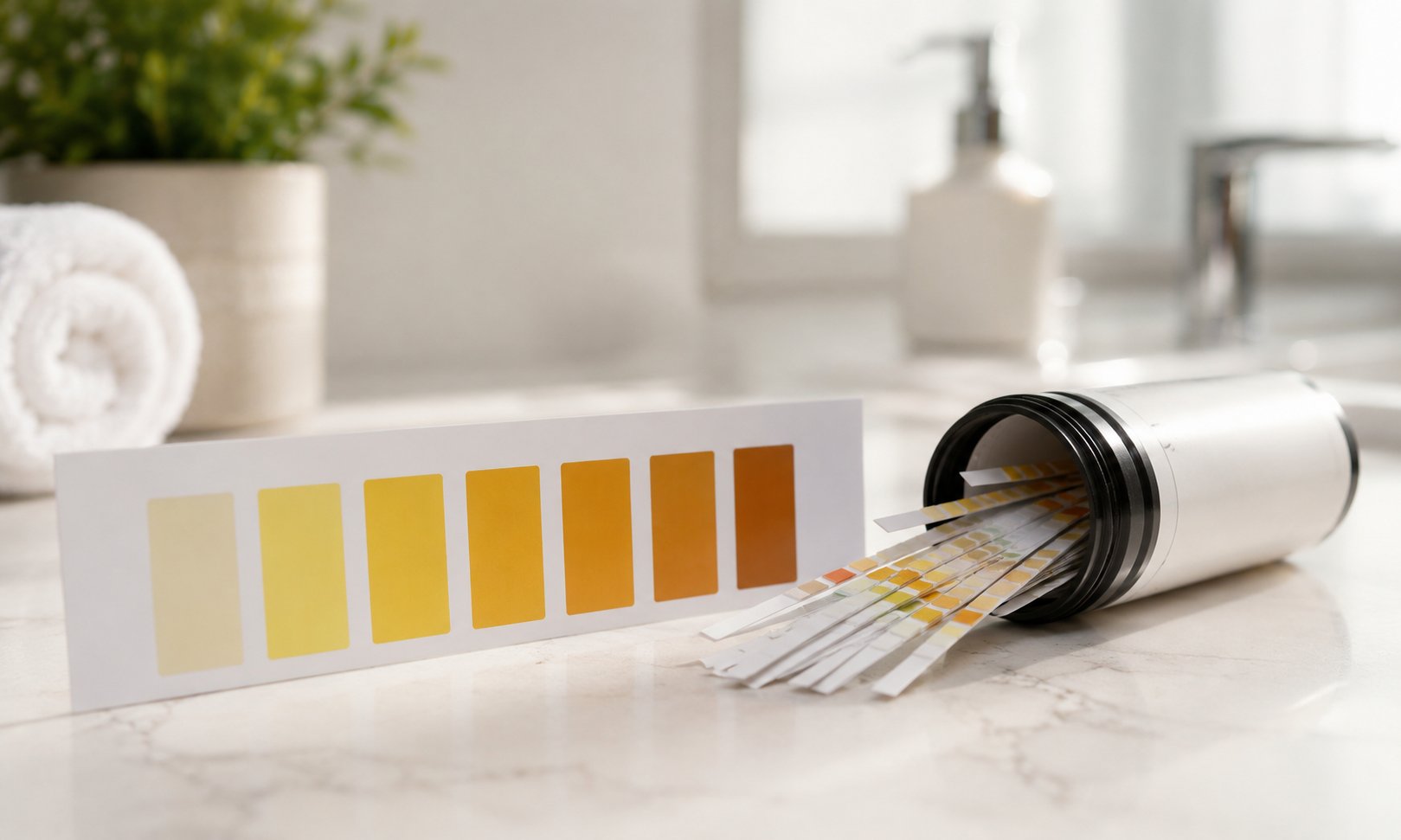
What Your Urine Colour Might Be Telling You
The colour of urine is a basic and easily noticeable sign of your internal health. While it is often closely linked to hydration levels, it can also be influenced by diet, medications, physical activity, and in some cases, underlying medical conditions affecting the kidneys, liver, or urinary tract.
Urine colour variations are usually harmless and temporary. However, paying attention to these changes can help you better understand your body, distinguish normal variations from potential warning signs, and know when it might be time to seek medical advice.
What’s Considered Normal?
Healthy urine typically appears in shades from light yellow to amber. This natural colour comes from a pigment called urochrome, which is produced when the body breaks down haemoglobin from red blood cells.
The exact shade of urine varies throughout the day and is mainly influenced by fluid intake:
- When you drink more water, urine becomes lighter and more diluted.
- Reduced fluid intake leads to darker, more concentrated urine.
It is also normal for urine colour to fluctuate slightly during the day, depending on sweating, exercise, and meals. However, urine colour alone should not be used as a diagnostic tool. It becomes more meaningful when observed alongside other symptoms such as pain, fatigue, or changes in urination frequency.
Hydration Influence
Hydration is the most important factor affecting urine colour.
When the body is dehydrated, the kidneys conserve water, leading to darker urine that may appear deep yellow or even amber. This is a sign that the body is trying to retain fluids.
On the other hand, when you are well-hydrated, urine tends to appear pale yellow or nearly clear. This generally reflects adequate fluid balance.
However, consistently completely clear urine may sometimes indicate excessive water intake, which can dilute essential electrolytes. Persistent dark urine may indicate that you need to increase your daily fluid intake.
A Quick Guide to Urine Colours
Urine colour variations can reflect information about hydration and well-being:
- Pale yellow to amber: Normal and healthy.
- Dark yellow: Often indicates mild dehydration.
- Orange: May be linked to dehydration, certain medications, or sometimes liver or bile duct issues.
- Pink or red: Can be caused by foods such as beetroot, but may also indicate the presence of blood and should not be ignored if persistent.
- Brown (cola-like): May suggest severe dehydration, liver conditions, or muscle breakdown.
- Blue or green: Rare, usually related to medications, food dyes, or specific bacterial infections.
If unusual colours persist for more than a short period or appear without an obvious dietary or medication cause, medical evaluation is recommended.
How Food Can Affect Colour?
Diet plays a significant role in temporary changes in urine colour. Many natural and artificial foods can influence urine without indicating any health problem:
- Beetroot and berries may cause pink or reddish urine.
- Carrots can lead to an orange tint.
- Vitamin B-complex supplements often result in bright yellow urine.
- Asparagus may change both the colour and smell of urine.
- Dark berries and grapes can sometimes create reddish or purplish tones.
- Artificial food colourings may lead to unexpected shades.
- Large amounts of spinach or green vegetables may slightly alter colour in some individuals.
- Turmeric can intensify yellow pigmentation.
These changes are typically temporary and resolve once the food is metabolised and eliminated from the body.
When Could It Signal a Problem?
While many changes are harmless, urine colour can sometimes signal underlying health issues, especially when accompanied by other symptoms.
Possible concerns include:
- Blood in urine (hematuria): May indicate kidney stones, urinary tract infections, or other urinary system conditions.
- Liver problems: Often associated with dark urine and sometimes pale stools or yellowing of the skin.
- Urinary tract infections (UTIs): May cause cloudy urine, strong odour, burning sensation, and frequent urination.
- Kidney issues: Can affect both urine colour and output consistency.
- Muscle breakdown (rare): May lead to very dark, tea- or cola-coloured urine, especially after intense physical exertion.
When to See a Doctor?
You should seek medical guidance if you notice:
- Persistent changes in urine colour lasting more than two days without a clear cause.
- Visible blood in the urine.
- Pain, burning, or discomfort during urination.
- Fever, chills, or unusual fatigue accompany changes in urine.
- Sudden and unexplained changes in urine output or colour.
Early evaluation can help identify potential issues before they progress and ensure appropriate treatment if needed.
Final Thought
Urine colour may seem like a small and often overlooked detail, but it provides valuable insight into your overall health and hydration status. While most changes are harmless and linked to daily habits such as diet and fluid intake, some variations may indicate underlying conditions that require attention.
If something doesn’t look right and the change persists, don’t ignore it and book a consultation with iDoc to get a proper evaluation and identify the underlying cause.