What Stool Colour Reveals About Your Health?
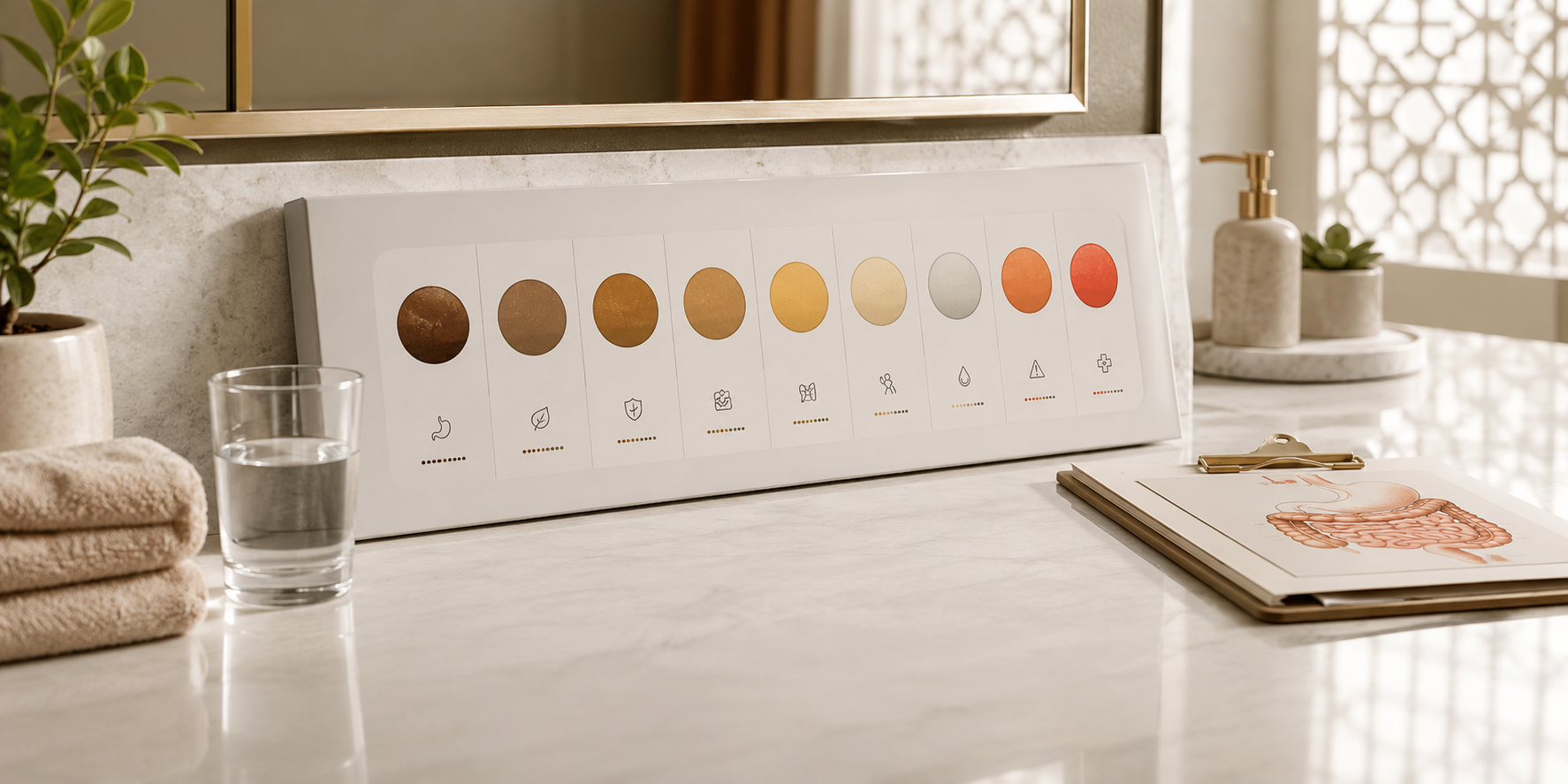
It may seem like a minor detail, but stool colour is actually a useful window into your digestive health. Most changes are harmless and often linked to diet or how quickly food moves through your gut. However, in some cases, colour changes can point to something worth paying attention to.
What’s Considered Normal?
Healthy stool typically ranges from light brown to dark brown. This colour comes from bile, a digestive fluid produced by the liver and stored in the gallbladder. As food moves through the intestines, bile pigments break down and create the characteristic brown colour.
Small variations are normal and can depend on:
- The amount of bile produced.
- The speed of digestion.
- Hydration and diet.
If stool remains within the brown range and no other symptoms are present, it is usually not a cause for concern.
When Colour Changes Are Harmless?
Many everyday factors can temporarily change stool colour without indicating disease.
Diet
- Leafy greens: green stool.
- Beetroot: red or pink stool.
- Carrots: orange stool.
- Artificial food colouring: temporary colour changes.
Supplements and medications
- Iron supplements: dark or black stool.
- Bismuth-containing medications: black stool.
Digestion speed
- Faster digestion (e.g. diarrhoea): green stool, due to incomplete bile breakdown.
For example, eating beetroot may lead to a reddish tint the following day. If no other symptoms appear, this is usually temporary.
When Colour Might Signal a Problem?
Some stool colour changes may require attention, especially if they persist or are accompanied by other symptoms:
- Green stool: Often harmless, but persistent cases with diarrhoea may suggest infection or digestive issues.
- Yellow stool: May indicate fat malabsorption, especially if greasy and foul-smelling.
- Red stool: If not food-related, it could indicate bleeding in the lower digestive tract.
- Black stool: Sometimes caused by medication, but may also indicate upper digestive bleeding.
- Pale or clay-coloured stool: May suggest reduced bile flow, possibly related to liver or gallbladder issues.
How Food Influences Stool Colour?
Diet has a strong and often immediate impact on stool appearance:
- Spinach and leafy greens, green stool within 24 hours.
- Beetroot and red foods temporary red or pink stool.
- High-fat meals, lighter or yellowish stool.
These changes usually resolve within 1–3 days as digestion normalises.
Role of Gut Transit Time
The speed at which food moves through the digestive system also affects colour:
- Normal transit: brown stool.
- Faster transit: green stool.
Green stool is commonly associated with:
- Diarrhoea.
- Irritable bowel conditions.
- Gastrointestinal infections.
Does Stool Texture Matter Too?
Yes, texture provides additional clues:
- Greasy or shiny stool, possible fat malabsorption.
- Loose or watery stool, infection or food intolerance.
- Hard stool, constipation.
When both colour and texture change together, it becomes more important to observe closely.
Can Medications Affect Stool Colour?
Yes. Several medications can influence stool appearance:
- Antibiotics may alter gut bacteria and stool consistency.
- Antacids can sometimes change stool colour.
- Iron supplements commonly darken stool.
Children vs Adults
Stool colour changes can have different meanings depending on age:
- Children: Green or yellow stool is often normal, but pale or white stool should be evaluated.
- Adults: Persistent or unexplained changes should be monitored more closely.
When to Wait and When to Act?
Wait and observe if:
- The change is temporary.
- It is clearly linked to diet.
- No other symptoms are present.
Seek medical advice if:
- Changes last more than 3–4 days.
- There is no clear dietary explanation.
- Symptoms such as pain, fatigue, or weight loss appear.
How Doctors Investigate?
If needed, a doctor may recommend:
- Stool analysis.
- Occult blood test.
- Liver function tests.
- Imaging studies.
Quick Self-Check
Before worrying, ask yourself:
- Did my diet cause this change?
- Is this temporary?
- Are there any other symptoms?
Most harmless cases can be explained by a recent diet and resolve quickly.
Common Misconceptions
A few important clarifications:
- Green stool does not always mean infection.
- Black stool is not always dangerous.
- Stool colour alone is not enough for diagnosis.
Context always matters more than appearance alone.
Keeping Your Gut Healthy
Simple habits support healthy digestion:
- Eat a balanced, fibre-rich diet.
- Stay well hydrated.
- Limit highly processed and fatty foods.
- Pay attention to persistent changes.
When to See a Doctor?
Seek medical advice if you notice:
- Persistent colour changes.
- Repeated red, black, or pale stool.
- No dietary explanation.
- Symptoms include pain or sudden, unexpected weight loss.
Final Thought
Stool colour is not a comfortable topic, but it is a useful indicator of digestive health. Most changes are temporary and harmless, while others may signal something that needs attention. What matters most is the pattern over time, not a single observation.
If something feels unusual and doesn’t resolve, book a consultation with iDoc to provide clarity and reassurance.