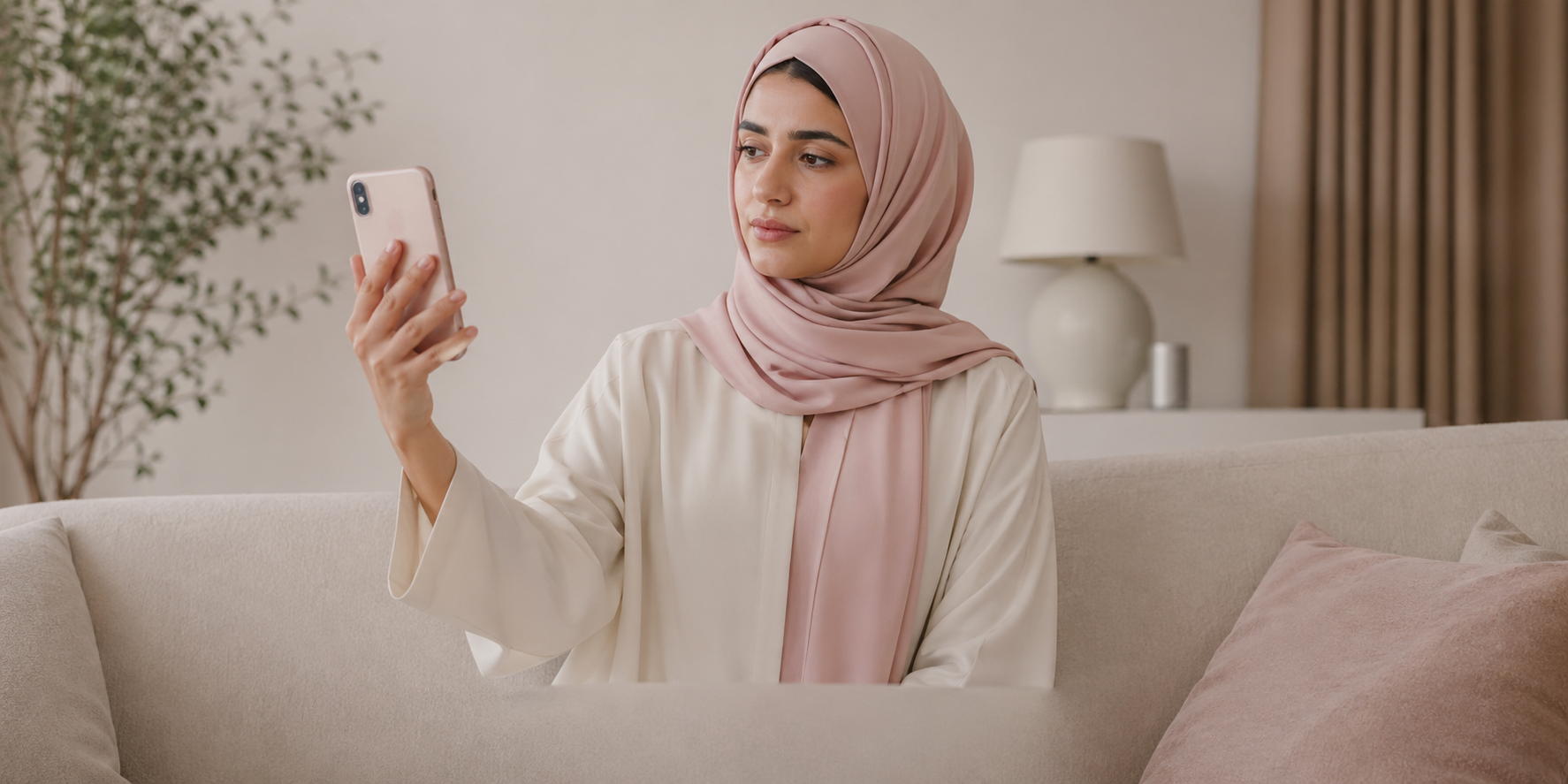
How Social Media Shapes Your Self-Image: Between Likes and Reality
You may open your phone for just a few minutes, only to find yourself scrolling through an endless stream of seemingly perfect lives, fit bodies, frequent travel, and constant achievements. With repeated exposure, this stops being casual browsing and begins to influence how you see yourself and evaluate your own life.
Social media is no longer just a communication tool. It has become a space for constant comparison, and sometimes an inaccurate mirror through which we judge our worth and accomplishments.
Why Do We Compare Ourselves to Others?
Comparison is a natural human tendency. However, social media amplifies it and makes it constant, and often unbalanced.
What you see online is not a full life, but a curated version of it. This leads to what psychologists call comparison upward, measuring your everyday reality against someone else’s highlight reel.
For example, seeing influencers or friends during moments of success or travel may make your life feel less exciting or less accomplished, even though you’re only seeing a selective snapshot of theirs.
Over time, repeated exposure to this pattern can gradually reshape your self-image without you even noticing.
Filters and Unrealistic Beauty Standards
Photo editing tools and filters have created a new, and often unrealistic, standard of beauty. With a single tap, skin can appear flawless, features can be altered, and body shape can be enhanced.
The issue isn’t the tools themselves, but perceiving the final images as real.
For instance, someone may compare themselves to heavily edited photos and feel less attractive, even though the comparison is inherently unfair. Over time, the brain may begin to accept these altered images as the normal standard, which can push individuals toward unnecessary cosmetic or medical solutions to match them.
Psychology of Likes and Comments
Social media platforms are built around instant feedback, likes, comments, and shares.
When you receive engagement, the brain releases dopamine, creating a temporary sense of satisfaction. The problem begins when this feedback becomes a measure of self-worth.
- High engagement may boost confidence.
- Low engagement may lead to frustration or self-doubt.
Gradually, self-esteem can shift from being internally grounded to externally dependent on fluctuating numbers.
Impact on Confidence and Mental Health
With frequent and prolonged use, social media can contribute to subtle but cumulative psychological effects, such as:
- Lower self-confidence.
- Increased anxiety.
- Ongoing dissatisfaction with oneself.
Comparing everyday life to filtered, idealized content may create the impression that your achievements are not enough, even when they are meaningful and realistic.
That said, these effects are not inevitable. They depend largely on how consciously and intentionally social media is used.
Social Media Isn’t Always Negative
Despite its challenges, social media can also be a source of support and positivity when used mindfully. It can offer:
- Supportive communities with shared experiences.
- Content that promotes self-acceptance.
- A space for expression and connection.
Following accounts that focus on mental well-being or body acceptance can help improve self-image rather than harm it.
Who Is Most Affected?
Teenagers and young adults tend to be more vulnerable to the effects of social media, as they are in a critical stage of identity formation.
At this stage:
- Peer opinions carry more weight.
- Sensitivity to social comparison increases.
- Digital feedback may be interpreted as acceptance or rejection.
Some adolescents may link the number of likes directly to their sense of social acceptance, which can significantly impact their confidence.
How to Protect Your Self-Image?
You can reduce the negative impact of social media through simple, practical habits:
- Limit daily screen time.
- Follow realistic and positive content.
- Take regular breaks from apps.
- Focus more on real-life activities and interactions.
For example, replacing scrolling time with a hobby or social activity can help improve mood and restore psychological balance.
Signs You Should Pay Attention To
It may be time to reassess your social media use if you notice:
- Persistent dissatisfaction with yourself.
- Anxiety related to posting or engagement.
- A tendency to withdraw from real life.
- Noticeable mood changes linked to usage.
In such cases, reducing exposure or seeking professional support may be helpful.
Final Thoughts
Social media can be a source of inspiration or pressure. The difference depends on how you use it.
What you see online is often a filtered version of reality, not the full picture. Being mindful of this can help you protect your self-image and choose what truly aligns with your values and well-being.
If you feel that social media is affecting your confidence or how you see your life, consider booking a consultation through iDoc. Personalized guidance can help you rebuild inner confidence and maintain a healthier mental and emotional balance.