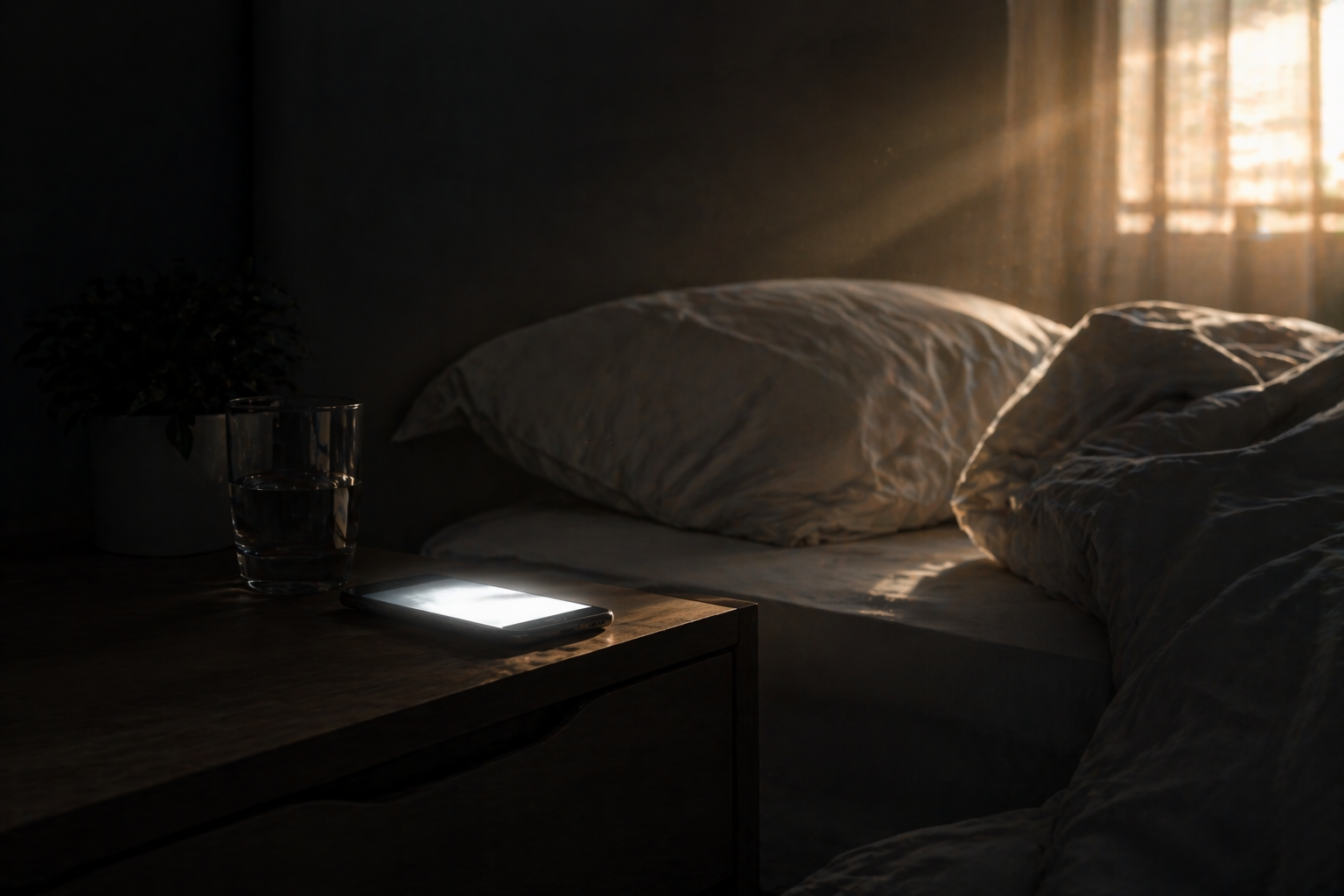
Too Much Screen Time? Here’s How It Affects Your Body and Mind
Smartphones are now an essential part of modern daily life. We use them from the moment we wake up, throughout work, and even before going to sleep. They have made communication, work, and entertainment much easier.
However, as screen time increases, many questions have emerged about its impact on our physical and mental health.
In this article, we explore how excessive phone use affects both the body and the mind, and how you can maintain a healthy balance without giving it up.
When Does Phone Use Become Too Much?
There is no specific number of hours that applies to everyone, as it depends on how the phone is used. There is a difference between using your phone for work or learning and spending long hours mindlessly scrolling.
The key factor is not just time, but its impact on your life. Does it affect your sleep, focus, or interactions with others?
If you notice that your phone is consuming a large portion of your time or reducing your productivity, it may be time to rethink your usage habits.
Physical Effects of Phone Use
Using your phone for long hours can lead to several physical effects, including:
- Eye Strain
Spending too much time looking at screens can cause eye strain, leading to dryness, blurred vision, and headaches.
- Neck and Back Pain
Looking down at your phone for extended periods increases pressure on the neck and spine, often referred to as “text neck.” This may appear as stiffness or pain after prolonged use.
- Sleep Disruption
The blue light emitted from screens can interfere with melatonin, the hormone responsible for regulating sleep, which may lead to:
- Difficulty falling asleep.
- Poor sleep quality.
Using your phone just before going to sleep can make it more difficult to drift off.
- Reduced Physical Activity
The more time you spend on screens, the less you move. With time, this behavior may also be associated with weight gain and other health problems.
How Does Phone Use Affect Mental Health?
As dependence on smartphones increases, their impact is no longer limited to physical health. It also affects mental well-being, focus, and social interaction.
- Increased Stress and Anxiety
Constant notifications and continuous information flow keep the brain in a state of alertness, which can gradually raise stress levels.
- Lower Mood
Excessive use of social media may lead some people to compare themselves to others, negatively affecting self-esteem and overall satisfaction.
- Reduced Focus
Frequent switching between apps and constant notifications can weaken your ability to concentrate for long periods.
For example, if you check your phone repeatedly while working, it’s natural for your productivity and focus to decline.
- Weakened Real-Life Interaction
While phones are essential for communication, excessive use can reduce face-to-face interaction.
Despite the convenience of digital communication, real-life relationships remain deeper and more meaningful.
How Does Phone Use Affect Sleep?
Sleep is one of the most affected aspects of excessive phone use, especially at night. It may lead to:
- Difficulty falling asleep.
- Interrupted sleep.
- Feeling tired the next day.
Although using your phone before bed may feel relaxing, it actually keeps your brain active and delays relaxation.
Is Phone Use Always Harmful?
When used in moderation, smartphones can be beneficial and not harmful in all cases. Ultimately, what matters most is how you decide to use them:
- Healthy use: for work, learning, or communication.
- Excessive use: long hours of aimless scrolling without purpose.
Signs You’re Using Your Phone Too Much
Sometimes we don’t notice how much we use our phones, but there are clear signs that indicate overuse. Recognizing them is the first step toward change:
- Using your phone constantly without awareness or purpose.
- Difficulty concentrating on daily tasks.
- Sleep disturbances or trouble falling asleep.
- Feeling anxious or uncomfortable when away from your phone.
How to Reduce Phone Use?
You can regain balance by following simple and effective steps. Even reducing phone use by one hour per day can noticeably improve sleep quality and focus:
- Set a specific daily limit for phone usage.
- Turn off unnecessary notifications.
- Avoid using your phone before bedtime.
- Replace some screen time with physical or social activities
- Track your daily screen time.
When Should You Be Concerned?
It’s important to pay attention to how you use your phone:
- Continuously affects your sleep quality.
- Causes stress or mood changes.
- Leads to physical pain, such as neck or eye discomfort.
- Interferes with daily responsibilities.
In such cases, you may need to adjust your habits or seek professional advice.
Final Thoughts
Smartphones have become fully embedded in our everyday lives. However, excessive use can negatively affect both physical and mental health.
The goal is not to eliminate phone use, but to use it mindfully and in moderation, while prioritizing good sleep, regular physical activity, and meaningful real-life connections. Small changes in your daily habits can make a big and noticeable difference in your overall quality of life.
If you notice that phone use is affecting your mental or physical health, don’t ignore it. Book an instant or scheduled consultation through iDoc to receive expert guidance and practical advice to help you regain balance and improve your well-being.