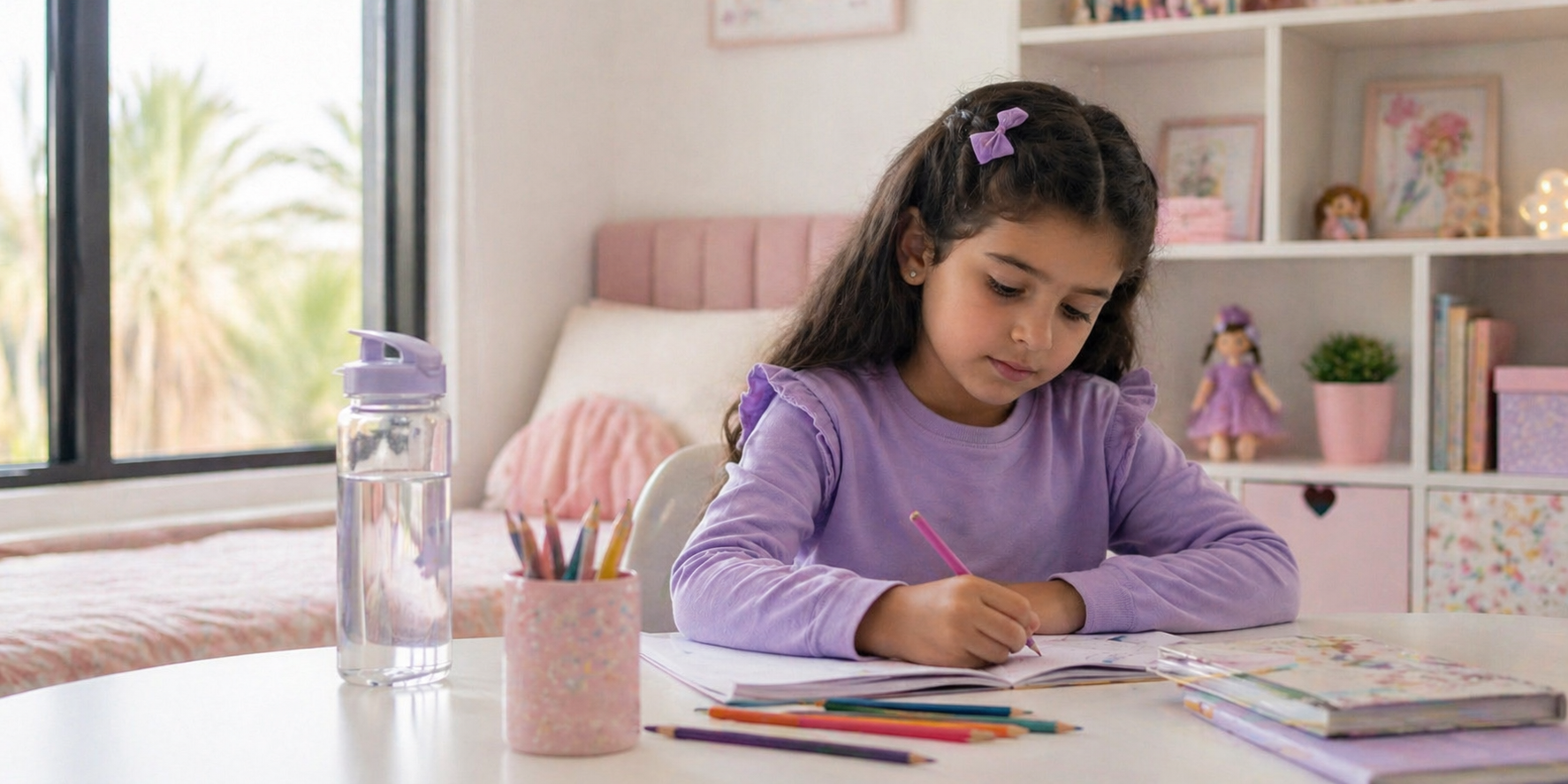
Why Children Need More Water Than You Might Expect?
Water isn’t just a daily drink; it’s a vital element your child’s body needs to function properly. It supports movement, focus, and energy throughout the day.
The challenge is that children often don’t notice thirst in time. They may get so absorbed in playing or studying that they forget to drink water. Over time, the effects of this can gradually appear.
So, it’s important to understand the role of water in your child’s body. Even mild dehydration can start with small, avoidable issues that may worsen if ignored.
Why Does Your Child’s Body Need Water?
Water makes up a large portion of a child’s body and is essential for maintaining vital functions. It helps with:
- Transporting nutrients to cells.
- Regulating body temperature.
- Supporting blood circulation.
- Removing waste.
When fluid levels drop, blood volume may decrease, which can make a child feel tired or dizzy.
Children also lose fluids faster than adults and don’t replace them as efficiently. So, consistent hydration is a necessity, not just an option.
How Does Dehydration Affect Your Child’s Body?
Water is not just about quenching thirst; it plays a key role in daily body functions. A lack of it can affect your child in several ways:
- Brain and Focus
Even mild dehydration can reduce focus and affect memory. If your child doesn’t drink enough water, especially during school or in hot weather, they may feel tired and struggle to concentrate.
- Energy Levels
Water supports healthy blood flow, ensuring oxygen and nutrients reach cells efficiently, helping maintain energy.
- Body Temperature Regulation
Children lose fluids quickly through sweating, especially during play or in hot weather. Replacing these fluids is essential to maintain temperature balance.
- Digestion
Water plays an important role in supporting digestion and helping prevent constipation.
- Physical Activity
Low fluid levels can lead to fatigue and reduced performance during play or daily activities.
- Mood
Dehydration can cause mood changes, including irritability and difficulty focusing.
Why Are Children More Prone to Dehydration?
Children’s bodies differ from adults, making them more vulnerable to fluid loss due to:
- Lower fluid reserves.
- Faster fluid loss.
- Delayed awareness of thirst.
A child may play for long periods without asking for water, increasing the risk of dehydration and fatigue.
Common Causes of Dehydration in Children
Dehydration develops when the body loses more fluids than it consumes. Some everyday situations can increase this risk, such as:
- Fever: Increases fluid loss.
- Vomiting or diarrhea: Causes rapid loss of water and electrolytes.
- Hot weather: Leads to more sweating.
- Physical activity: Playing or exercising increases fluid loss.
For example, when a child plays outside on a hot day, sweating increases, leading to fluid loss and a higher risk of dehydration.
How to Recognize Signs of Dehydration?
Early signs of dehydration may be mild but are important to notice, including:
- Dry mouth or lips.
- Dark-colored urine.
- Reduced urination.
- Fatigue or low activity.
- Irritability or mood changes.
- Dizziness.
You may notice your child becoming quieter than usual or less engaged; this may not just be tiredness, but a sign of low fluid levels.
When Does Dehydration Become Dangerous?
Dehydration can progress from mild to serious and may require immediate medical attention. Warning signs include:
- Very little or no urination.
- Severe fatigue or weakness.
- Sunken eyes.
- Rapid heartbeat.
- Confusion or unusual drowsiness.
In such cases, seek medical attention immediately.
How much water do children need each day?
There is no fixed amount suitable for all children. Water needs vary depending on:
- Age.
- Activity level.
- Weather.
- Health status.
The key is to encourage your child to drink water regularly throughout the day, not just when they feel thirsty.
How to Keep Your Child Hydrated Easily?
Keeping your child hydrated doesn’t require complicated steps. Small everyday habits can make a great difference:
- Offer water regularly throughout the day.
- Encourage small, frequent sips.
- Keep a water bottle within easy reach.
- Provide water-rich foods like fruits.
- Increase fluid intake in hot weather or during activity.
- Build a consistent hydration routine.
The goal isn’t to force your child, but to help them develop a natural habit of drinking water.
When Should You See a Doctor?
Some situations require medical evaluation to prevent complications, especially if signs of worsening dehydration appear, such as:
- Not urinating for a long time.
- Persistent vomiting or diarrhea.
- Inability to drink fluids.
- Severe drowsiness or confusion.
Final Thoughts
Water is not just a way to quench thirst; it’s essential for your child’s daily health. It supports focus, energy, digestion, and overall balance. Dehydration doesn’t have to be severe to have an impact; even mild dehydration can affect your child’s mood and daily performance.
Since children are more prone to fluid loss than adults, encouraging regular water intake is key. Help your child build hydration into their daily routine naturally.
If you notice your child is less attentive or showing signs of dehydration, don’t ignore it. You can book an instant or scheduled consultation through iDoc to get an accurate assessment and personalized advice to support your child’s health and well-being.