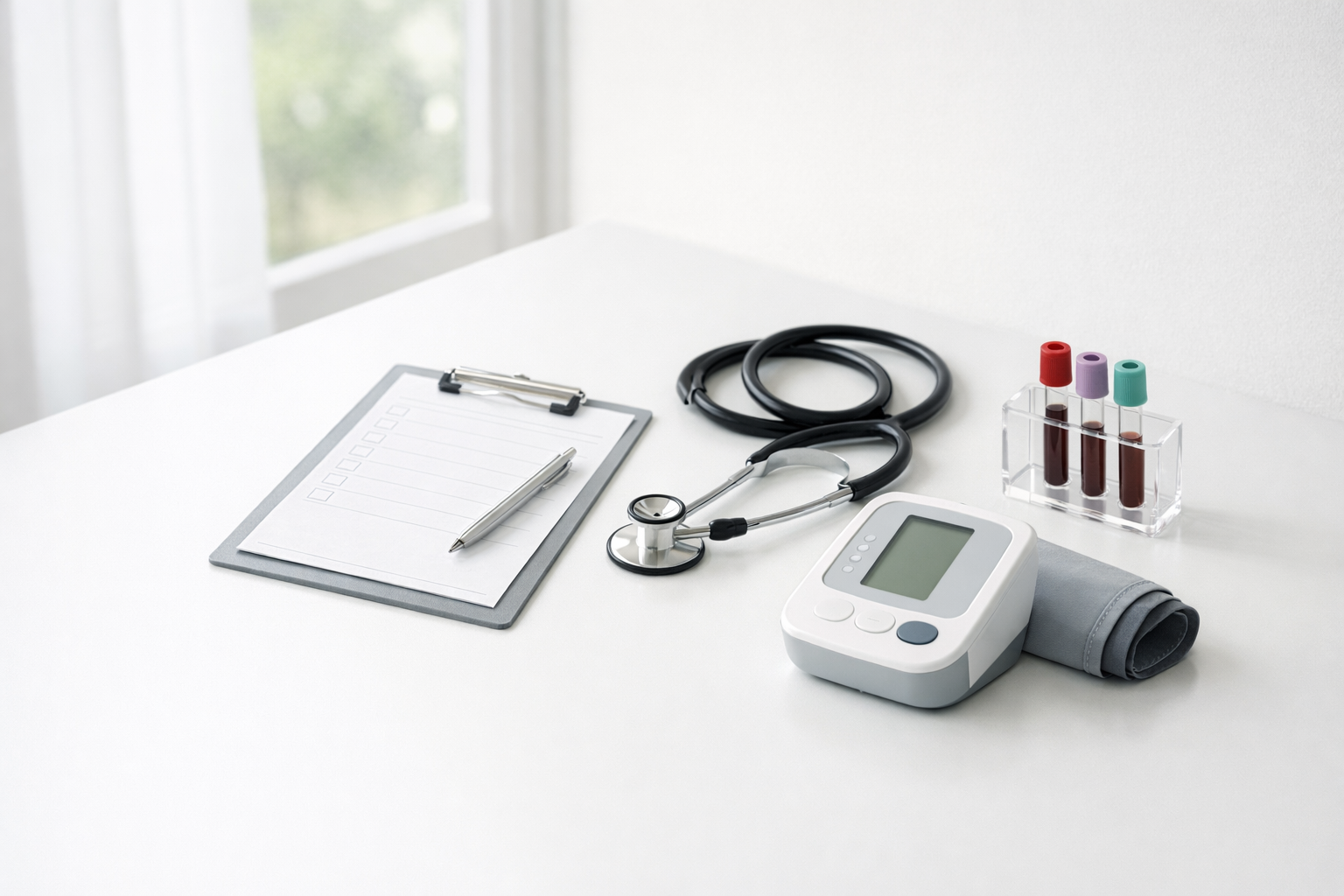
Turning 30? Here Are the Medical Tests You Shouldn’t Skip
Turning 30 may feel like just another number, but for your body, it marks the beginning of a new phase. Your health is no longer influenced only by daily activity; it’s also shaped by your lifestyle, diet, and even stress levels.
These effects often develop silently, without obvious early signs, which makes regular check-ups essential and not something to overlook.
In this article, we’ll explore the most important tests recommended after age 30 and why they are a key step in maintaining your health and detecting potential issues early.
Why Health Screenings Matter More After 30?
As you enter your thirties, the impact of lifestyle factors, such as nutrition, physical inactivity, and daily stress, becomes more noticeable on your body. At the same time, some chronic conditions may begin to develop gradually without clear symptoms.
That’s why medical guidelines emphasize early screening. It improves treatment outcomes and reduces complications. Many people discover conditions like high blood pressure or prediabetes during routine tests, not because they had symptoms.
So, regular health check-ups are not a cause for concern. They are a smart, proactive step toward long-term well-being.
1. Blood Pressure Check
Monitoring blood pressure is one of the most important tests after 30. It’s often called the silent killer because it usually doesn’t cause noticeable symptoms.
That’s why it’s recommended to check it regularly, typically once every 1 to 2 years if your readings are normal.
Many people believe they are perfectly healthy. They only discover elevated blood pressure during a routine check. Early detection allows timely intervention and helps prevent complications.
2. Blood Sugar Test
Blood sugar testing includes fasting glucose or HbA1c (average blood sugar levels over time). It helps detect diabetes or prediabetes early.
This test becomes especially important if you:
- Have a family history of diabetes.
- Are overweight.
- Have a sedentary lifestyle.
In many cases, the elevated blood sugar is detected before any symptoms appear, giving you a real chance to adjust your lifestyle and prevent progression.
3. Cholesterol Test
This test measures different types of fats in your blood, including:
- LDL (bad cholesterol).
- HDL (good cholesterol).
- Triglycerides.
Cholesterol levels can start rising in your early thirties due to diet, stress, or genetics, often without any warning signs.
It’s generally recommended to repeat this test every 4 to 6 years, or more frequently depending on your health status, to help prevent heart disease and related complications.
4. Weight, BMI, and Metabolic Health Check
Maintaining a healthy weight can become more challenging in your thirties due to changes in metabolism and lifestyle.
Weight gain often happens gradually, but over time it can impact your overall health if not addressed.
Doctors typically assess:
- Body Mass Index (BMI).
- Waist circumference.
These indicators are closely linked to the risk of heart disease and diabetes. Monitoring them is not just about appearance, it’s about protecting your long-term health.
5. Cancer Screenings
Certain cancer screenings become more important during this stage of life, depending on your gender and personal risk factors.
- For women:
Pap smear tests help detect cervical cancer early, along with regular breast health monitoring. - For men:
Paying attention to any changes in the testicles and performing regular self-examinations is recommended.
Early detection significantly increases treatment success, even when no symptoms are present. Screening schedules may vary based on your medical history.
6. Thyroid Function Test
Thyroid disorders are relatively common, especially in women. They can affect energy levels, weight, and mood.
Symptoms may include:
- Unexplained fatigue.
- Weight changes without a clear reason.
Because these symptoms are often vague, routine blood tests are an effective way to detect thyroid issues and reach an accurate diagnosis.
7. Vitamin Deficiency Tests
Deficiencies in certain vitamins, such as vitamin D and vitamin B12, can affect your overall health.
Testing may be recommended if you experience:
- Persistent fatigue.
- Low energy.
- Poor or unbalanced diet.
- Limited sun exposure.
Is Mental Health Screening Necessary?
Your thirties often come with increased responsibilities, career demands, financial pressure, and family commitments. This makes mental health just as important as physical health.
Many people get used to stress or anxiety and consider it a normal part of life. However, early awareness can significantly improve your quality of life.
Mental health evaluation may include:
- Simple questionnaires.
- A discussion with your doctor.
How Often Should You Get Tested After 30?
Screening frequency depends on your health status and risk factors, but general recommendations include:
- Blood pressure: every 1–2 years.
- Blood sugar: every 3 years (or as needed).
- Cholesterol: every 4–6 years.
- Pap smear: every 3 years (or as advised by your doctor).
These are general guidelines, not strict rules. Regular follow-up helps adjust the schedule based on your results and ensures the best possible care.
Final Thoughts
Your thirties are a key stage to reset your health priorities, where prevention becomes more important than treatment. Don’t wait for symptoms to appear. Stay consistent with regular check-ups, understand your personal risk factors and make small, sustainable lifestyle changes.
These steps can help you maintain your physical and mental health at their best.
Don’t wait for symptoms to appear, monitor your health indicators easily through iDoc kiosk and get quick readings to stay reassured about your health on an ongoing basis.