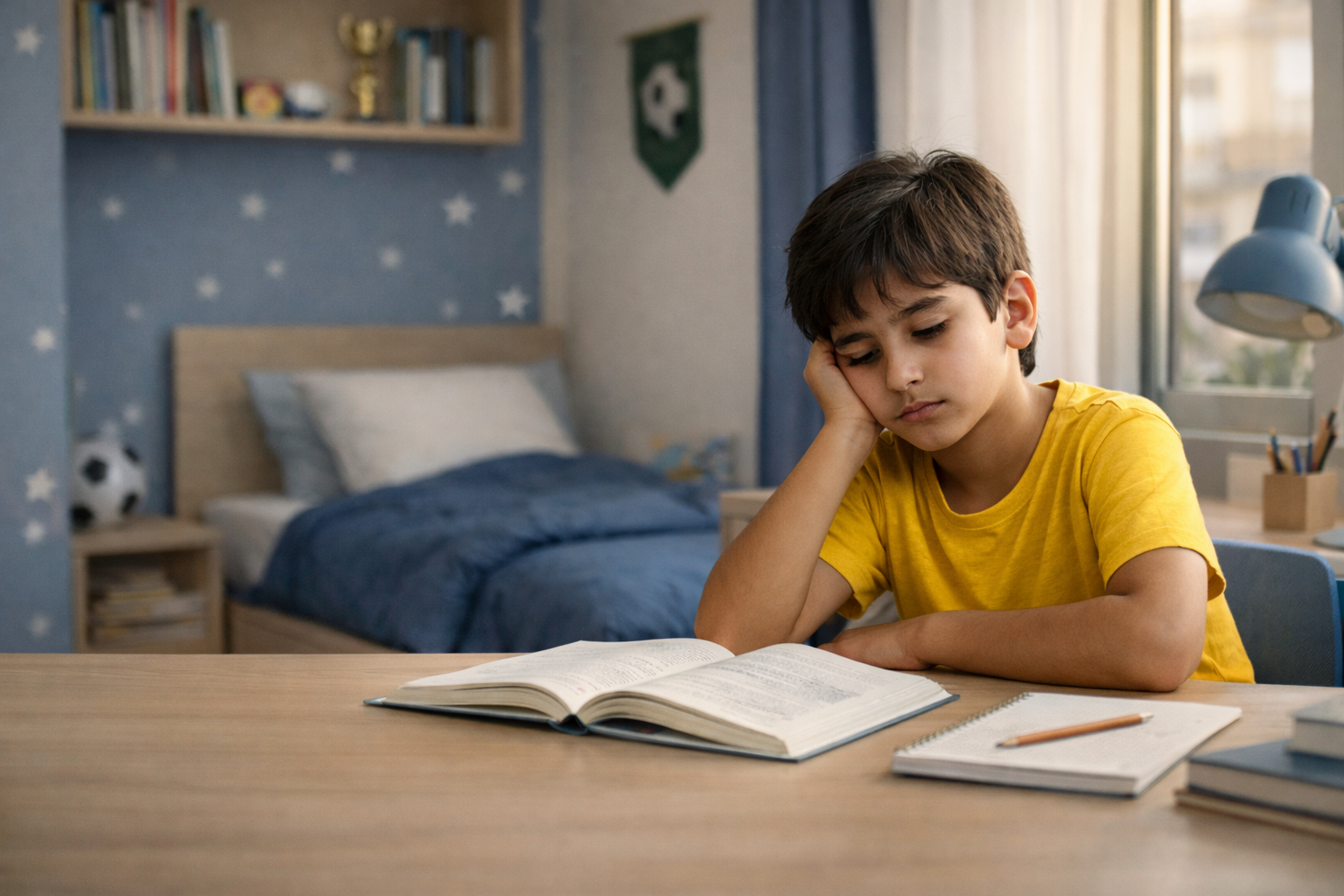
Is School Stress Harming Your Child? Signs Every Parent Should Know
School is meant to be a safe space where children learn, build skills, and grow in confidence. But for some children, the reality looks different. School can become a constant source of pressure.
Between exams, homework, and social challenges, a child may experience stress that goes unnoticed by parents, yet still affects their physical health, emotional well-being, and even academic performance.
In this article, we explore how school stress impacts a child’s physical and mental health, the signs that may indicate they are struggling, and what parents can do to support their child and help them manage stress healthily.
What Is School Stress?
School stress refers to the physical and emotional pressure a child experiences due to academic demands and school life.
It’s not just about exams. Stress can also arise from:
- Heavy homework and limited time.
- Difficulty understanding certain subjects.
- Fear of failure or not meeting expectations.
- Social challenges, such as making friends or dealing with bullying.
You might notice that a child who once enjoyed school suddenly resists going, especially during exam periods. In many cases, the issue isn’t the school itself, but the pressure the child feels.
How Can You Tell If Your Child Is Stressed?
Children don’t always express stress verbally, but their behavior and physical symptoms often reveal what they’re going through. Common signs include:
- Frequent complaints of headaches or stomach aches (especially before school).
- Sleep disturbances or nightmares.
- Irritability and mood swings.
- Avoiding school or making excuses.
- Difficulty concentrating.
For instance, your child might experience stomach aches every Sunday evening before the school week starts, even if there’s no obvious medical reason.
How Stress Affects Your Child’s Physical Health?
Stress is not just a mental experience; it also impacts the body. When a child is under constant pressure, the body enters a continuous “fight-or-flight” state. Over time, this can lead to:
- A weakened immune system makes the child more prone to illness.
- Issues with digestion, like nausea, abdominal pain, or lack of appetite.
- Sleep problems, including difficulty falling asleep or frequent waking.
- Persistent fatigue, even after adequate rest.
For instance, a child may sleep poorly and lose their appetite during exams, then develop a cold afterwards. In many cases, stress is the underlying cause.
How School Stress Affects Mental and Emotional Health?
School stress can significantly impact a child’s emotional well-being, especially if it continues over time. It may lead to:
- Constant feelings of anxiety.
- Feeling inadequate or having low self-worth.
- Sadness or a tendency toward depression.
- Emotional exhaustion.
Imagine a child who studies hard but never feels satisfied with their effort. Instead of feeling accomplished, they feel more anxious and pressured, which can harm their confidence and reduce their enjoyment of learning.
Why Does Performance Decline Despite Studying?
Excessive stress can reduce academic performance rather than improve it. When a child experiences continuous stress:
- Their concentration weakens.
- Their ability to remember information declines.
- They may avoid studying altogether.
- They may feel confused or overwhelmed during exams.
As a result, a child may spend hours studying but struggle to remember information during exams due to anxiety, or procrastinate because the workload feels overwhelming.
What Happens If Stress Continues?
If school stress is not addressed, it may lead to long-term effects, such as:
- Chronic anxiety disorders.
- Ongoing sleep problems.
- Emotional exhaustion during adolescence.
- Unhealthy coping behaviors.
A child who grows up under constant pressure may carry this stress into adulthood, making it harder to handle work and life challenges later on.
How can you support your child in managing stress?
Parents play a crucial role in reducing school-related stress. Here are some practical steps:
- Create a safe space for conversation: Let your child express their feelings freely without fear of criticism. For example, ask your child if he has any troubles or difficulties today, rather than asking about studying.
- Focus on effort, not just results: Praise your child’s effort, not just their grades. This reduces fear of failure and builds confidence.
- Encourage balanced time management: Avoid overloading your child with tasks. They need time to rest and play.
- Support healthy habits: Ensure your child gets enough sleep, eats a balanced diet, and stays physically active.
- Teach simple relaxation techniques, Such as deep breathing or taking short breaks.
- Seek help when needed: If stress is severe or persistent, consult a mental health professional or school counsellor.
When Should You Be Concerned?
School stress is a normal part of childhood, but it becomes concerning when it starts affecting your child’s health or behavior. Consider consulting a doctor if you notice:
- Frequent physical complaints like headaches or stomach pain without a clear cause.
- Withdrawing socially or losing interest in activities.
- A sudden drop in academic performance or difficulty concentrating.
- Persistent feelings of anxiety or sadness.
Final Thoughts
School stress is more common than many parents realize, and it doesn’t always appear in obvious ways. Sometimes, it shows up as mild stomach pain, irritability, or a lack of interest in daily activities. These behaviors are your child’s way of showing that something is wrong.
Stay close, stay supportive. The goal isn’t to eliminate stress, but to help your child learn how to manage it in a healthy and balanced way.
If you notice that your child is experiencing persistent stress due to school or academic pressures, book an immediate or scheduled consultation through iDoc to receive an accurate assessment of their condition and practical, personalized advice to help them manage stress effectively.