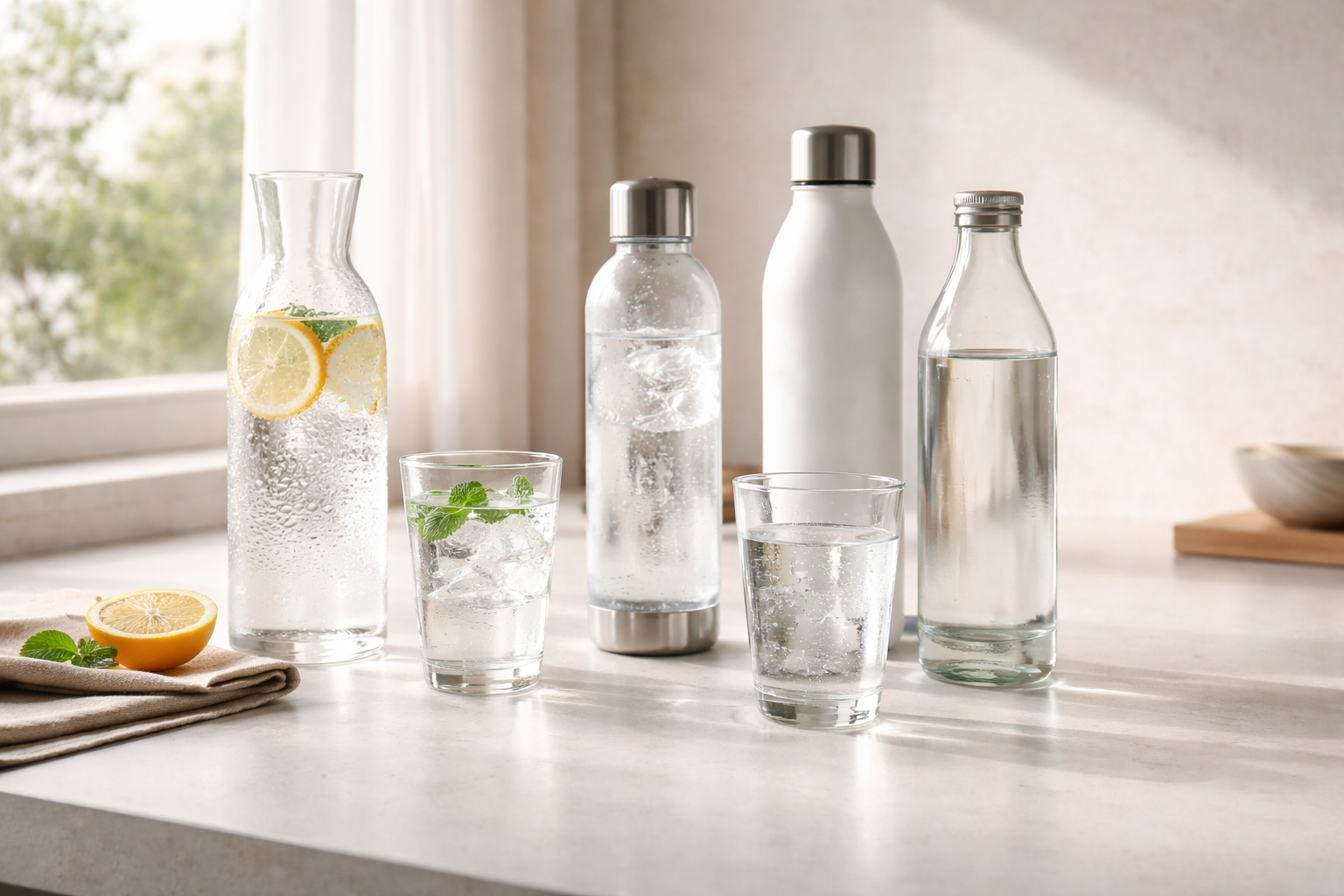
Never Forget to Drink Water Again: Simple Daily Habit Hacks
Many people underestimate the importance of drinking water. Some even believe that staying properly hydrated every day is difficult or requires a lot of effort. As a result, a full day may pass with only a few sips of water, sometimes not even reaching one liter. Over time, this neglect can lead to various health problems, such as dehydration or kidney issues.
That’s why it’s important to first understand why your body constantly needs water, how much you actually need, and how to turn hydration into a simple, consistent daily habit.
Why Your Body Needs Water?
Water is not just a thirst quencher; it’s a vital component of the human body. It makes up about 50–65% of body weight and is found in cells, tissues, muscles, organs, and bones. Beyond that, water is essential for many critical bodily functions. When your intake drops, these processes can be noticeably affected.
Your body naturally loses fluids every day through sweating, breathing, metabolism, and waste elimination. That’s why regular fluid replacement is necessary to maintain internal balance and keep organs functioning properly.
Key benefits of water include:
- Regulates body temperature.
- Lubricates joints and tissues.
- Protects sensitive organs like the brain and spinal cord.
- Supports digestion and nutrient absorption.
- Helps produce bodily fluids such as saliva, tears, sweat, and urine.
Another advantage? Water contains zero calories, so it doesn’t affect body weight.
What Happens When You Don’t Drink Enough?
When your body loses more fluids than it takes in, dehydration can begin to develop. Common early signs include:
- Headaches.
- Fatigue or dizziness.
- Dry mouth.
- Poor concentration.
- Mood changes.
Some groups are more vulnerable to dehydration, including:
- Children and older adults.
- People who exercise outdoors.
- Those with illnesses causing fever or diarrhea.
In severe cases, dehydration can lead to serious complications like kidney or heart problems, and may even become life-threatening if not addressed quickly.
Hidden Benefits of Staying Hydrated
Drinking water may seem simple, but its benefits are powerful.
For example, it helps prevent dehydration and regulate body temperature, especially in hot weather or during physical activity. It also supports smooth digestion and reduces the risk of constipation.
Water plays a key role in flushing out waste and toxins through urine and bowel movements. It also supports kidney health by promoting regular urination and reducing the risk of kidney stones and urinary tract infections. Additionally, many people notice improved mood, better focus, and fewer headaches when they stay well hydrated.
How Your Body Uses Water?
Your body cannot produce enough water to compensate for daily losses, so it relies mainly on fluids from food and drinks.
Interestingly, about 20% of your daily fluid intake comes from food, especially fruits and vegetables that are high in water content.
Your hydration needs aren’t fixed; they can increase in situations like:
- Physical activity.
- Hot weather.
- Fever, vomiting, or diarrhea.
- Living at high altitudes.
Why People Forget to Drink Water?
Busy schedules and daily stress are common reasons people neglect hydration. Many don’t think about drinking water until they feel thirsty, and thirst itself varies from person to person.
Older adults, in particular, may not feel thirst as strongly, increasing their risk of dehydration. Others focus heavily on calories, protein, or sugar in their diet while overlooking hydration. Conflicting advice about how much water to drink can also confuse.
Some people even assume that coffee, tea, or sugary drinks can fully replace water, which isn’t always the case.
How Much Water Do You Really Need?
There’s no one-size-fits-all answer. Your needs depend on factors like:
- Age.
- Body weight.
- Activity level.
- Health status.
- Weather and temperature.
- Diet.
However, general guidelines from the National Academies suggest:
- Men: about 3.7 liters of fluids daily.
- Women: about 2.7 liters daily.
This includes fluids from both food and beverages. Since about 20% comes from food, the recommended intake from drinks alone is roughly:
- Men: about 13 cups.
- Women: about 9 cups.
A simple way to check your hydration is to look at your urine color:
- If it is pale yellow, you are well hydrated.
- A dark yellow color usually indicates that you may need to increase your water intake.
Can You Drink Too Much Water?
Although water is essential, drinking excessive amounts in a short time can rarely lead to low sodium levels in the blood. This may cause symptoms like nausea, confusion, muscle cramps, or seizures.
However, this condition is uncommon. The body typically regulates fluid balance effectively through the kidneys. It’s more likely to occur in endurance athletes during long races.
Easy Ways to Turn Water into a Daily Habit
You don’t need major lifestyle changes, just small, consistent steps:
- Link water to daily habits: Drink a glass after waking up or before meals.
- Keep water visible: Place a bottle on your desk, bedside, or in your bag.
- Carry a reusable bottle: Make water easily accessible wherever you go.
- Add natural flavor: Try lemon, mint, berries, or ginger if you dislike plain water.
- Sip throughout the day: Avoid drinking large amounts all at once.
- Eat water-rich foods: such as watermelon, strawberries, cucumber, lettuce, and celery.
Final Thoughts
Water plays a crucial role in maintaining your body’s health and fluid balance. While individual needs vary depending on age, activity, and environment, staying hydrated doesn’t have to be complicated.
By building small daily habits, like keeping water nearby or linking it to your routine, you can gradually turn hydration into a natural, lasting part of your lifestyle.
Want to track your health more effectively? Measure your vital signs using iDoc devices and monitor your health through the app for better insights and early detection of potential issues.