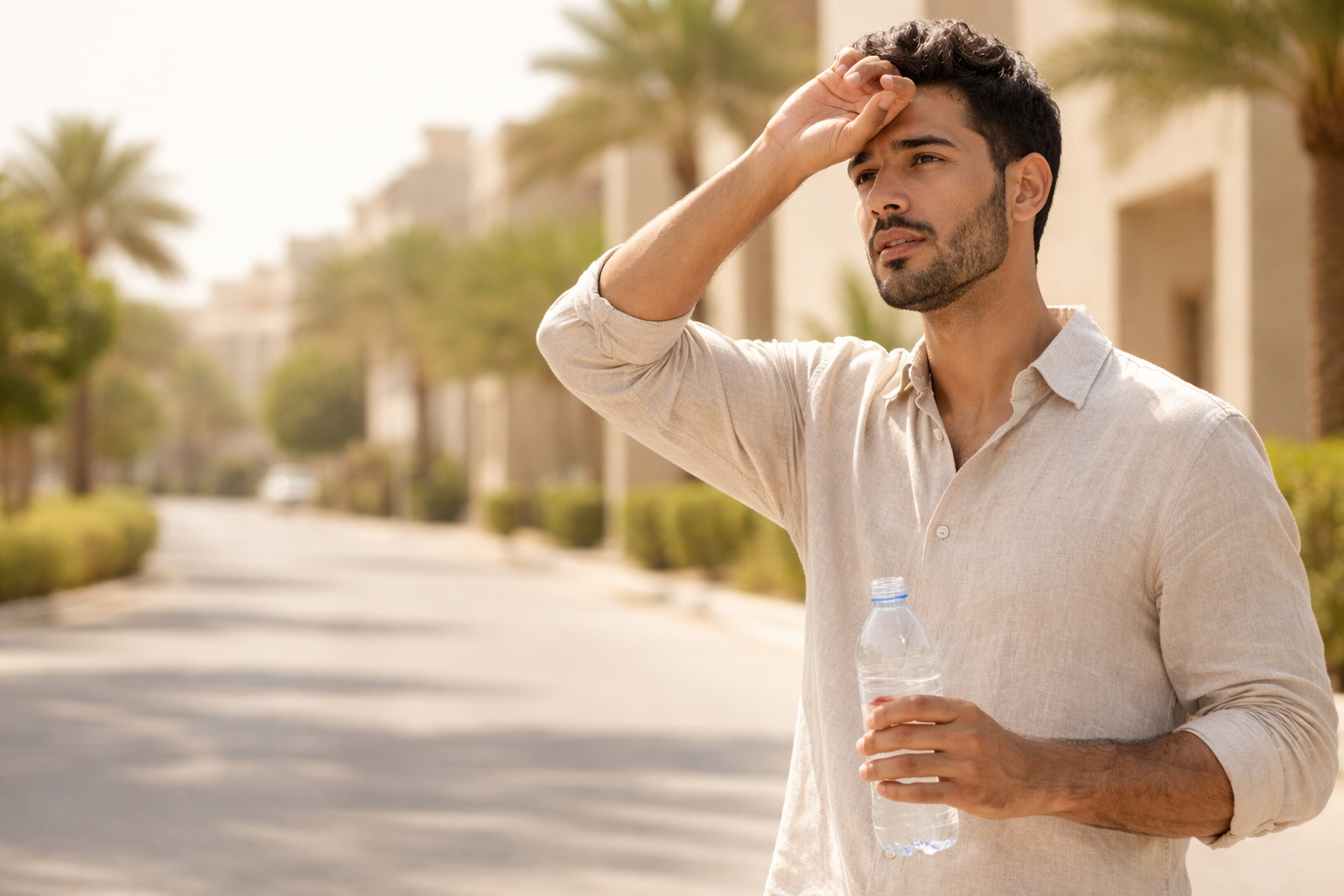
Hot Weather and Hidden Dehydration Risks
As summer temperatures soar, our bodies become more vulnerable to losing essential fluids. Dehydration isn’t just about feeling thirsty; it can strain your heart, brain, and muscles, and if left unchecked, may escalate to serious conditions like heat exhaustion or heat stroke.
In this article, we’ll guide you through the early and advanced warning signs of dehydration, highlight who’s most at risk, and share practical tips to stay hydrated and protect your health all summer long.
What Is Dehydration?
Dehydration happens when the body expels more fluids than it absorbs. Water is not just a drink; it is essential for maintaining blood circulation, regulating body temperature, and supporting the function of all vital organs. When fluid levels drop, the body’s ability to perform daily tasks begins to decline.
As dehydration progresses, blood volume decreases, forcing the heart to work harder to pump oxygen and nutrients to tissues. The balance of essential minerals and electrolytes, such as sodium and potassium, also becomes disrupted, affecting muscle and nerve function and leading to fatigue and dizziness.
Early Signs of Dehydration
The body usually sends subtle warning signals when fluid levels begin to drop. Recognizing these signs early allows you to replenish fluids and prevent complications. Common early symptoms include:
- Persistent thirst.
- Dry mouth and lips.
- Dark-colored urine or reduced urination.
- Fatigue and low energy.
- Mild headache or dizziness.
At this stage, simply drinking water is often enough to restore balance and prevent the condition from worsening.
Symptoms of Severe Dehydration
If fluid loss continues without proper replacement, symptoms can become more serious. Severe dehydration affects circulation, brain function, and the body’s ability to regulate temperature. Advanced signs may include:
- Rapid heartbeat.
- Low blood pressure.
- Confusion or irritability.
- Extreme weakness.
- Little or no urination.
- Fainting.
At this stage, the body’s ability to cool itself decreases, increasing the risk of heat exhaustion or heatstroke.
Who Is Most at Risk During Summer?
Although anyone can become dehydrated, certain groups are more vulnerable, especially in hot weather:
- Children: Their bodies contain a higher percentage of water, and they may not recognize thirst signals clearly.
- Older adults: The sense of thirst tends to decline with age.
- Athletes and outdoor workers: They lose large amounts of fluid through sweating.
- Individuals living with long-term illnesses like diabetes or kidney disorders.
Dehydration vs. Heat Exhaustion vs. Heatstroke
Heat-related illnesses often begin with dehydration and can progress to more dangerous conditions if not addressed quickly:
- Dehydration: The earliest stage, marked by thirst, fatigue, and reduced urination.
- Heat exhaustion: Occurs when the body loses excessive water and salts through sweating. Symptoms include heavy sweating, dizziness, nausea, headache, and cool, clammy skin.
- Heatstroke: The most serious stage, where body temperature rises to dangerous levels. It may be accompanied by confusion, loss of consciousness, and require immediate medical attention.
Optimal Water Intake for Hot Summer Days
There is no single fluid intake amount that suits everyone. Hydration needs vary depending on factors such as temperature, physical activity level, and body weight.
In hot weather, fluid needs increase due to continuous sweating. It is recommended to drink water regularly throughout the day, not only when you feel thirsty, as thirst is often a late sign of dehydration.
Urine color can serve as a quick indicator of hydration status: pale yellow usually suggests adequate hydration, while darker urine signals the need to drink more fluids.
How to Protect Yourself from Dehydration in Hot Weather?
Preventing dehydration is possible by following simple daily habits:
- Drink water consistently throughout the day.
- Increase fluid intake during exercise or outdoor work.
- Avoid being in direct sunlight during peak heat hours.
- Wear lightweight, breathable clothing.
- Include foods high in water content, like fruits and vegetables, in your diet.
- Replace lost electrolytes after heavy sweating.
- Limit beverages containing caffeine, as they may increase fluid loss.
When Should You Seek Medical Attention?
Most mild cases of dehydration can be managed with rest and increased fluid intake. However, medical help should be sought immediately if any of the following symptoms occur:
- Continuous vomiting or difficulty retaining liquids in the body.
- Heat exhaustion symptoms last longer than one hour.
- Confusion or fainting.
- Prolonged lack of urination.
Final Thoughts
Dehydration is one of the most common health problems people face during the summer, but it is also one of the easiest to prevent. By paying attention to early symptoms, drinking water regularly, and maintaining proper hydration, you can stop dehydration from progressing into more serious conditions such as heat exhaustion or heatstroke.
Maintaining a balanced diet and a healthy lifestyle also helps replenish the fluids and minerals lost in hot weather, keeping your energy levels stable and your body functioning properly throughout the summer.
If you want to stay fully prepared during hot weather, get a personalized summer nutrition and lifestyle plan through the iDoc app, with expert guidance to help you prevent dehydration and its complications.