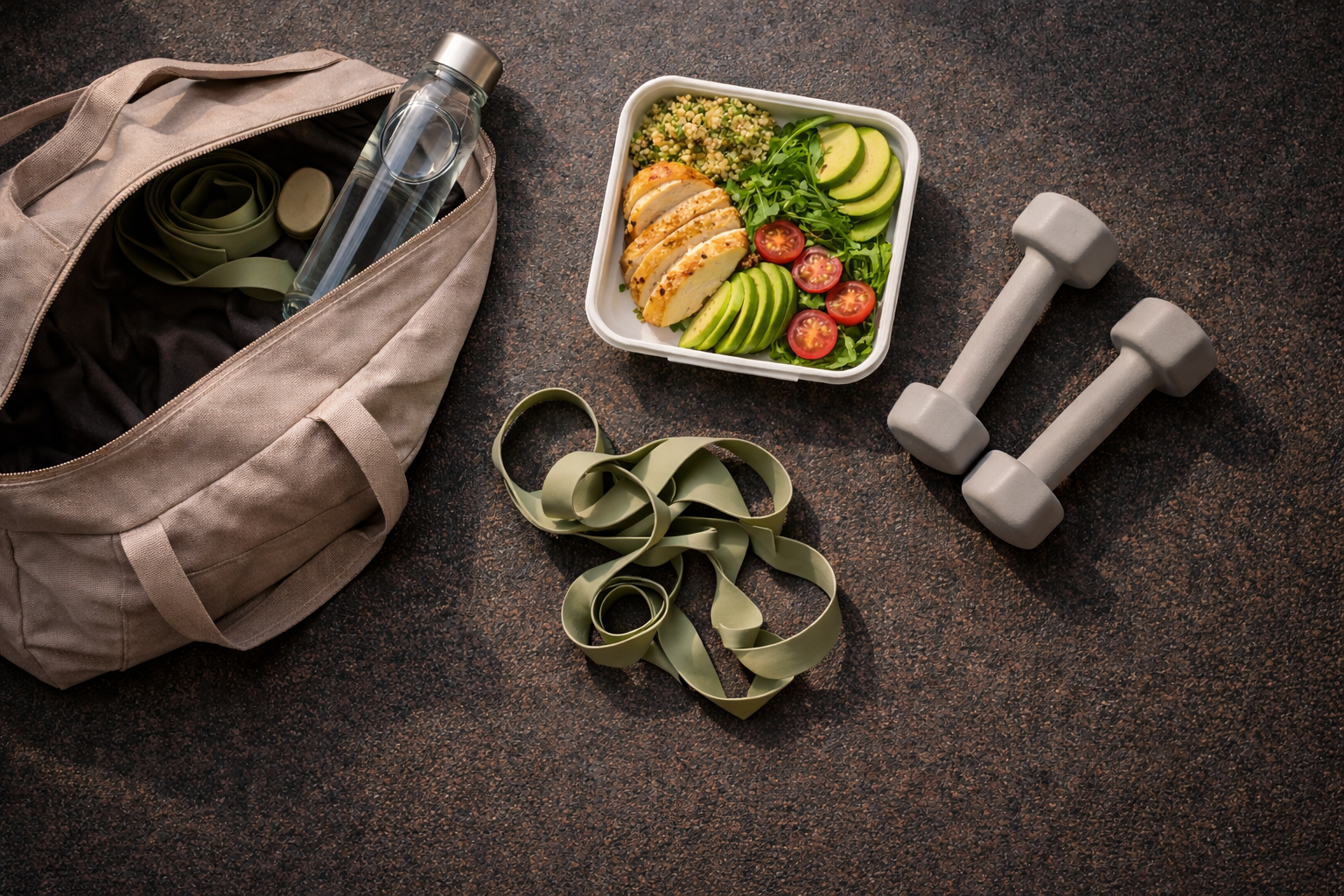
How to Lose Weight Without Harming Your Health
Many people aim to lose weight and achieve a better body shape, but this should never come at the expense of overall health. Quick or extreme methods may lead to serious health problems.
The real goal is not just lowering the number on the scale, but improving your overall health and maintaining results long-term.
Why Do You Want to Lose Weight?
Ask yourself:
Is it for better health? Preventing disease? Improving your appearance?
Understanding your motivation helps you stay committed, especially during challenges. Even losing 5% of body weight can improve blood pressure, blood sugar, and cholesterol levels.
Avoid Extreme Restriction
Sustainable weight loss requires balance, not deprivation. Strict dieting often leads to failure and weight regain. Instead, focus on flexible, realistic strategies.
Focus on Nutrient-Rich Foods
Rather than just cutting calories, prioritise nourishing your body. Eat:
- Fruits and vegetables
- Whole grains
- Fiber-rich foods
These help increase fullness and reduce unhealthy cravings.
Increase Protein Intake
Protein plays a critical role in healthy weight loss. It is essential for:
- Maintaining muscle.
- Increasing satiety.
- Reducing unnecessary hunger.
Limit Processed Foods and Sugar
Processed foods are high in calories and low in nutrients, so you should avoid them for better weight management. The include:
- Fast food
- Sugary drinks
- Sweets
Manage Calories Wisely
Weight loss requires a calorie deficit, but not extreme restriction. Eating too few calories can:
- Slow metabolism.
- Cause nutrient deficiencies.
Doctors generally advise not going below 1,200 calories/day without supervision.
Stay Physically Active
Exercise is essential for weight loss and maintenance. Try:
- Walking
- Cardio such as swimming, cycling, and running.
- Strength training, such as weightlifting or resistance exercises, to maintain muscle and improve metabolism.
Aim for 150 minutes of moderate activity weekly, with strength exercises twice a week.
Change Your Habits
Weight loss is not just about food and exercise; it involves behaviour change or modification.
Track Your Food and Activity
Writing down your habits increases awareness and helps identify mistakes. Therefore, writing down what you eat and what you do makes you more aware of your actions and helps you identify habits that may hinder weight loss.
You can use mobile apps that help you track your daily activity.
Improve Sleep and Reduce Stress
Poor sleep not only affects energy, but it can also:
- Increases hunger hormones
- Reduces satiety
Aim for 7–9 hours of sleep and manage stress through healthy techniques.
Progress Gradually
Rapid changes are hard to maintain, while small, consistent improvements are more effective long-term than strict diets.
Avoid Common Mistakes
Some people resort to unhealthy methods, thinking they help with rapid weight loss. However, these approaches often lead to a decline in health and weight regain after stopping them. They include:
- Skipping meals excessively.
- Relying on supplements without medical advice.
- Overtraining without preparation.
When to Seek Medical Advice
Consult a professional or a nutrition specialist before starting any plan to create personalized plan that ensures safe and effective results, especially if you have:
- Diabetes.
- High blood pressure.
- Other medical conditions.
The Bottom Line
Losing weight should never harm your health. A balanced approach that includes proper nutrition, physical activity, and healthy habits is the key to long-term success.
If you want to lose weight while preserving muscle and improving your health, start today with a personalized plan through the iDoc app for sustainable and lasting results.