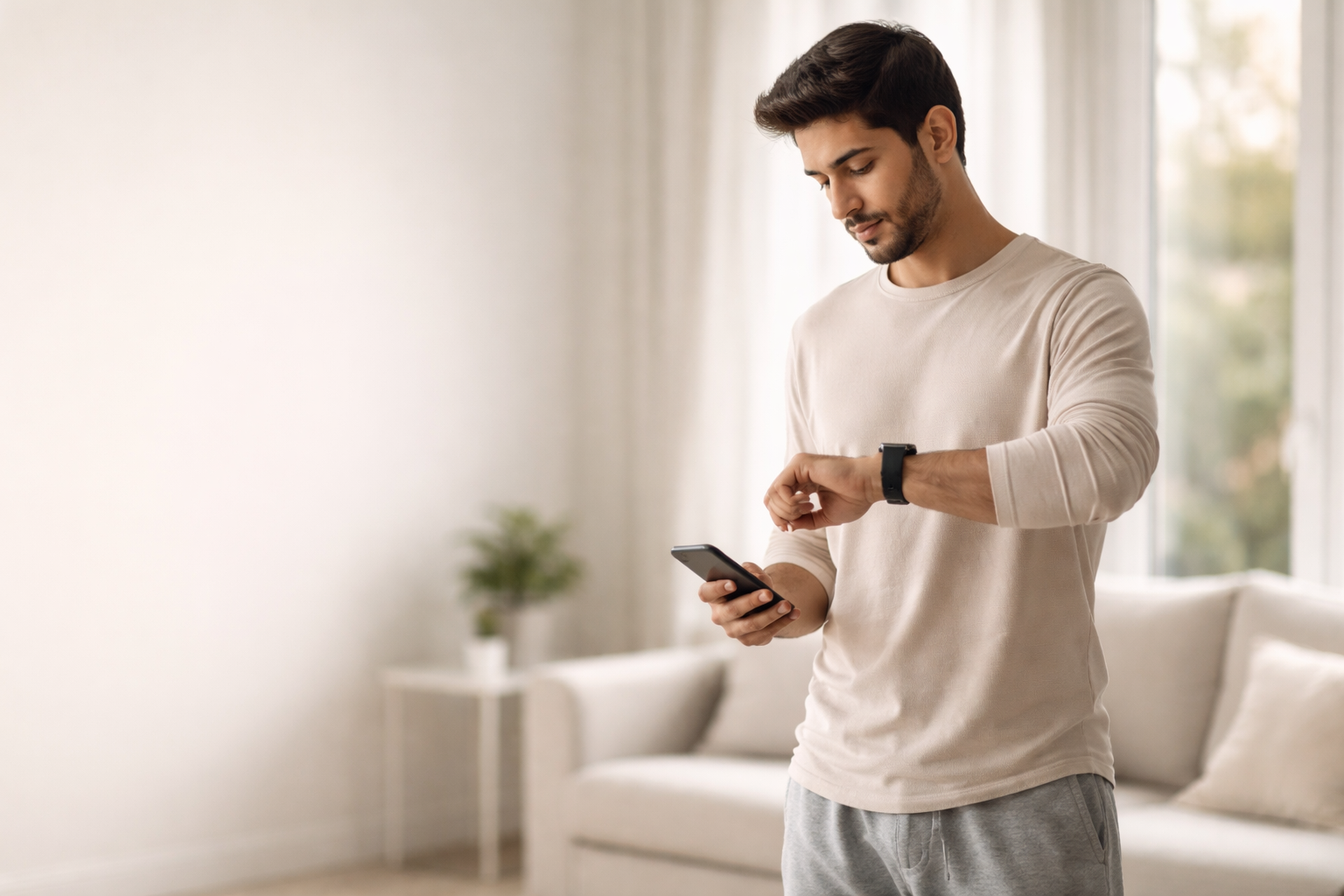
Your Health Is Not a Luxury: How to Intelligently Track Your Body
We are facing numerous risks, and it is no longer feasible to defer health priorities. Tracking your physical activity, nutrition, sleep patterns, and test results can improve your understanding of your body and its needs. It can help you take control of your life, reduce stress, increase your energy, and prevent disease.
Health records based on memory or paper records have been used for many years. Now, some tools help you consolidate all information in one place to support better decision-making and a better quality of life.
Why is self-monitoring important?
In the past, it was difficult to organize all accumulated information, such as medical reports, prescriptions, and vaccination records. Personal Health Records (PHRs) allow you to easily gather all your information, such as medical history, medications, and test results, in one file. You may also share this information with a family member or your physician.
Preparation of these records may take some effort to set up, but it will save a lot of time and energy in the future.
The advantages of these records are not limited to storage. They also can help to:
- Coordinate treatment with several doctors.
- Have easy access to this information in case of emergencies or while traveling.
Smart steps to track your health without equipment
You don’t need to use complex medical equipment to track your health. In fact, using simple equipment can be more effective when used regularly.
Creating a food journal
Food journaling helps increase awareness and identify patterns. This is one of the easiest ways to understand and identify your food habits. This does not involve counting calories, but writing down the food and drinks consumed throughout the day.
When you record consumed foods and drinks, you might discover new insights of your food habits that were previously unconscious, such as:
- Eating due to stress.
- Lack of appetite due to exhaustion.
- Overeating at night.
Food journaling helps to:
- Understand your meal size.
- Be more aware of your food quantities.
- Identify emotional eating.
- Control weight.
You can also note down how you feel before and after meals to see if there is a correlation between food, mood, and digestive health.
Smart health-tracking apps
Health apps have become part of our lives with the spread of smartphones. However, the selection of the app depends on your personal requirements.
General health apps
These apps help you track your nutrition, calorie consumption, physical activity, sleep patterns, and mental health.
They are commonly compatible with smartwatches, helping you monitor your physical activity, heart rate, and sleep patterns in one place.
Health conditions-monitoring apps
These apps can remind you of your medication schedule, track blood pressure, or blood glucose levels. You can also share your reports with your doctor.
These apps are also compatible with home blood pressure monitors or smart scales, making tracking easy and accurate.
Telehealth Applications
These apps help you book online appointments or consult with your doctor without visiting a physical location. However, these apps should be used responsibly, and users should consult a doctor when needed.
How to make tracking part of your routine
There are many home devices that can be very helpful for health tracking, including:
Activity Trackers
They include Smart watches and fitness devices that can be useful for tracking:
- Step count.
- Calories burned.
- Heart rate.
- Quality of sleep.
Ensure the device is comfortable, reliable, easy to use, and has a long battery life.
Blood pressure monitoring
A home blood pressure monitor is a useful device, especially if you have a family history of high blood pressure or other risk factors for the condition. Regular measurements help identify blood pressure patterns over time.
The importance of monitoring before a doctor’s visit
Medical checkups can become more effective when you monitor your indicators and lifestyle. Your doctor can review your blood pressure and glucose levels over time rather than on a single day, which helps them understand your condition more accurately.
Smart weight management and daily habits
Sleep
Sleep is not a luxury; rather, it is a necessity for health. Prolonged sleep deprivation can lead to heart disease, diabetes, and obesity.
Adults require 7 to 9 hours of sleep every day to support immunity, regulate mood, and enhance their cognitive performance. Your sleep can be monitored through the use of various applications and devices.
Conscious and regular weight management
Weight management is not about eating less and starving yourself. Instead, it is to maintain a balance between the consumed and lost energy.
A weight reduction of 5 to 10% can lead to better blood pressure, cholesterol levels, and blood sugar levels.
Stress Management
Chronic stress can affect blood pressure, sleep, blood sugar, and weight. Stress can be managed through simple techniques like meditation, deep breathing, spending time with family, and journaling.
When Should You Be Concerned?
Your body finds ways to communicate with you through some signs and symptoms, like tiredness, changes in weight, blood pressure, and sleep.
Regular monitoring of your body helps you differentiate between temporary changes and changes that may require medical attention.
Finally
Every decision you make today determines your future. Maintaining your health does not require complicated preparation. You can do it with simple tools that help you understand your body, even if it is just a food journal and a blood pressure monitor. Every step you take towards your health gives you greater control over your life and decisions.
To enhance this awareness in a practical way, use the iDoc devices to evaluate your vital signs and monitor your health in the app.