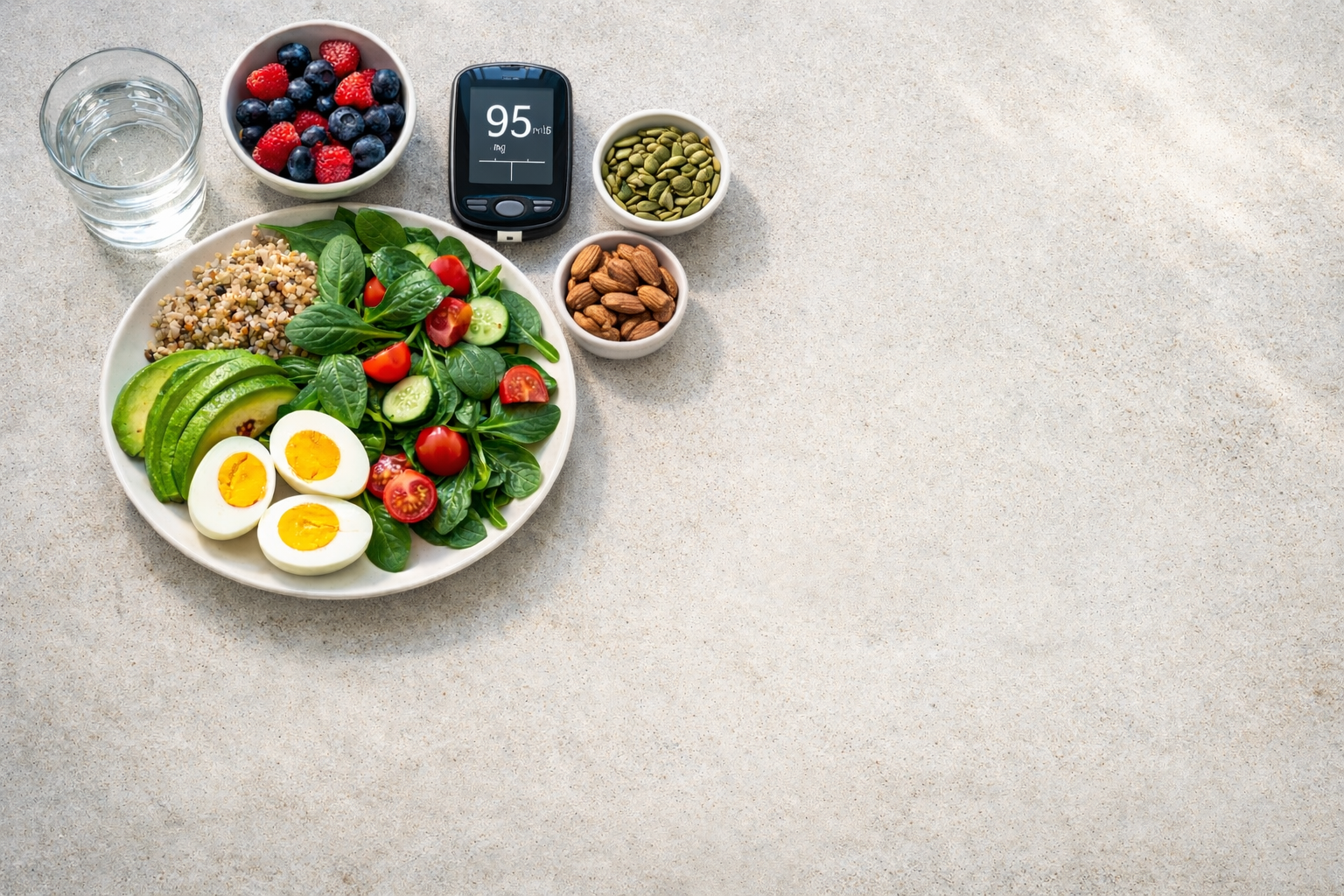
How Does Diet Help Regulate Blood Sugar?
A diabetic patient’s food is not just fuel for the body. In fact, the level of blood sugar is greatly affected by the diet, which can also influence the health of the heart and body weight. Therefore, diabetics do not require a special diet, but rather, a healthy diet that consists of a balanced, nutrient-rich diet, along with the regulation of the frequency of food consumption.
When the number of calories and carbohydrates increases, the level of blood sugar also increases. If it continues to increase, the kidneys, the heart, and the nerves can be damaged. Therefore, it is important to seek a dietitian’s advice for a diet that meets your body’s needs.
Importance of meal planning for a diabetic patient
Weight loss, particularly for people with type 2 diabetes, can help manage blood sugar levels and decrease the risk factors for heart disease. A diabetic diet should:
- Manage body weight.
- Manage blood sugar levels.
- Control the risk factors for heart disease.
It is important to eat at regular times to help the body use insulin properly, whether the body makes insulin or needs to take it. Skipping meals can cause unstable blood sugar levels, while excessive intake can increase them and cause weight gain.
A healthy diet for diabetic people should include:
- Fruits and vegetables.
- Whole grains.
- Lean proteins.
- Fiber.
- Healthy fats.
It should also include foods that are low in saturated and hydrogenated fats, sodium, and sugars to promote good health.
How does the food type affect the glucose level?
The different types of foods that people consume can affect the level of glucose differently.
Carbohydrates
Carbohydrates are broken down to produce glucose after digestion. However, not all carbohydrates can increase the level of glucose to the same extent. Healthy carbohydrates include:
- Fruits.
- Vegetables.
- Whole grains.
- Legumes.
- Low-fat dairy products.
Unhealthy carbohydrates, such as foods containing too much sugar, salt, and starch, should be avoided. Track carbohydrate intake at every meal to keep the level of glucose steady.
Fiber
Plant-based dietary fibers can slow the rate of digestion and control the level of blood glucose. A daily intake of 25 to 30 grams of dietary fibers is recommended, and can be obtained from:
- Vegetables.
- Whole fruits.
- Nuts.
- Legumes.
- Whole grains.
Protein
Protein decreases the rate of digestion, thereby controlling the level of glucose. It can also increase the level of fullness and build muscles. Healthy sources of protein include:
- Fish, such as fatty fish, salmon, and sardines.
- Lean poultry.
- Legumes.
- Tofu.
- Eggs.
- Seafood.
- Lean poultry.
Healthy Fats
Monounsaturated and polyunsaturated fats are good for lowering cholesterol and protecting heart health. Nevertheless, they should be consumed in moderation due to their high calorie content. It includes:
- Avocados
- Nuts and seeds
- Olive, canola and peanut oils.
Best foods to regulate blood sugar naturally
Many foods can naturally regulate blood sugar levels, such as:
- Broccoli and broccoli sprouts ( improve insulin sensitivity).
- Fatty fish (improves blood sugar control after meals).
- Pumpkin and pumpkin seeds (lower blood sugar levels after a meal).
- Nuts (lower blood sugar levels, both after a meal and during the fasting period).
- Flaxseeds (improve HbA1c levels).
- Beans and lentils (have high amounts of resistant starch and soluble fiber).
- Chia seeds (improve insulin sensitivity).
- Leafy greens and vegetables (contain antioxidants that lower blood sugar levels).
- Berries (improve insulin response).
- Avocados (improve metabolism).
- Oats (lower HbA1c and blood sugar levels during the fasting period).
- Citrus fruits (a low to moderate GI).
- Eggs (improve blood sugar levels during the fasting period).
Drinking water before meals also lowers calorie intake and increases metabolic rate.
Glycemic Index
The glycemic index ranks foods on the basis of their influence on blood sugar levels:
- Low: Results in a slight increase in blood sugar, such as sweet potatoes, oats, fruits, and non-starchy vegetables.
- Medium: Has a moderate effect on blood sugar, such as whole wheat and brown rice.
- High: Results in a sudden increase in blood sugar, such as white rice, white bread, and potatoes.
Blood sugar stability can be achieved by balancing the high glycemic index foods with low or medium-GI foods.
The DASH diet and blood sugar
The DASH diet consists of vegetables, fruits, whole grains, lean proteins, and dairy products, with a reduction in saturated fats and sugars.
Although the DASH diet was created to help individuals maintain healthy blood pressure, it can also support blood sugar level stability.
Practical strategies to build a balanced plate
You can plan your meals using the following strategies:
The Plate method
Your plate should consist of:
- Half of the plate: non-starchy vegetables.
- One-fourth of the plate: lean protein.
- One-fourth of the plate: carbohydrates, either starchy vegetables or whole grains.
- Add some healthy fats to your meal.
- Add some fruit and dairy with water and unsweetened beverages.
Carbohydrate counting
Carbohydrates have a direct effect on blood glucose levels. Therefore, it is recommended to count the carbohydrates you consume during each meal. One serving of carbohydrates should have between 12 and 15 grams.
You may contact a dietician to know how to calculate the portion of carbohydrates and read the label.
Sample one-day meal plan
This plan consists of approximately 1200-1600 calories, and it includes:
- Breakfast: Oat cereal with 1% milk, whole wheat bread with jam and fruit, and coffee
- Lunch: Grilled beef with whole wheat bread, apple, and water
- Dinner: Baked potato, salmon, carrots, green beans, bread, and unsweetened tea.
- Snack: Popcorn.
Which foods should be limited or avoided?
You should limit or avoid the following foods:
- Saturated fats: Butter, full-fat dairy products, and fatty meats.
- Hydrogenated fats: Processed foods and baked goods.
- Cholesterol: Full-fat dairy products and organ meats (daily intake of 200 mg).
- Sodium: Less than 2300 mg per day or less, according to your doctor’s instructions.
- Sugary drinks: Soda drinks and energy drinks.
- Refined carbs: White bread and sweets.
- Alcohol: May raise or lower blood sugar levels.
How to read food labels smartly?
You can follow the following steps to read food labels smartly:
- Check the serving size.
- Check the total carbs.
- Evaluate the fiber content.
- Check the amount of added sugars.
- Select the healthy fats.
- Check the amount of sodium.
How Does Lifestyle Affect Blood Sugar Balance?
Blood sugar levels can be affected in the following ways:
- Stress: This can lead to the production of cortisol and elevated blood sugar levels.
- Sleep: Less than 7 hours of sleep can lead to increased appetite and blood pressure.
- Exercise: Regular exercise can lead to better insulin levels and weight management. The combination of nutrition and exercise can produce better results.
How to Consume Sugar Safely?
It is safe for diabetic people to consume small amounts of sugar. This is done by including the amount of sugar in the total amount of carbohydrates to achieve substitution rather than addition.
It is also recommended to adjust medications and monitor blood sugar levels when needed.
Artificial sweeteners may contain carbohydrates that can lead to increased levels of glucose. Overuse can lead to gastrointestinal upsets.
Conclusion
Diet plays an essential role in blood sugar control. An effective and healthy diet must include non-processed foods with monitoring carbohydrates and increasing fiber, while limiting unhealthy fats and salt, and eating at regular times. To achieve this, consistency without deprivation is needed, and consulting a dietician to ensure a balanced and effective plan.
To better monitor your health, use the iDoc devices to evaluate your vital signs and monitor your health in the app.