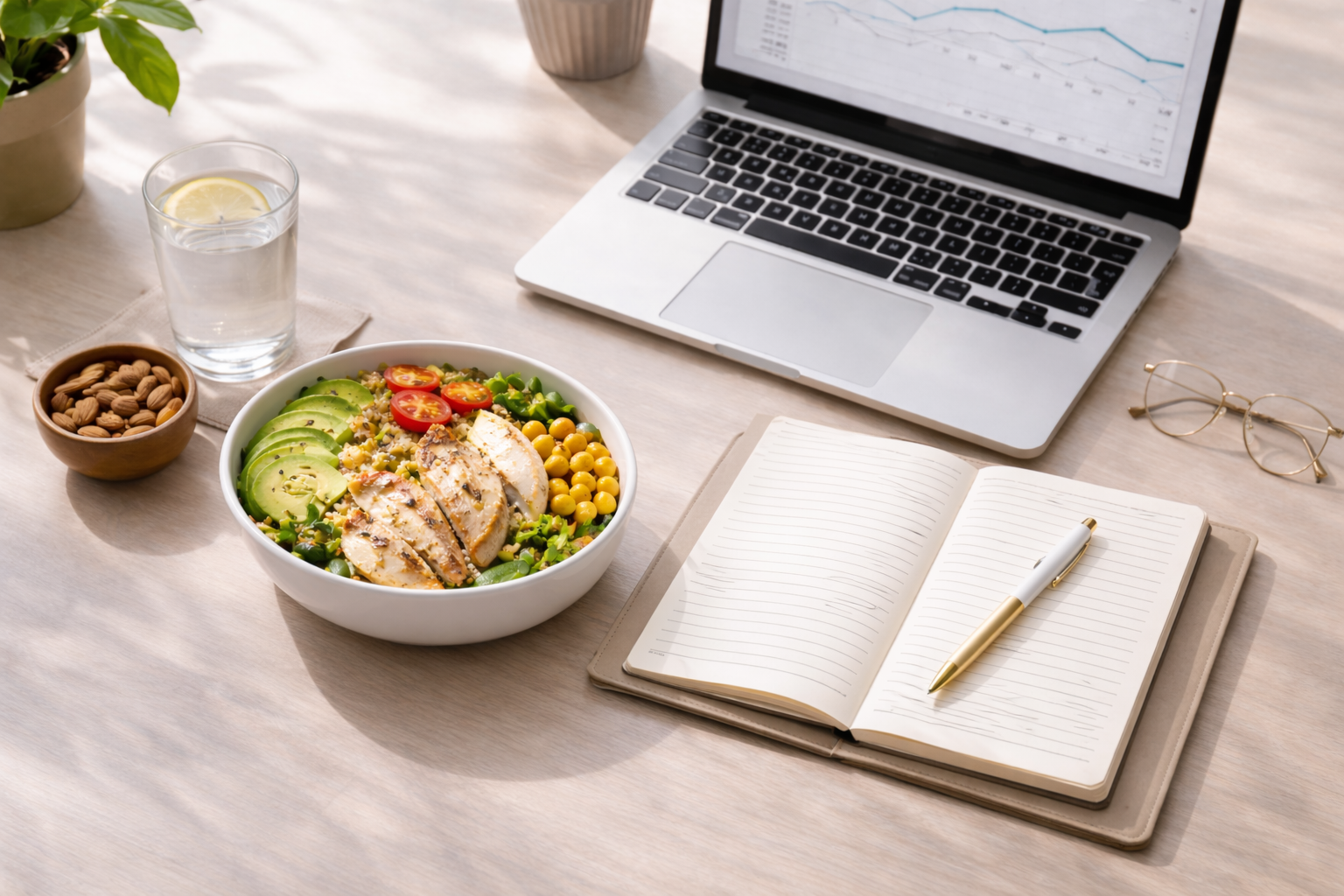
How to Stick to Your Healthy Routine Despite a Busy Schedule?
Living a healthy lifestyle with a regular dietary habit is not an easy task with the rapid flow of life, work, family obligations, and other activities. This often leads individuals to consume quick meals like fast food, which is rich in salt, sugar, and fats. However, preparing a healthy meal is not a difficult task; it is only a matter of planning and organizing your schedule accordingly.
Why is it hard to stick to a diet when time is limited?
Most individuals skip breakfast and rely on caffeine, eat at night or select quick foods, especially with modern work schedules and the long hours that extend from 9 to 5 or beyond.
Such a lifestyle may cause:
- Sudden energy loss after sugar consumption.
- Lack of concentration and productivity.
- Stress.
- Weak immunity.
- Blood sugar imbalance.
Malnutrition not only affects weight but also impacts mental performance, mood swings, the immune system, and overall health.
Neglecting hunger signals, overeating, or consuming too much processed food also contributes to fatigue and frustration.
At the beginning of a weight loss program, a person is usually very motivated to eat healthy foods and save a variety of recipes. However, with increasing pressures and work responsibilities, cooking becomes a burden, and the easiest option is to obtain a quick meal.
How to build a flexible meal plan that fits your schedule?
Good nutrition contributes to good health. Your meal plan should be well-organized, flexible, practical, and simple.
Choose long-lasting energy sources
Your body mainly uses carbohydrates to get energy. However, you should select complex carbohydrates that have essential nutrients, provide your body with long-lasting energy and are easily prepared, such as:
- Whole grains.
- Brown rice.
- Sweet potatoes.
You can have a slice of whole-grain bread with your salad, or brown rice with your vegetables.
Combine convenience with nutrition
Convenience is not in contradiction with healthy nutrition. Quick and healthy foods that you may prepare include:
- Tuna salad with fresh vegetables and whole-grain bread.
- Canned beans with ready rice and vegetables.
- Grilled fish or chicken with a salad.
Avoid daily decision fatigue
Deciding after a long and tiring day may be overwhelming and may lead to unhealthy foods. This can be avoided by:
- Making a list of your favourite healthy foods.
- Repeating the foods you prepare every week.
- Planning for busy days.
Use the balanced plate rule
Eating in portions on your plate helps to ensure balance without keeping count of the consumed calories. A simple model to follow is:
- Vegetables on half the plate.
- Lean proteins on one-quarter.
- Low glycemic index carbohydrates on one-quarter.
Don’t ignore hunger signals
Neglecting hunger signals makes hunger signals more intense and may lead to overeating. Hunger signals should be addressed promptly and healthy snacks should be ready to eat. These include:
- Greek yoghurt.
- Hummus with vegetables.
- Nuts and seeds.
- Fruits.
- Whole-grain crackers.
Stay hydrated
Dehydration affects memory, concentration, and energy levels. To keep yourself hydrated and focused throughout the day:
- Always carry a water bottle.
- Set reminders to drink water.
- Replace drinks like coffee and tea with water and herbal tea.
Healthy snacks that help improve focus
The problem is not snacking; rather, it is the type of snacks and their effects on the body. Healthy snacks include:
- Nuts.
- Portions of mixed nuts.
- Rice cakes and almond butter.
- Fresh fruits.
- Low-fat cheese.
Meal preparation is the secret to consistency
Meal preparation doesn’t mean cooking everything in advance. Instead, you can prepare one or two things a day to save time and energy. Alternatively, you can select one day to prepare meals and divide them into containers.
Some meal preparation ideas include:
- Cooking large quantities of soup for many days.
- Boiling eggs in advance.
- Using ready-to-eat foods like canned beans, frozen vegetables, and ready-grilled chicken.
- Soaking oats and chopping vegetables the night before.
Smart choices when eating out
When you are forced to eat outside, try to:
- Use whole-wheat bread.
- Add more vegetables to your food.
- Avoid creamy foods.
- Use grilled chicken instead of fried chicken.
- Replace French fries with salad.
- Use water instead of soda.
Organize your day to support your health
You should be aware of your weekly plan to organize a system that suits your situation. This will help you to stay consistent. You should:
- Identify your busiest days.
- Identify days when you usually skip a meal.
- Determine days when buying readymade food is the only option.
How can technology support your health journey?
Technology is a major factor that influences all aspects of life, especially health. Technology can support health in:
- Tracking the amount of nutrients.
- Preparing a list of food to buy.
- Preparing a list of recipes.
- Reducing decision fatigue.
- Setting reminders to prepare meals.
Healthy eating during work or travel
You can easily stick to your routine while at work by:
- Preparing meals for the week.
- Preparing simple meals that use one pot.
- Using readymade and frozen vegetables.
- Preparing more food to use the next day.
- Preparing lunch and snacks the previous night.
When eating out, you can:
- Eat a salad or soup before the main meal.
- Eat grilled fish and skinless chicken.
- Limit sauces.
- Split the meal instead of eating the whole meal.
- Eat fruit instead of dessert.
Make cooking enjoyable
Make cooking enjoyable and not a source of stress. Get your family involved in cooking. Alternatively, you can listen to:
- Music.
- Podcasts.
- Audiobooks.
When are meal services a practical option?
You can consider meal services if you do not like planning your meals and writing a list of the required ingredients. You can purchase meal boxes containing pre-measured ingredients and changing recipes. This will save you from food wastage and daily decision-making. However, it is expensive.
Practice mindful eating
Do not join any work during your meal times. This will enhance your feeling of fullness.
Conclusion
You can maintain healthy eating habits even when you are busy. It just needs to be pre-planned and organized according to your schedule. You can keep your diet simple, healthy, and hydrated, and listen to your hunger signals to save your energy and productivity in the long run.
Don’t let your busy schedule compromise your health, track your weight regularly, and use the iDoc devices to evaluate your vital signs and monitor your health in the app.