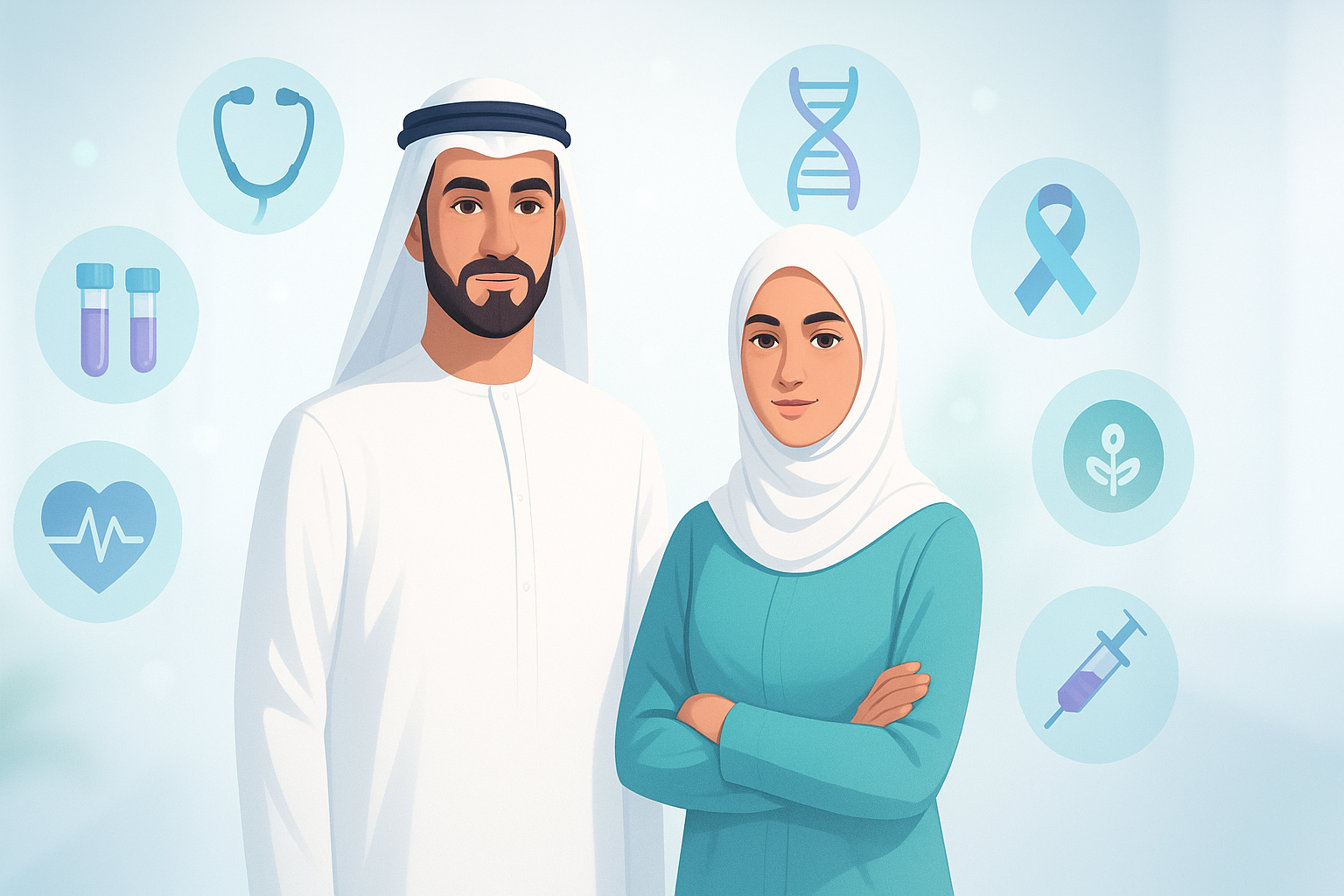
Preventive Medicine: A Roadmap Shaping Our Health
Today, everyone dreams of a healthy future free from disease. With the rise of conditions that were once rare, many wonder if such a goal is still possible and the answer is yes, thanks to preventive medicine.
Let’s explore what preventive medicine is, why it is so important, and how you can apply it to enjoy better health and a higher quality of life.
What Is Preventive Medicine?
Preventive medicine is an approach focused on avoiding illness, detecting early and silent symptoms, and treating health issues before they progress. It also helps identify genetic risks early so they can be managed appropriately.
Many people visit a doctor or undergo tests only after symptoms appear, known as diagnostic testing often due to busy schedules or the high cost of medical care.
But skipping preventive care can lead to greater health problems later, costing more time and money in treatment.
Who Needs Preventive Care?
Preventive medicine is for everyone, newborns, children, adults, and seniors although the recommended tests and screenings will vary by age, gender, medical history, and lifestyle.
The Benefits of Preventive Medicine
Taking preventive steps can:
- Reduce the risk of chronic disease
- Improve overall health and quality of life
- Save money on future treatment costs
- Raise awareness about healthy habits
- Prevent stress-related and psychological disorders
- Reduce pain and suffering
Read also: 10 Habits That Lower the Risk of Chronic Diseases
Types of Preventive Care
Preventive medicine includes a wide range of screenings and health services based on your medical history, age, and risk factors, such as:
- Blood tests: To detect issues like high cholesterol, hypertension, or diabetes conditions that can lead to heart disease and other chronic illnesses.
- Cancer screenings: Such as mammograms, colonoscopies, Pap smears, and prostate exams depending on gender and age.
It also includes counseling and education to help people lead healthier lives:
- Raising awareness about healthy lifestyle choices
- Explaining available vaccines and their importance
- Teaching patients with chronic illnesses how to manage their symptoms
- Recommending suitable supplements or medications to improve health
- Tracking child growth and development from birth
There is also occupational medicine, which focuses on protecting workers in high-risk professions, educating them about potential hazards, and creating safer work environments.
Stages of Preventive Medicine
Preventive medicine generally follows three stages:
- Primary prevention: Stopping illness before it starts (vaccines, healthy habits)
- Secondary prevention: Detecting early disease through screening and intervening early
- Tertiary prevention: Managing existing illness to avoid complications and improve quality of life
Beyond the Individual: Community-Level Prevention
Preventive health is not limited to individuals. Governments and public health systems invest in creating healthier environments by:
- Regularly testing and treating water supplies to ensure safe drinking water
- Expanding green spaces to improve air quality
- Controlling and reducing disease-carrying insects
- Designing safer roads and infrastructure to reduce accidents
- Strictly monitoring food safety and quality
- Preparing for epidemics, disasters, and public health emergencies
How to Practice Preventive Medicine at Home?
You can take simple daily steps to protect yourself and your family:
- Eat a balanced diet rich in essential nutrients
- Drink about two liters of water daily
- Stay active and exercise regularly
- Avoid smoking and alcohol
- Manage stress in healthy ways and seek solutions to challenges
- Maintain personal hygiene
The Role of Technology in Preventive Medicine
We live in a digital age where technology has transformed healthcare. With just a click, you can receive medical advice or even early diagnoses through platforms like iDoc.
Technology supports prevention through:
- AI-powered data analysis: Predicting health risks before symptoms appear
- Digital devices: Continuous monitoring of vital signs with alerts for dangerous changes (e.g., glucose sensors)
- Mobile apps: Tracking nutrition and physical activity
- Telemedicine: Access to doctors and specialists remotely
- Online health communities: Sharing information and encouraging healthy habits
Always verify the reliability of online health information and avoid misleading ads or unapproved products.
Final Note
We know you want a healthier, calmer life, even if you are short on time. Preventive medicine offers a roadmap with simple steps and routine care, you can protect your health, save time and money, and avoid future complications.
References
Acpm.org. About Preventive Medicine. Retrieved on the 16th of April 2025, from:
Pmc.ncbi.nlm.nih.gov. What is Preventive Medicine?. Retrieved on the 16th of April 2025, from:
https://pmc.ncbi.nlm.nih.gov/articles/PMC2274388
Healthline.com. What Is Preventive Health and Why Is It Important? Retrieved on the 16th of April 2025, from:
https://www.healthline.com/health/what-is-preventive-health-and-why-is-it-important
Aucmed.edu. What is Preventive Medicine? Retrieved on the 16th of April 2025, from: